
Technical Context
Guides explain the infrastructure and operating conditions that shape system choices.
COMMERCIAL SECURITY KNOWLEDGE CENTER
Use this resource center to understand camera placement, installation workflow, image detail, connectivity, specialty capture and integrated-system decisions before turning a question into a property-specific scope.
Guides explain the infrastructure and operating conditions that shape system choices.
Offices, managed properties, warehouses, retail and professional facilities remain the primary context.
Specialty capabilities are presented with geometry, environment and platform constraints.
Data Pro Communications operates under FL License #EC13016138.
PROJECT GUIDANCE
A useful security decision begins with an event or operating need. The guides below separate installation sequence from pre-installation risk, housing shape from image resolution, plate capture from general surveillance, and system selection from system fundamentals.
CAPABILITIES
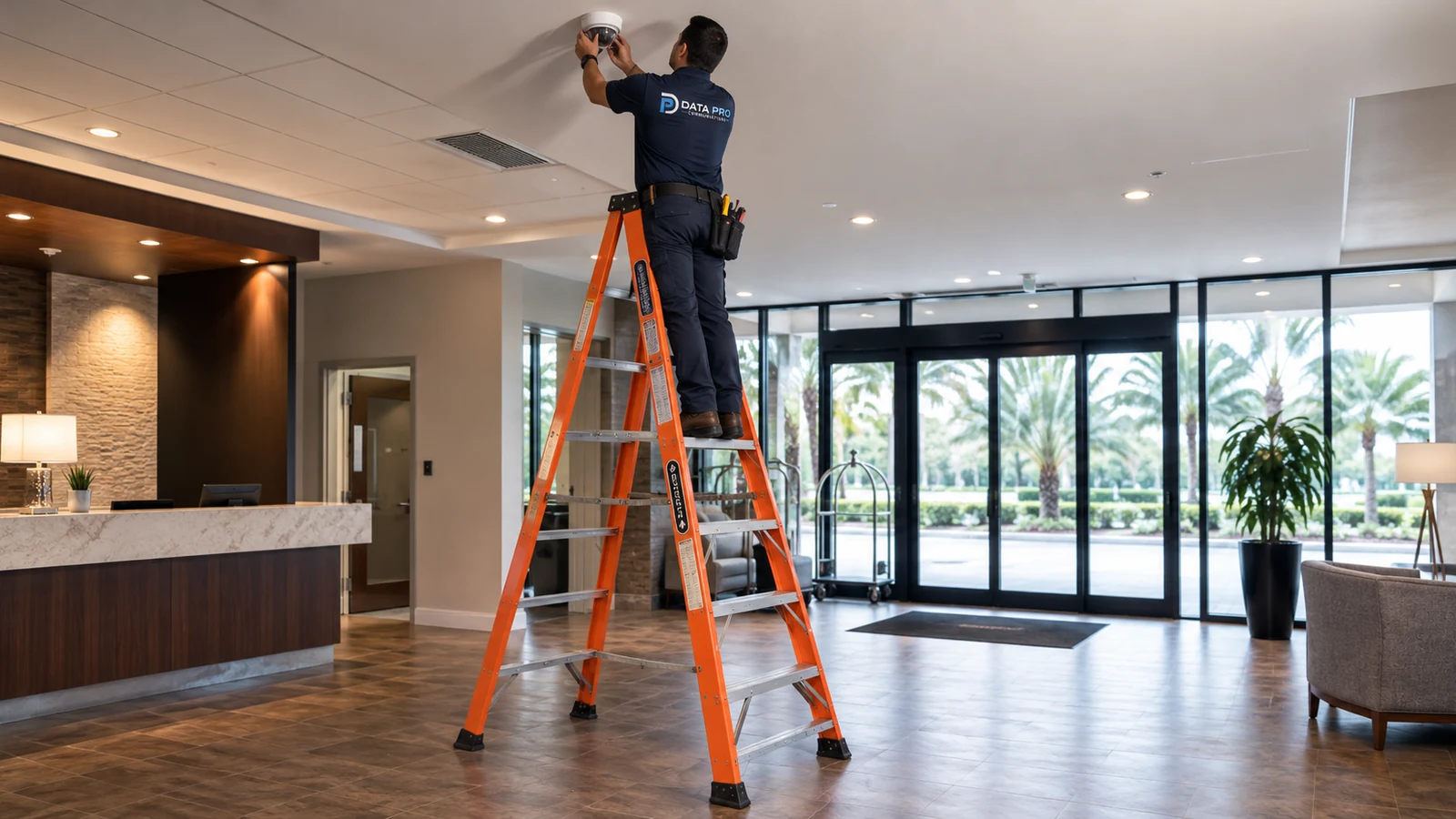
Follow the order from scene objectives and pathways through commissioning and documentation.
Read How to Install CCTV or Surveillance Cameras
Study vertical routes, upper-eave angles, equipment location and safe future access.
Read How to Install Security Cameras in a Two Story House
Compare survey quality, exclusions, infrastructure coordination, acceptance and support terms.
Read Guide to Choosing a CCTV Installer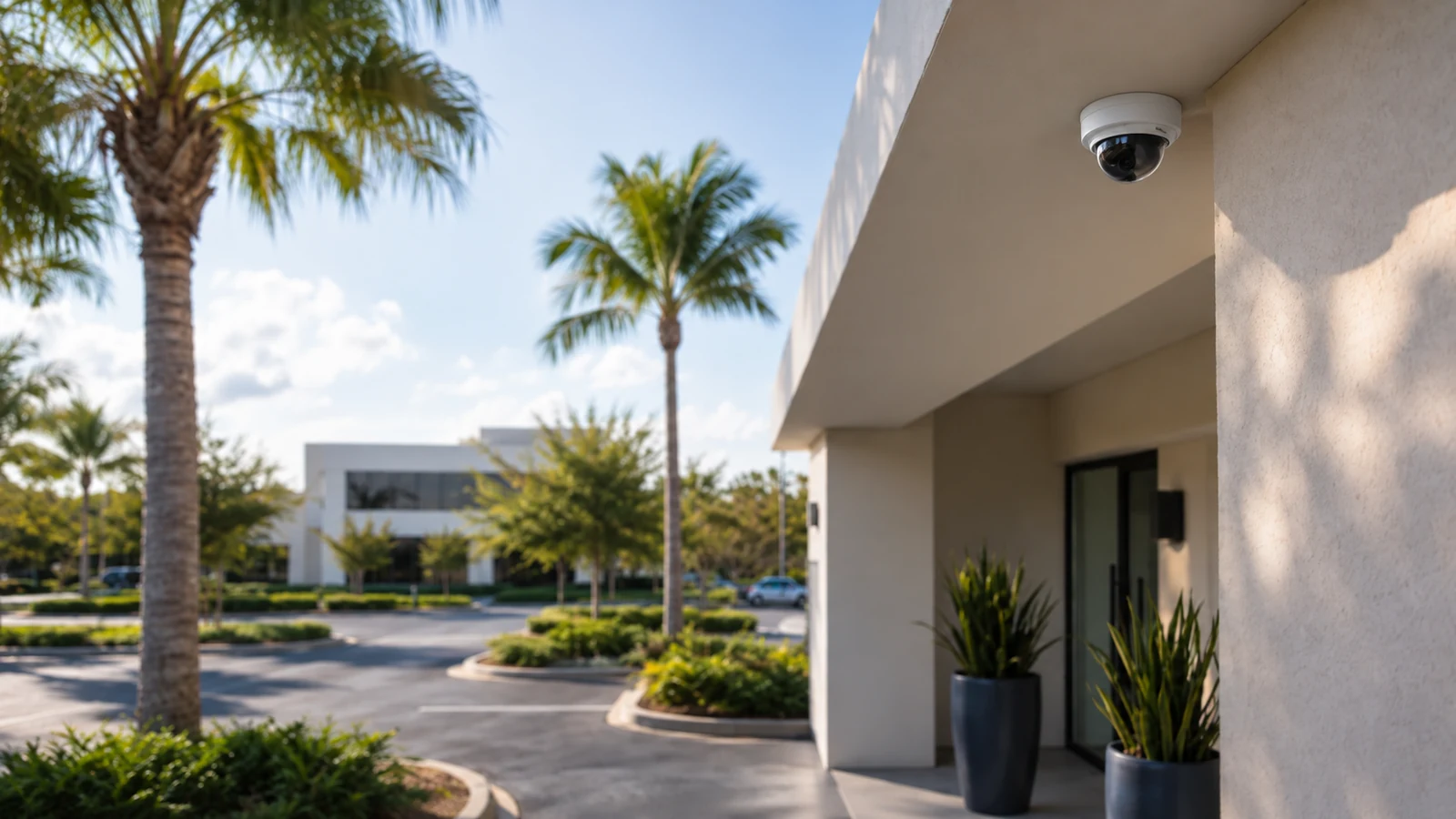
Choose a housing by direction visibility, mount, exposure, infrared behavior and service access.
Read Dome vs Bullet Cameras
Balance target detail with scene width, lens, light, bitrate, storage and recorder limits.
Read How to Select the Right Resolution for Your CCTV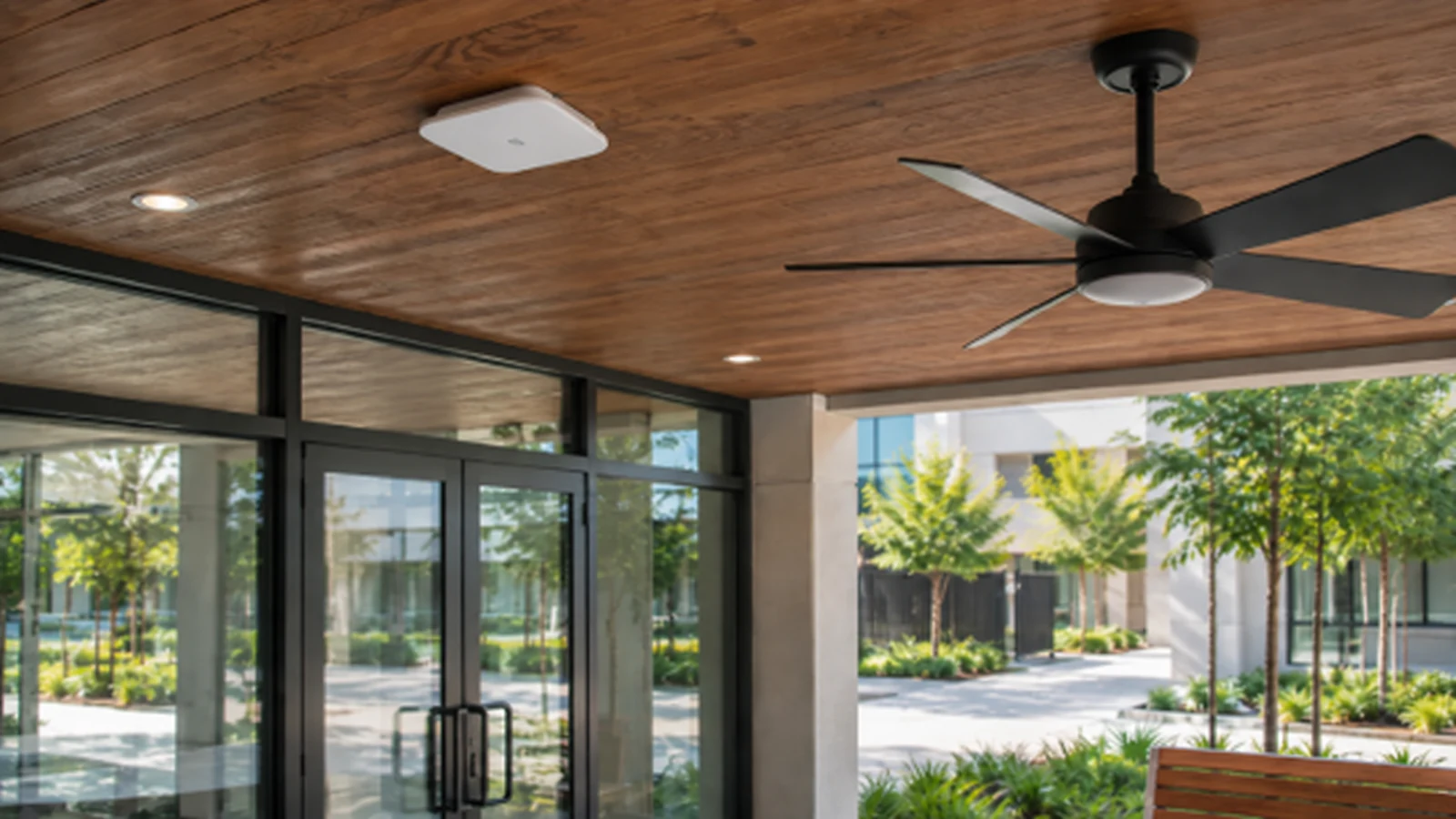
Evaluate RF coverage, airtime, power, backhaul, security and scale before choosing Wi-Fi.
Read Are Wireless Security Cameras Good?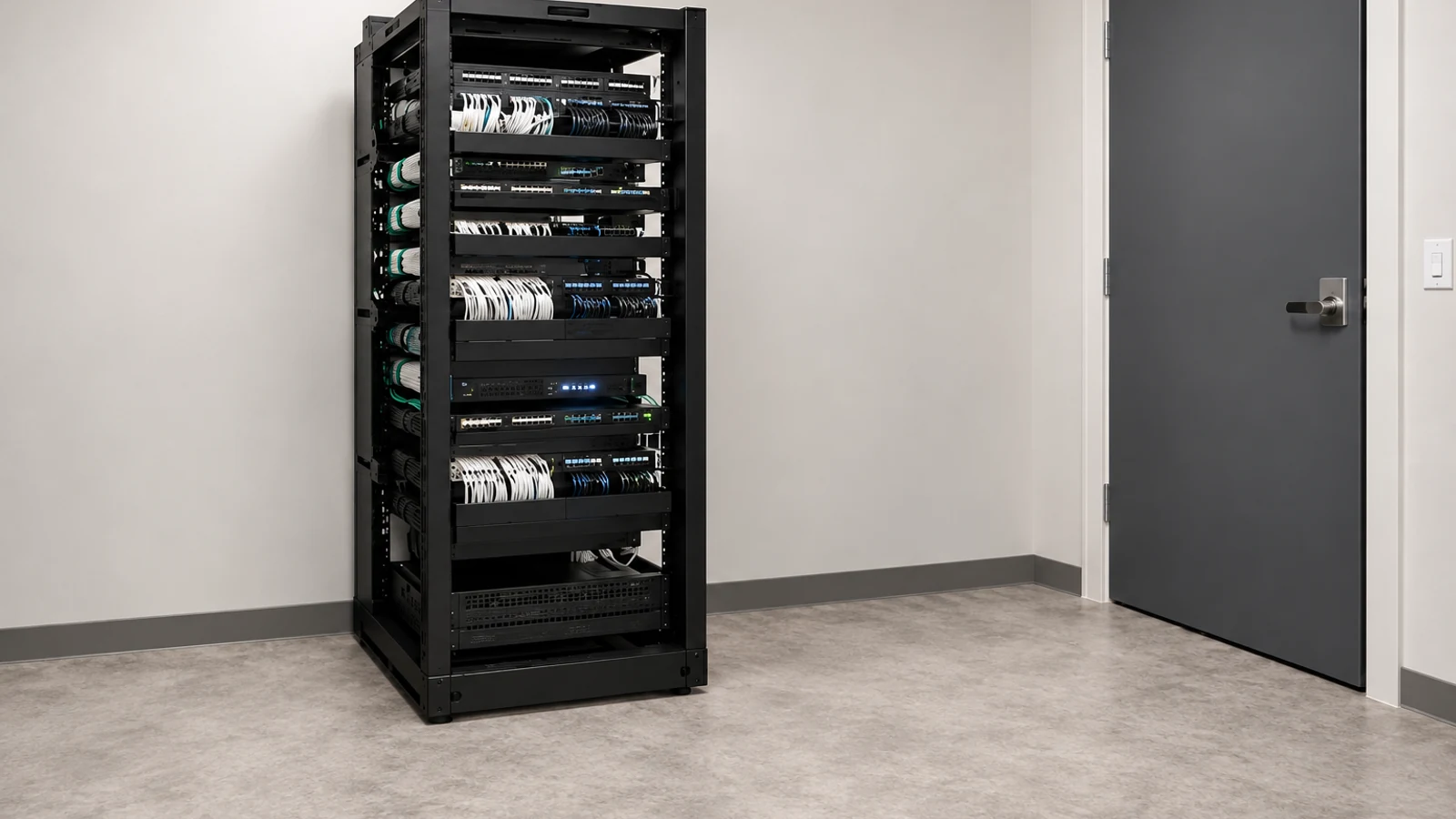
Identify privacy, glare, pathway, PoE, retention and ownership risks before the design is fixed.
Read What Issues to Consider in Installing a CCTV Camera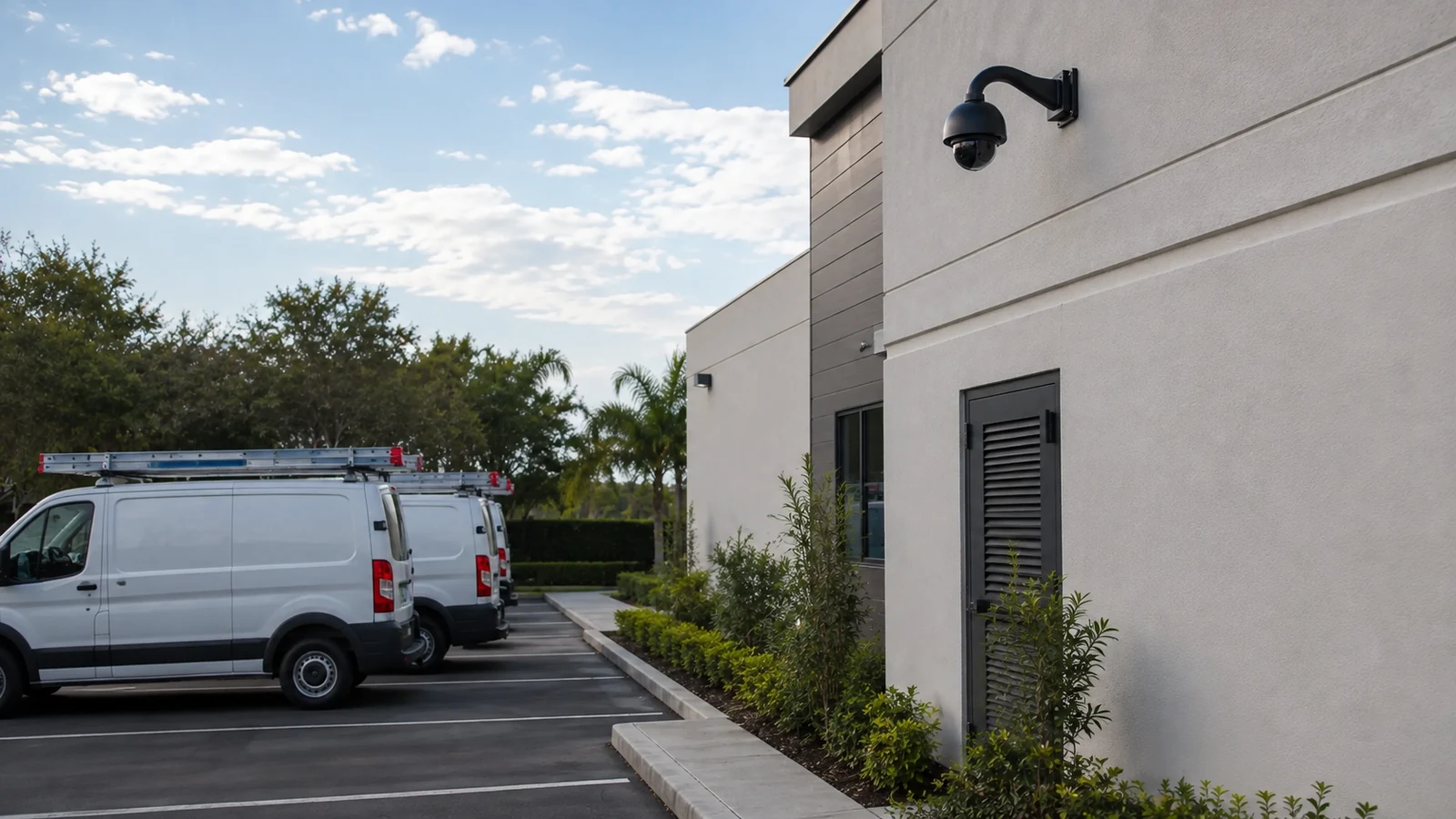
Plan a dedicated lane view around angle, distance, speed, headlights and plate-search workflow.
Read License Plate Recognition Camera
Understand tracking triggers, occlusion, preset recovery and the need for fixed overview cameras.
Read PTZ Camera Auto Track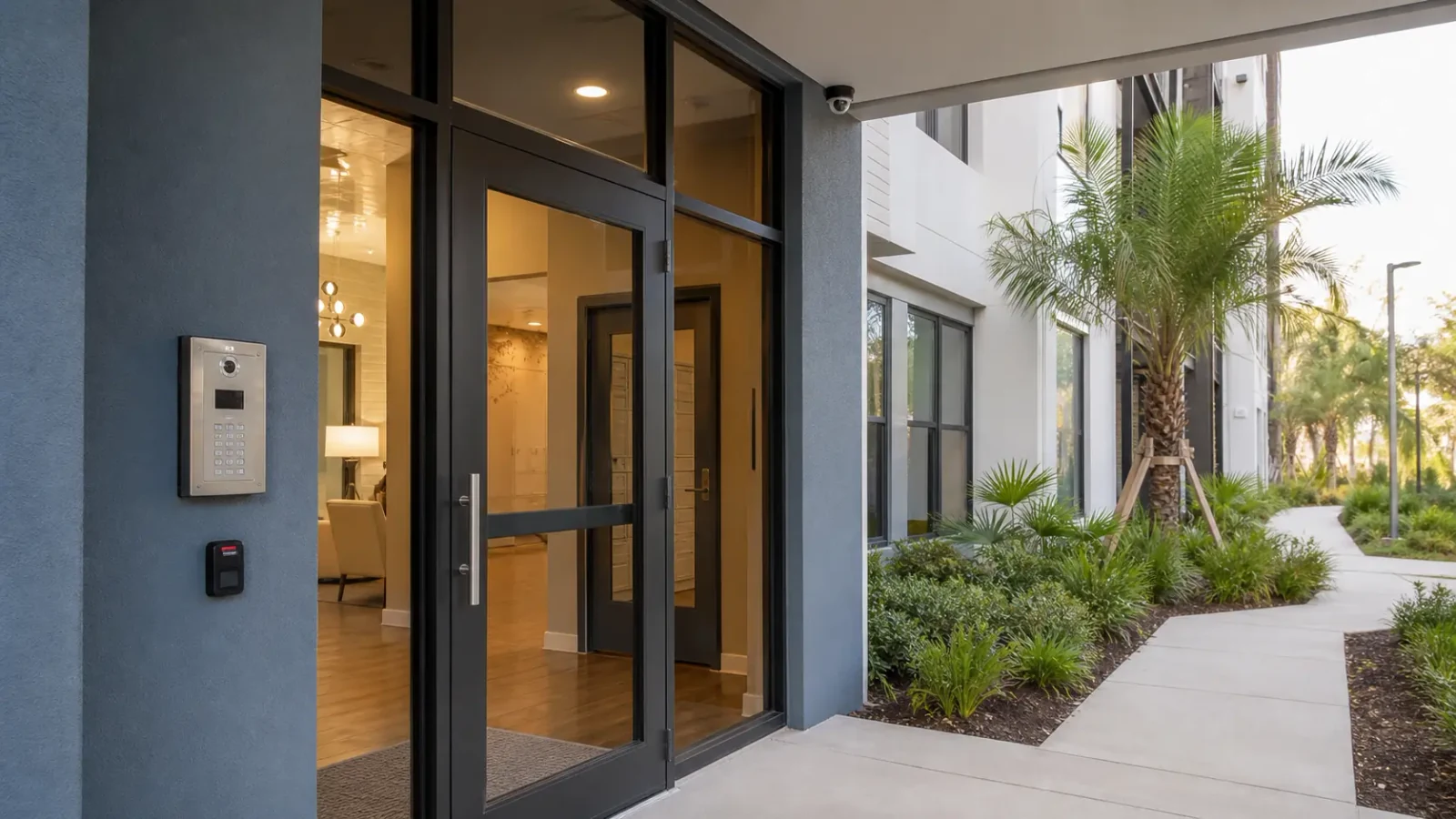
Select a coherent system mix from property risk, operating roles and lifecycle capacity.
Read Best Security System in Orlando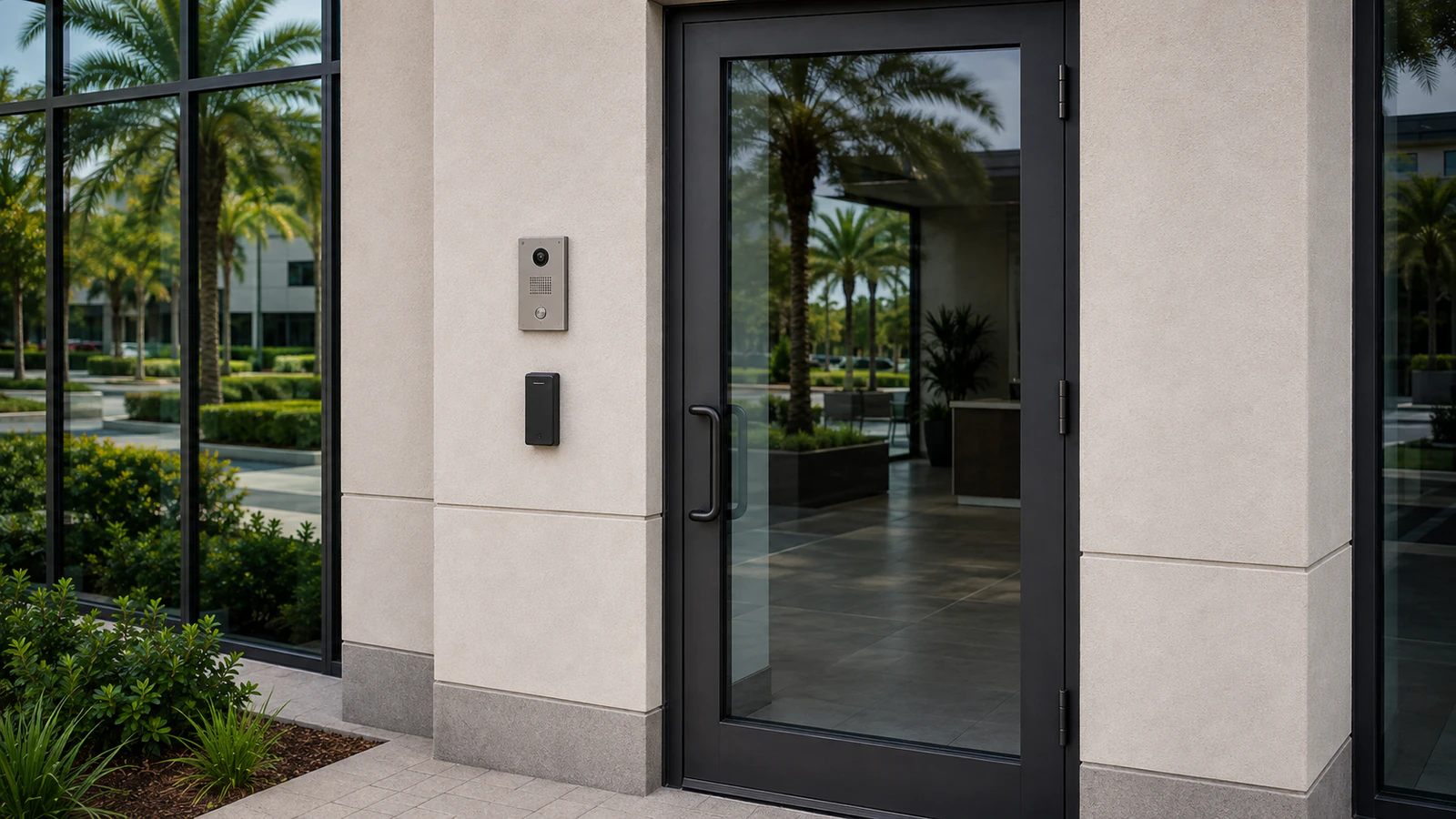
Learn how video, access, intercom, network, recording and administration perform different jobs.
Read Security SystemsPROJECT PROCESS
Start with installation workflow, two-story pathway planning or pre-installation issues.
Use the form-factor, resolution and wireless guides to isolate distinct tradeoffs.
Read the LPR and PTZ guides for dedicated capture and moving-camera limitations.
Use the system-selection framework and security-systems fundamentals together.
EAST ORLANDO CONTEXT
East Orlando properties range from occupied professional suites and retail corridors to managed communities and logistics facilities. The articles focus on verifiable scene, pathway, network and operating conditions instead of using neighborhood names as substitutes for technical guidance.
RELATED PATHS

FAQ
Begin with the event or area that must be observed, then read the installation and pre-installation planning guides before comparing equipment.
The CCTV installation workflow guide follows objectives, survey, pathways, power, mounting, commissioning and handoff.
The dome-versus-bullet guide separates housing and mounting tradeoffs from image resolution.
The CCTV resolution guide explains scene width, pixel detail, lens, lighting, bitrate, bandwidth and retention.
Yes. The wireless-camera article covers RF coverage, interference, power, backhaul, security and scale.
The LPR planning guide focuses on lane geometry, angle, speed, exposure and dedicated capture conditions.
The PTZ guide covers occlusion, target switching, presets, loss of overview and fixed-camera context.
The “best system” guide is a selection framework; the “security systems” guide explains how the component roles work together.
No. They help buyers ask better questions, while a survey verifies property-specific conditions.
No. They are informational resources with contextual paths to services when a reader is ready for implementation.
Start with the question closest to the property condition. When the variables are understood, a site survey can verify the scene, pathway and infrastructure assumptions that cannot be resolved from an article alone.