
Licensed Florida Contractor
FL License #EC13016138 identifies the contracting license presented by Data Pro Communications.
DEDICATED PLATE-CAPTURE DESIGN
A plate camera succeeds by controlling the capture zone. It needs a narrow view of a predictable vehicle path, enough plate pixels, limited horizontal and vertical angle, exposure that restrains headlights, and shutter behavior that reduces motion blur.
FL License #EC13016138 identifies the contracting license presented by Data Pro Communications.
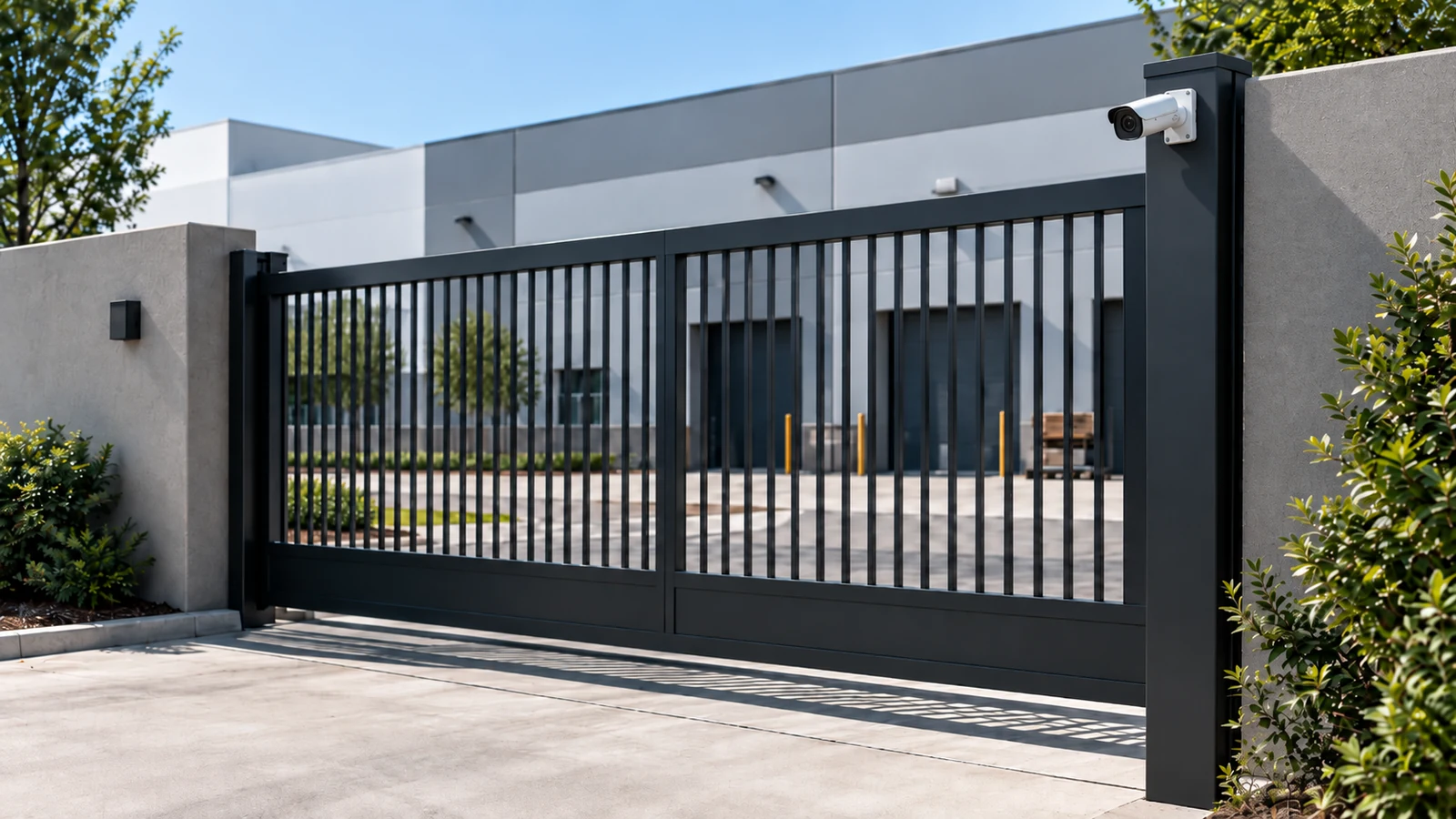
A single controlled lane gives the camera a repeatable target position and plate size.
Obstructions, dirty plates, extreme speed, weather and traffic behavior can defeat capture.
Timestamp, search, export and permitted integrations.
PROJECT GUIDANCE
Do not ask a wide parking overview camera to perform dedicated plate capture. Define the lane and expected vehicle speed, select a mounting point that keeps plates large and nearly square to the lens, and validate recorded characters in daytime, darkness and representative weather.
CAPABILITIES
A single controlled lane gives the camera a repeatable target position and plate size.
Oblique views distort characters and increase reflections; the mount should face the plate path as directly as practical.
Longer distances require narrower optics and steadier geometry to maintain plate detail.
Faster motion demands suitable shutter and light, which may reduce general scene brightness.
Dedicated LPR exposure can darken the surrounding vehicle while preserving the reflective plate.
Readable frames must be recorded, timestamped and connected to a usable search or event workflow without overstating integration capability.
EAST ORLANDO CONTEXT
Parking and service entrances in East Orlando vary from controlled gates to open multi-lane approaches. Plate capture is most defensible where traffic geometry creates a repeatable lane and the overview function remains on a separate view.
PROJECT GUIDANCE
A single controlled lane gives the camera a repeatable target position and plate size.
Oblique views distort characters and increase reflections; the mount should face the plate path as directly as practical.
Longer distances require narrower optics and steadier geometry to maintain plate detail.
Faster motion demands suitable shutter and light, which may reduce general scene brightness.
Dedicated LPR exposure can darken the surrounding vehicle while preserving the reflective plate.
Readable frames must be recorded, timestamped and connected to a usable search or event workflow without overstating integration capability.
PROPERTY APPLICATIONS
A dedicated capture camera covers the stop line while a separate overview camera records vehicle context.
Lane position and slower approach are used to maintain plate size on larger vehicles with different plate heights.
Multiple approach angles make guaranteed capture unrealistic; traffic flow or camera positions may need redesign.
PROJECT PROCESS
Show where a plate must pass for the design assumptions to remain valid.
Keep vehicle color, type and event context on a separate camera when the LPR image is tightly exposed.
Test approach direction, speed, headlights, wet pavement and night operation where relevant.
PLANNING RISKS
Obstructions, dirty plates, extreme speed, weather and traffic behavior can defeat capture.
A model needs suitable optics, exposure control and integration for the use case.
Alerts, retention and watchlists require authorized workflows and legal or organizational review.
PLANNING RISKS
Plate characters become too small or too angled.
Headlights and reflective plates can wash out characters.
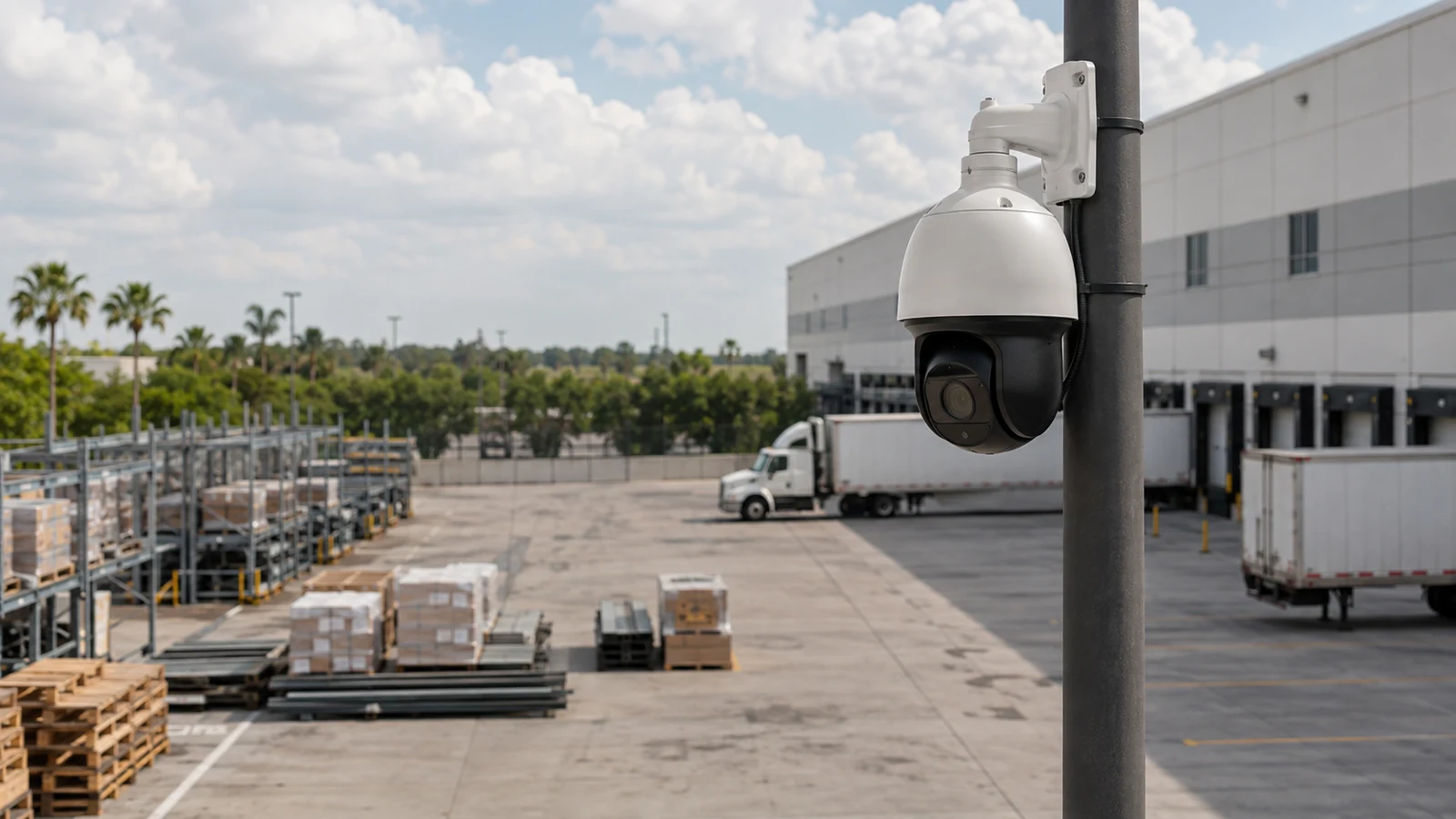
A steep downward angle may reduce plate readability.
TECHNICAL PLANNING
Known lane, direction, speed range and capture point.
Distance, angle, lens and plate pixel density.
Shutter, gain, headlights and dedicated lighting behavior.
Timestamp, search, export and permitted integrations.
PROJECT GUIDANCE
RELATED PATHS
PROJECT PROCESS
A single controlled lane gives the camera a repeatable target position and plate size.
Oblique views distort characters and increase reflections; the mount should face the plate path as directly as practical.
Known lane, direction, speed range and capture point.
Test approach direction, speed, headlights, wet pavement and night operation where relevant.
FAQ
LPR concentrates detail and exposure on a plate in a defined lane, while an overview preserves broader vehicle and site context.
Large horizontal or vertical angles distort characters, reduce effective detail and increase reflection problems.
Higher speed increases motion blur risk and may require faster shutter settings and stronger illumination.
Sometimes, but widening the scene reduces plate detail and introduces different angles; each lane must be validated rather than assumed.
Exposure may be optimized for the bright reflective plate, intentionally sacrificing surrounding scene brightness.
Only within geometry the selected system can support. Excessive height creates a steep plate angle and may weaken character capture.
It may under favorable conditions, but dependable plate capture usually requires dedicated optics, exposure behavior and placement.
Review recorded plates at expected distances, directions, speeds and lighting, including headlights and any relevant wet-weather glare.
No. Plate condition, occlusion, speed, angle, weather and driver path can all affect results.
Confirm supported interfaces, timestamps, event identifiers, permissions and failure behavior for the exact camera and gate platforms.
LPR is a specialty view with tight geometric and exposure requirements. A successful design defines where capture is expected, where it is not, and how plate evidence will be searched alongside a broader vehicle record.