Florida Licensed
FL License #EC13016138 for low-voltage systems work.
PORTFOLIO OWNERSHIP, DOCUMENTATION AND LIFECYCLE CONTROL
Property managers inherit systems installed at different times by different vendors. The operational problem is not only whether cameras work today, but whether each property has known accounts, usable naming, accessible exports, current service records and a realistic upgrade path.
A portfolio standard should preserve property-specific needs while making ownership repeatable. Administrators, vendor access, credential turnover and documentation can follow one management model even when the sites contain different cameras, recorders or access platforms.
FL License #EC13016138 for low-voltage systems work.
Primary administration and recovery remain with the managed organization.
Property, asset, account and service records use stable identifiers.
Support status and recurring conditions inform capital priorities.
Standards allow documented differences between communities, offices and operational sites.
PROJECT GUIDANCE
The first step is an asset and account inventory by property: cameras and views, recorders, switches, access or intercom relationships, credentials, recovery methods, service history and known support constraints. From that baseline, managers can define standards for naming, user roles, exports, maintenance records and phased modernization.
PLANNING RISKS
The working app may hide the fact that nobody controls the primary account or recovery email.
Generic labels make cross-property support and incident review slow.
Installer-only access can block management changes or create avoidable dependency.
A portfolio may include current, aging and unsupported systems with no replacement priority.
Repeated faults are hard to identify when records remain with individual sites or vendors.
A warehouse, office and managed community still require different scenes and operating permissions.
CAPABILITIES
Record system, property, location, model, account, connection and support status.
Assign primary administrators, recovery contacts and least-privilege user roles.
Use repeatable property, camera, door, network and service-record conventions.
Authorize time- or scope-limited vendor roles without surrendering customer ownership.
Tie symptoms, tests, corrections and open risks to the affected property and asset.
Prioritize unsupported, capacity-limited or recurring-fault systems while preserving useful equipment.
PROPERTY APPLICATIONS
Capture systems, accounts, contracts, open faults and vendor relationships before the transition closes.
Remove old users, assign new roles and transfer recovery ownership without changing every device.
Compare repeated symptoms and corrective work across locations.
Give authorized managers a known procedure for finding and exporting footage.
Group recorder, camera, access and backbone needs by risk and support horizon.
Preserve documentation and customer-controlled accounts when service providers change.
TECHNICAL PLANNING
Use names that survive tenant, manager or vendor changes.
Separate enterprise, property and routine-viewing roles where platforms allow.
Store authorized recovery methods under customer control and review them during transitions.
Record firmware, licenses, parts availability and vendor support status.
Standardize timestamp checks, camera selection, export format and custody responsibility.
Document where a property cannot follow the portfolio standard and why.
PROJECT GUIDANCE
Portfolio records connect cameras, access, network dependencies and service history at the management layer. They do not replace property-specific diagnostics, upgrade design or platform administration.
EAST ORLANDO CONTEXT
East Orlando property managers may oversee retail centers along East Colonial, offices near Goldenrod, managed communities toward Waterford Lakes and mixed assets across southeast Orlando. A portfolio page must organize ownership across those environments without pretending they share identical camera layouts.
RELATED PATHS
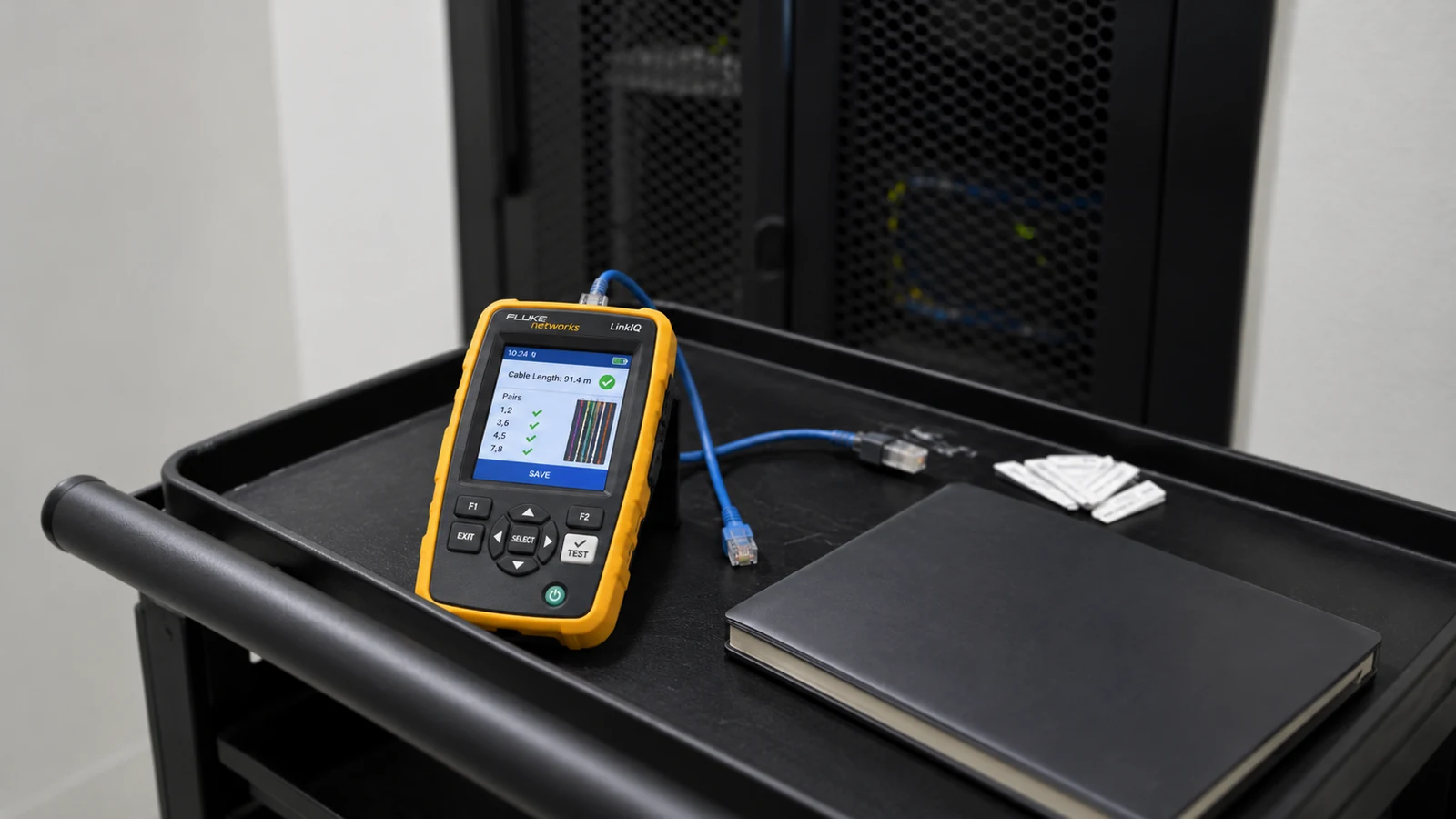
A shared asset and service record supports recurring care across managed systems.
View Service & Maintenance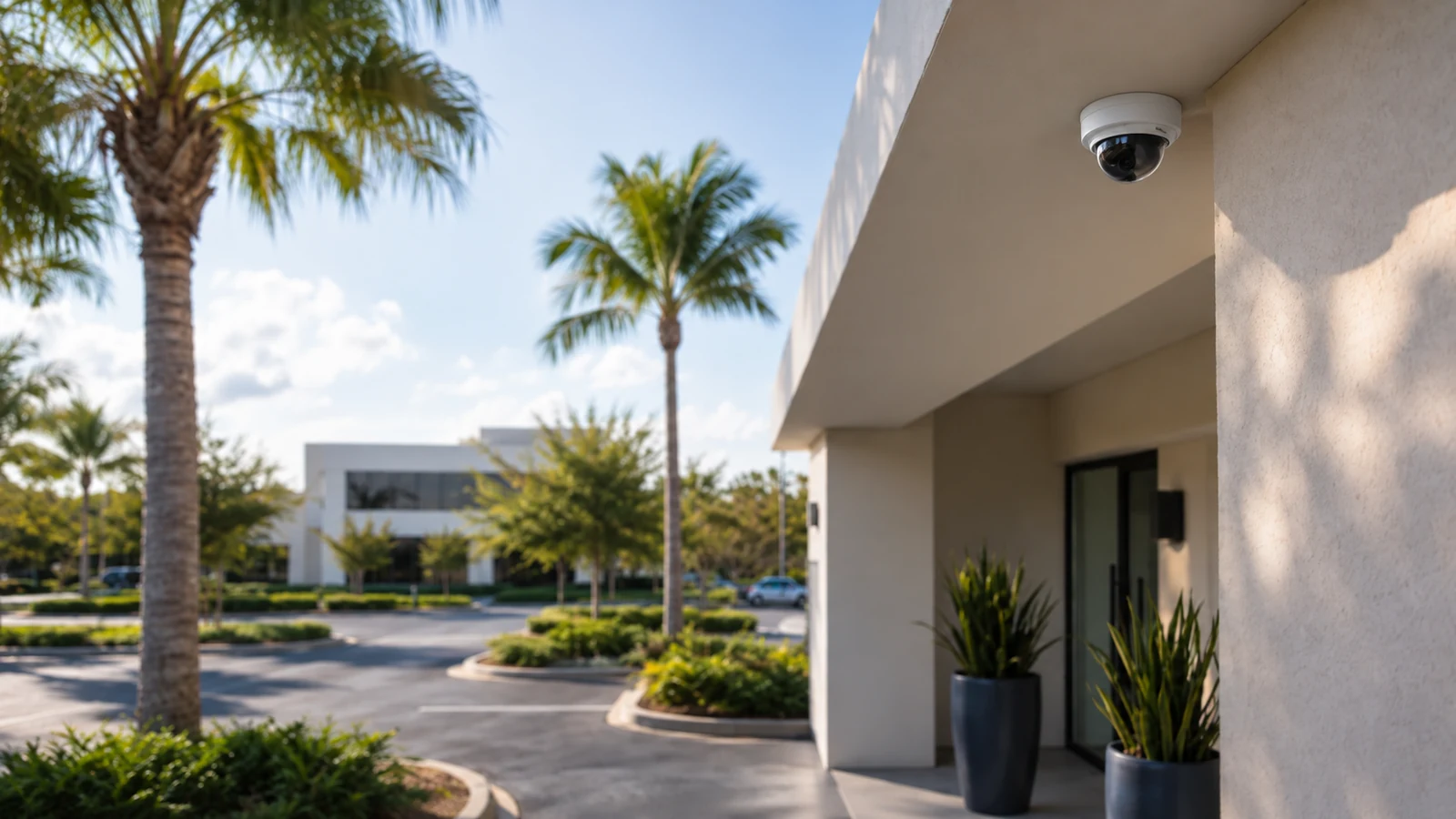
Portfolio findings can prioritize unsupported or capacity-limited camera environments for phased modernization.
View Camera System Upgrades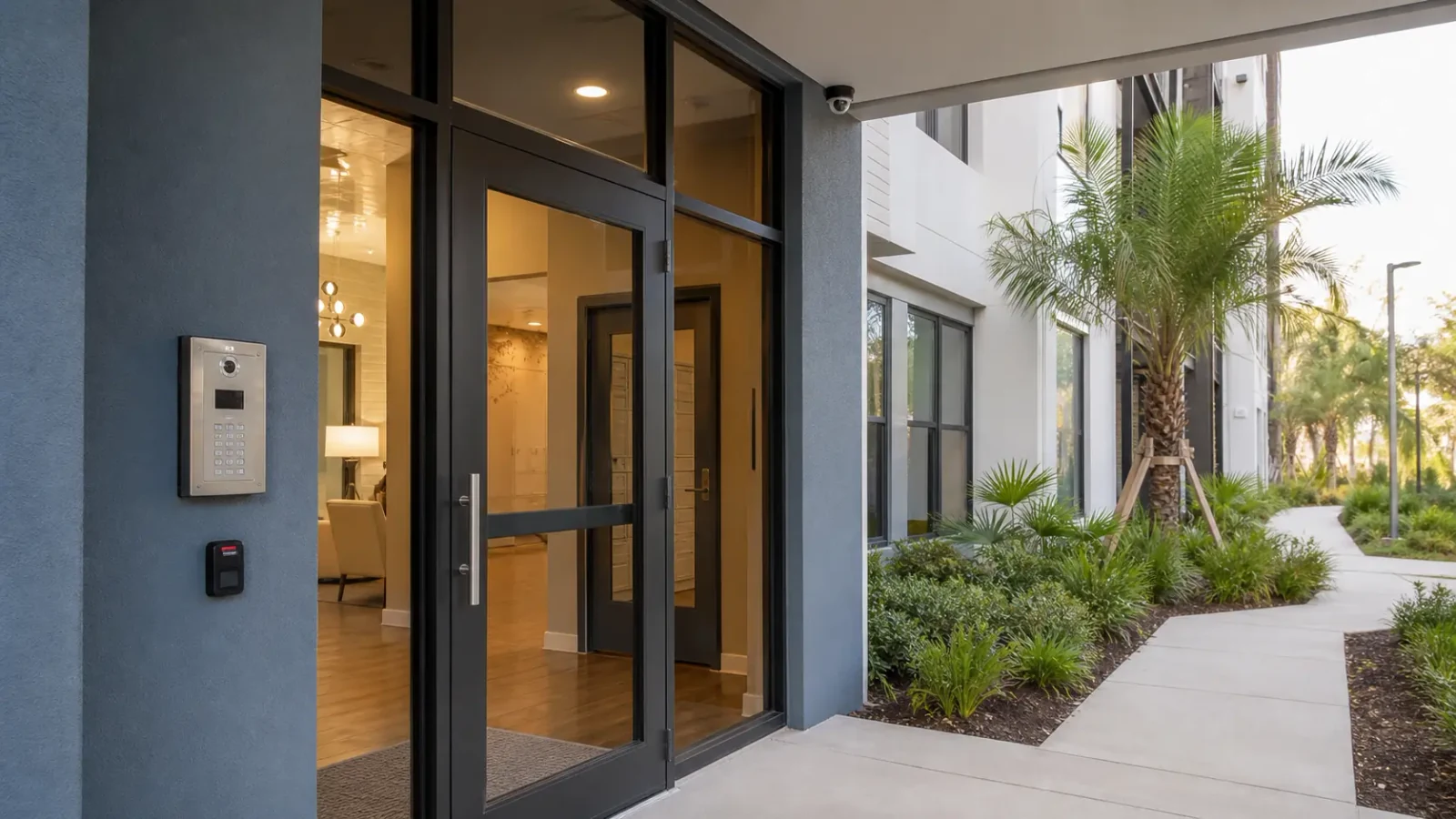
Credential ownership and user turnover often require the same portfolio discipline as camera accounts.
View Access Control SystemsRELATED PATHS
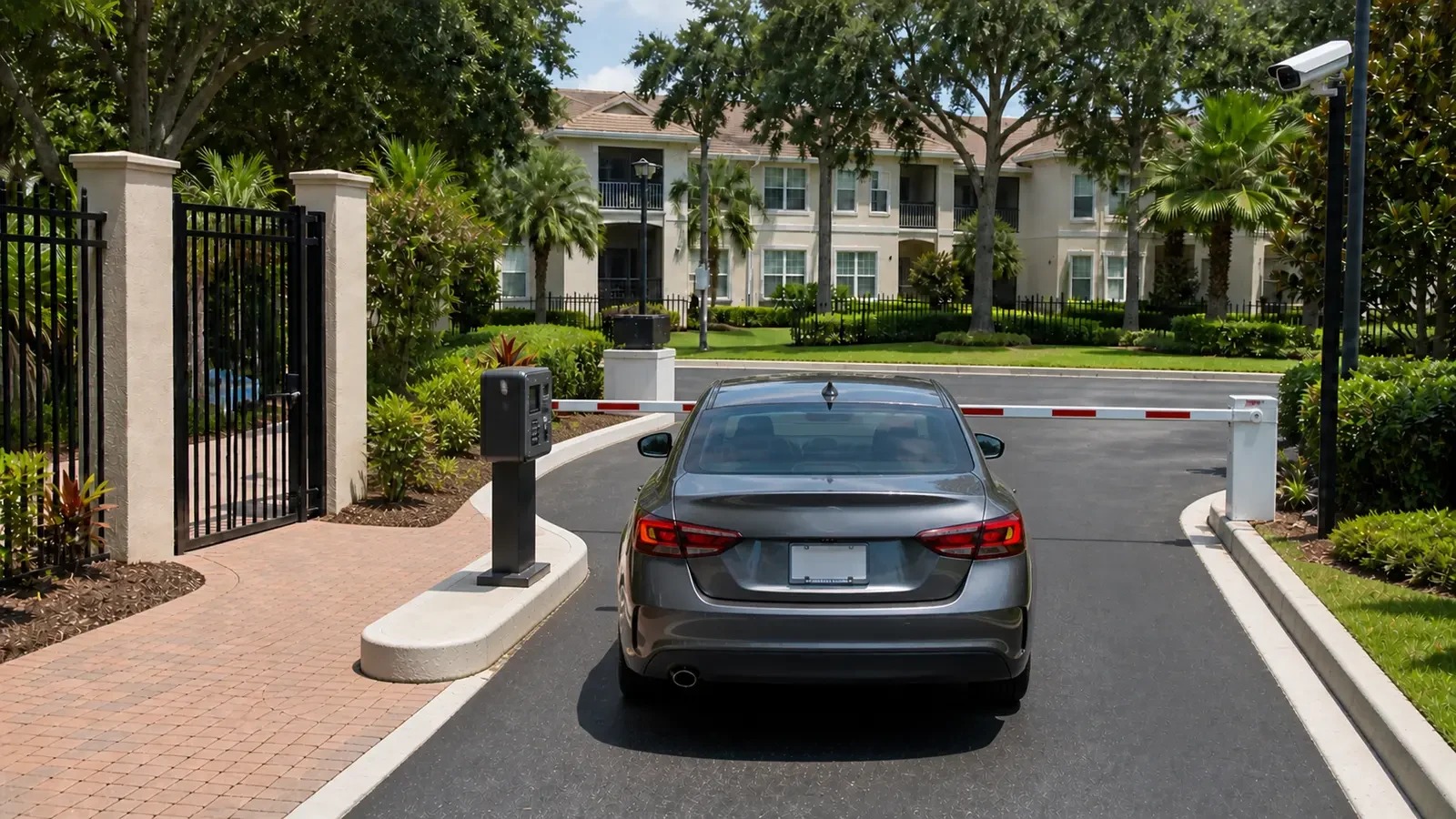
Community managers apply portfolio controls to common-area gates, amenities and resident turnover.
Explore Multi-Family / HOA
Commercial portfolios often contain multiple tenant layouts and account owners.
Explore Retail & Offices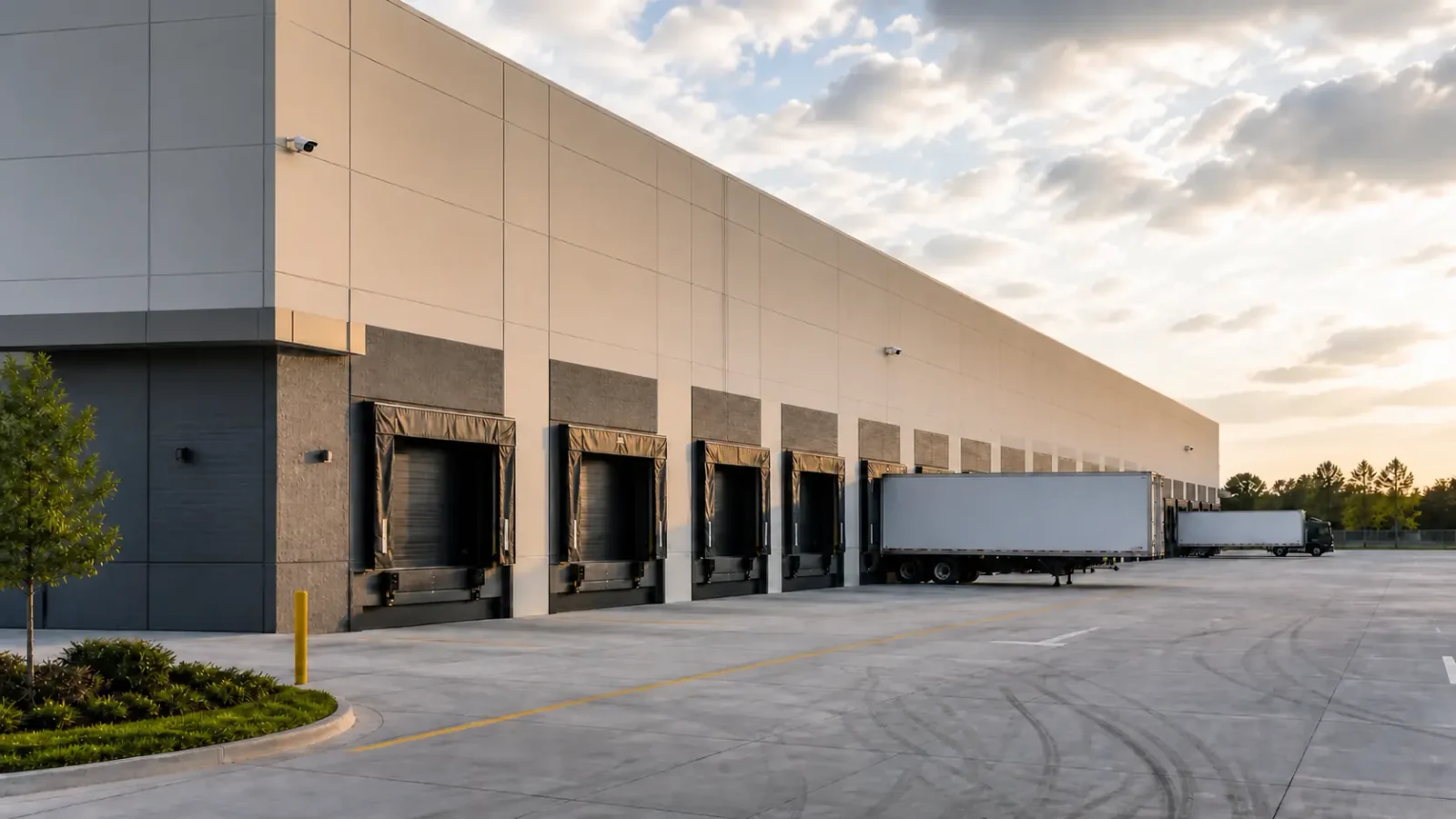
Managed operational sites require exceptions for environmental and service-access risks.
Explore Industrial PropertiesPROJECT PROCESS
Build a usable record of assets, roles, vendors, history and open conditions.
Set naming, ownership, export, service-record and access principles.
Address lost control, unsupported equipment and recurring failures by priority.
Update accounts, service results and lifecycle decisions after every material change.
LICENSED SUPPORT
Data Pro Communications operates under FL License #EC13016138. Portfolio engagements preserve customer account control, repeatable naming, asset history and phased lifecycle decisions across managed properties.
FAQ
Gather system inventories, camera and door maps, administrator and recovery ownership, service contracts, network dependencies, known faults and recent project records.
Use a stable property identifier plus operational location and direction, avoiding labels tied only to a current tenant or employee.
The customer should retain primary administrative and recovery ownership. Vendors can receive authorized roles appropriate to the work.
Review access after staff, board, tenant or vendor changes and on a regular schedule defined by the property-management organization.
Yes for ownership, naming, export and documentation principles, although platform-specific roles and recovery procedures will differ.
Records should identify the property, asset, symptom, conditions, tests, finding, correction, verification and unresolved risk.
Consider unsupported equipment, lost administrative control, recurring faults, capacity limits, evidence needs and the impact of failure on each property.
Only when the selected platforms and customer security policy support it. Consolidation should not be promised across incompatible systems.
Remove vendor users, rotate shared credentials where necessary, verify recovery ownership and collect current configurations, maps and open service records.
Portfolio planning defines ownership, standards and investment priorities across managed assets. Service & Maintenance performs recurring support and records work on supported systems.
Start with the property list, installed systems, account owners, service history and upgrade priorities to build a usable portfolio baseline.