
Florida Licensed
Data Pro Communications operates under FL License #EC13016138 for low-voltage systems work.
EAST-SIDE COMMERCIAL CAMERA PLANNING
East Orlando camera work can span very different occupied properties, so the survey begins with commercial operations, parking and exterior approaches. The broader east-side setting establishes the property context, while the selected technical service defines the installation depth.
A broad east-side scope can involve new cameras, selective reuse or recorder work. PoE capacity in the serving telecom room and recorder retention and user permissions are addressed only when they change the camera result or the owner handoff.
Data Pro Communications operates under FL License #EC13016138 for low-voltage systems work.
A multi-tenant center, a managed office and a service property can require very different camera views even when they share an East Orlando address.
The survey identifies which coax, category cabling, PoE, switching and recorder components can remain before new equipment is selected.
Property management, tenant and IT responsibilities are documented so remote access and future service do not depend on one person.
Closeout records the camera views, retained infrastructure and access responsibilities that were actually accepted for the project.
PROJECT GUIDANCE
The East Orlando area includes older commercial corridors, newer managed properties and occupied business sites with different telecom rooms, cable paths and operating schedules. A useful camera plan starts with the property itself rather than treating East Orlando as a single building type or municipality.
PLANNING RISKS
Ceiling access, public entrances and tenant hours can limit where pathways are opened and when disruptive work can occur.
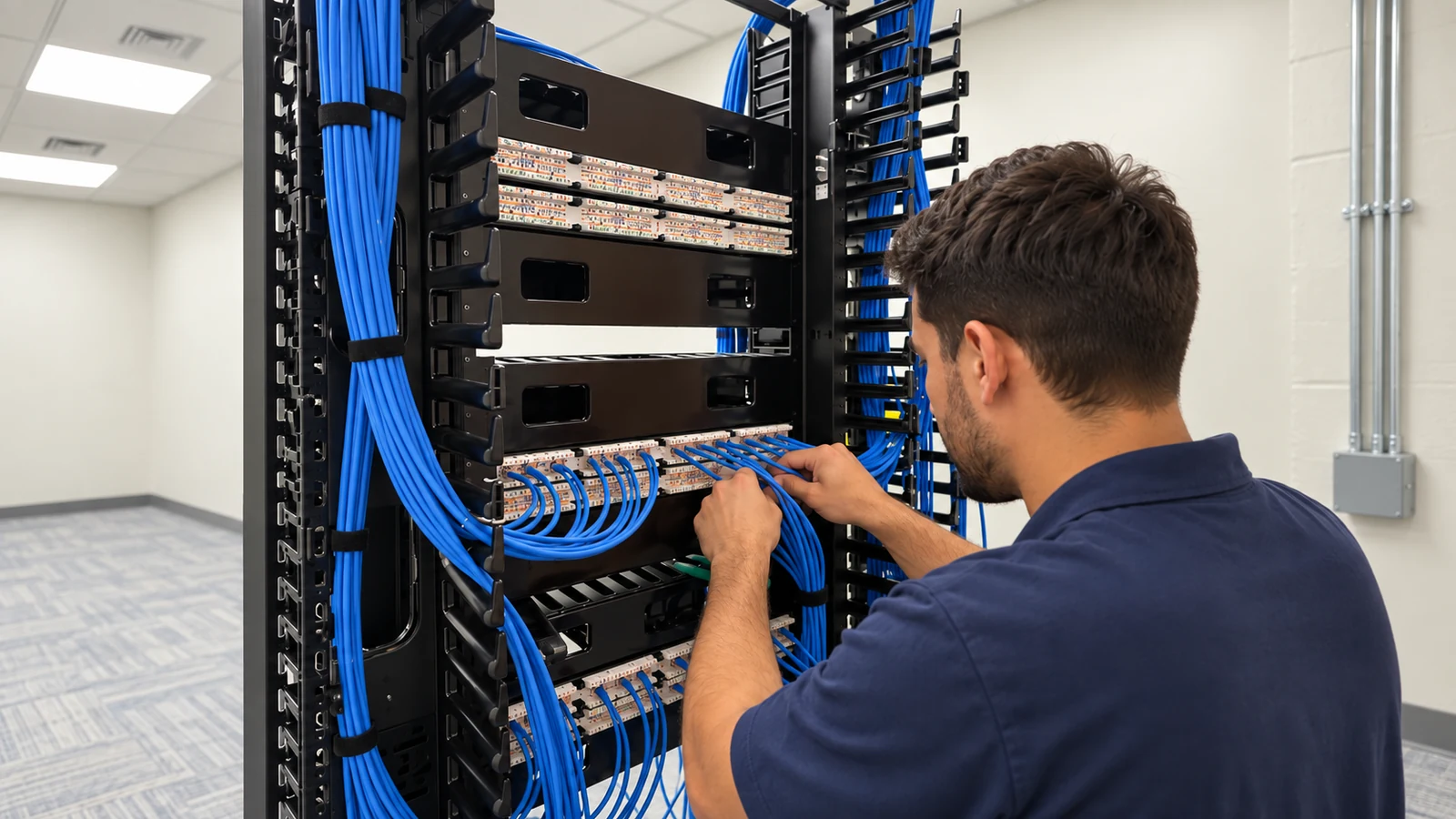
Older coax, newer category cabling and partial IP upgrades need separate testing; age alone does not determine what is reusable.
A camera that looks adequate from the wall can still miss useful vehicle context once parked cars, lighting and approach angles are considered.
Landlord, tenant or IT control of the serving room can affect PoE changes, recorder access and the timing of cutovers.
Adding cameras without resolving administrator ownership can leave the property with working hardware but fragile access to playback and exports.
A technically sound design still needs a field sequence that keeps occupied businesses functioning while mounts, cable paths and recorder changes are completed.
CAPABILITIES
Document cameras, cable types, serving telecom spaces and recording endpoints before deciding which parts of the system change.
Walk entrances, parking approaches and service access with the property team so each proposed scene has a defined review purpose.
Verify available switch power, ports, channels and storage before camera count or resolution is increased.
Separate public-area tasks from ceiling, telecom-room and after-hours work so occupied spaces are not treated like an empty construction site.
Create a recoverable administrator model for the property and document who can view, export and manage the system.
Review live views, playback and an evidence export with the authorized user instead of ending at a simple online/offline check.
PROPERTY APPLICATIONS
Separate shared entry activity from individual tenant interiors so the recorded scene answers a property-level question without unnecessary private-space coverage.
Place exterior views to show approaches and usable vehicle context, then confirm the scene under the lighting conditions that matter to the property.
Keep a recorder only when channel support, storage health, credentials and future expansion needs make continued use practical.
Coordinate new camera drops with other ceiling and pathway work so the security scope does not create avoidable rework in an occupied suite.
Give authorized managers access that can survive staff turnover, while keeping personal technician accounts out of the ownership chain.
Where door events and video need to be reviewed together, align time, network and account responsibilities without merging unrelated administrative permissions.
TECHNICAL PLANNING
Inspect condition, distance, termination and pathway history before deciding whether an old run can support the selected replacement architecture.
Count powered endpoints against the actual switch budget and reserve rather than assuming an open port can power another camera.
Storage is planned from camera count, bitrate, recording mode and review needs, while account roles are defined separately from retention.
Route choices account for occupied ceilings, landlord restrictions and access panels so installation remains serviceable after the project is complete.
Outdoor terminations, mounting surfaces and water exposure are reviewed with the same attention as the camera specification.
Closeout should leave camera names, recorder details, key network dependencies and account ownership understandable to the next authorized manager or technician.
PROJECT GUIDANCE
East Orlando camera projects can touch tenant cabling, shared PoE switching, access-control networks and property-managed recorders. The handoff should make those boundaries explicit: who owns the switch or VLAN, who controls the recorder, which credentials belong to the property and which systems are merely adjacent to the camera scope.
EAST ORLANDO CONTEXT
East Orlando provides a broad geographic service context for properties that do not map cleanly to a narrower corridor or neighborhood. Planning stays focused on how mixed commercial conditions, occupied spaces and inherited infrastructure affect the camera project.

RELATED PATHS
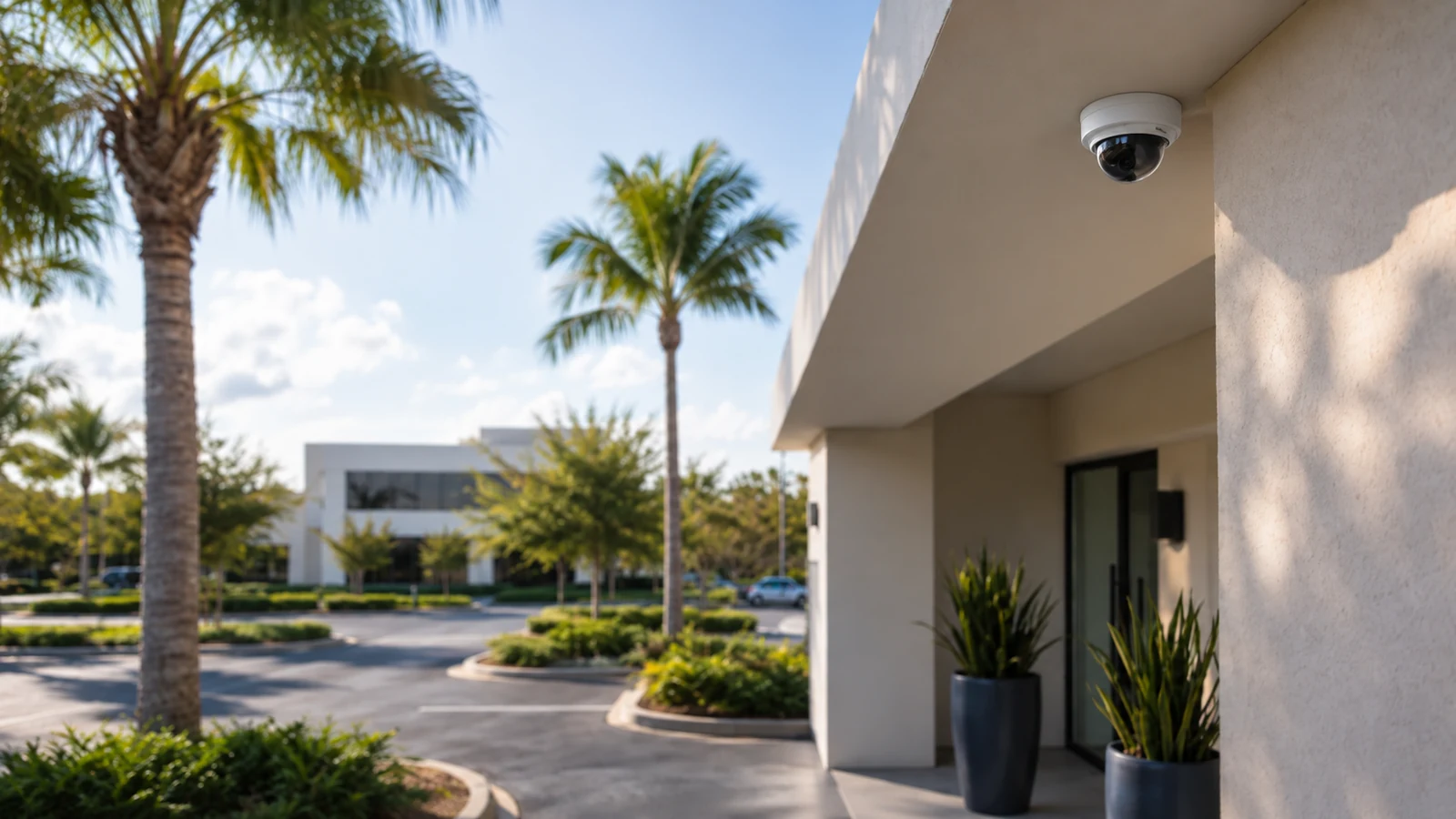
Existing east-side systems often need selective modernization before new coverage is added.
View Camera System Upgrades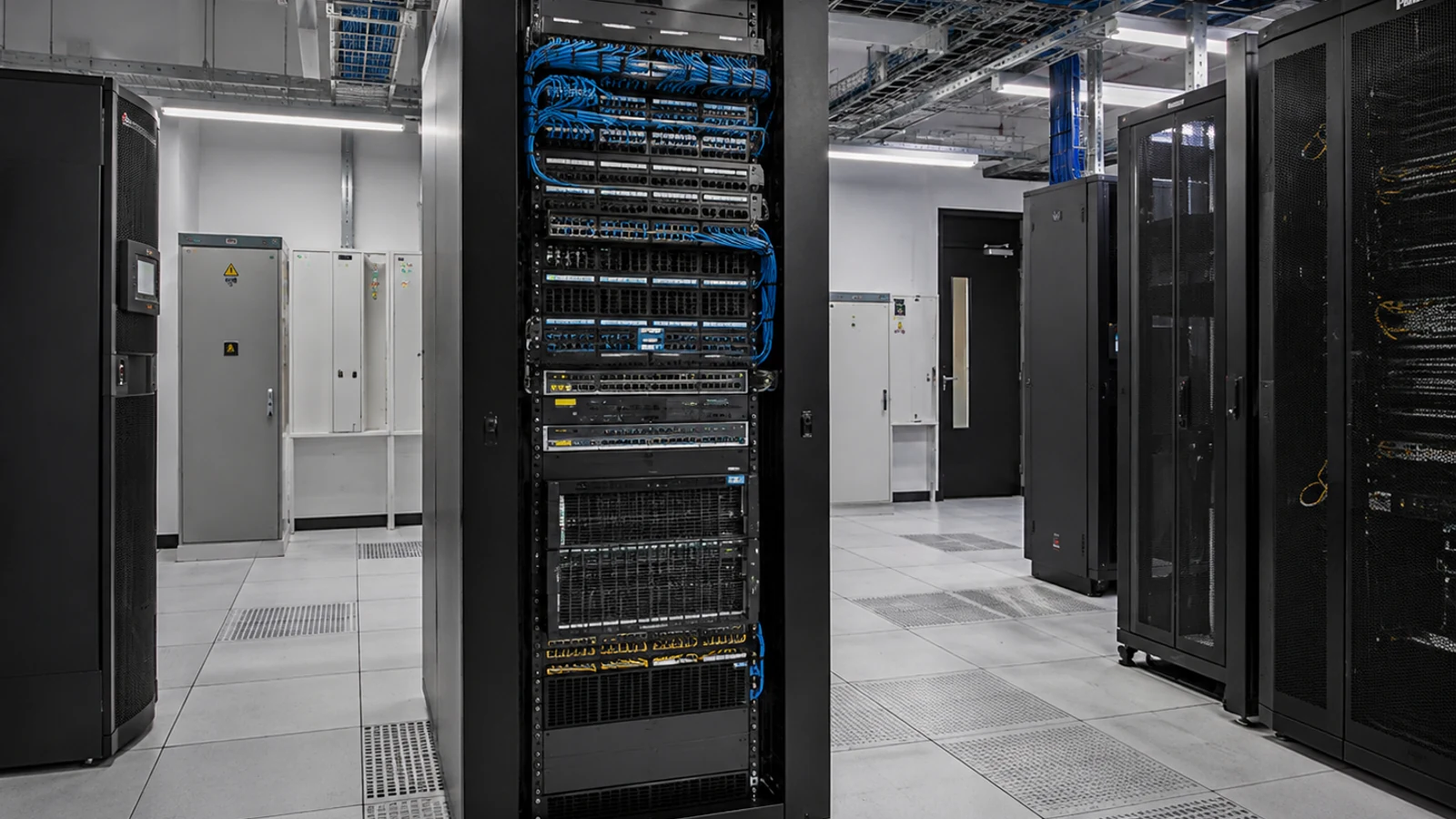
Occupied commercial properties may need replacement or new copper paths where retained cable cannot support the selected cameras.
View Cabling Services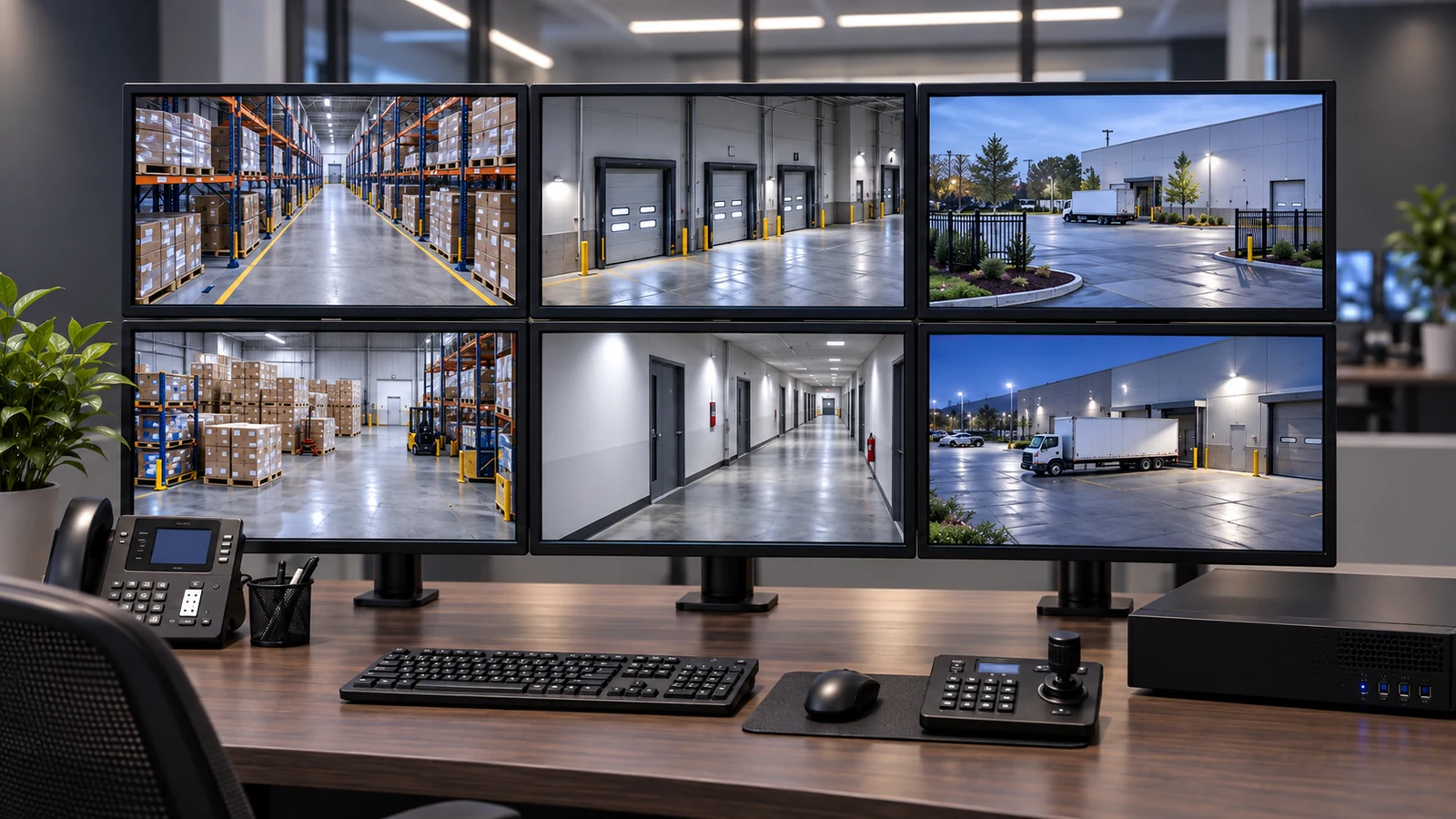
Property managers benefit from explicit retention, export and account-ownership decisions.
View NVR & Remote ViewingRELATED PATHS
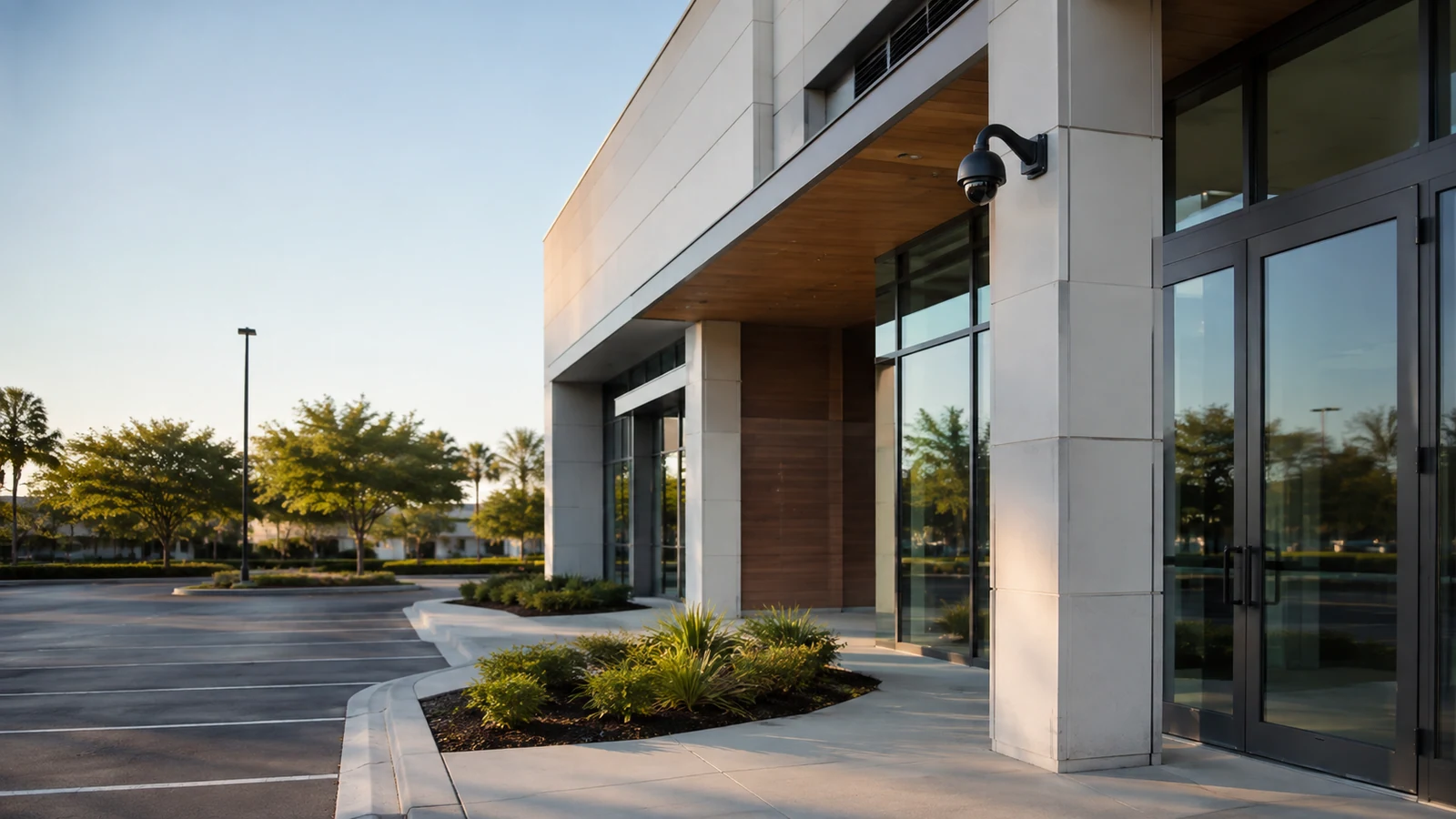
For a tighter retrofit-corridor comparison, consider Goldenrod, where mixed-age buildings, rear service access, parking approaches and existing telecom constraints shape the work.
Explore Goldenrod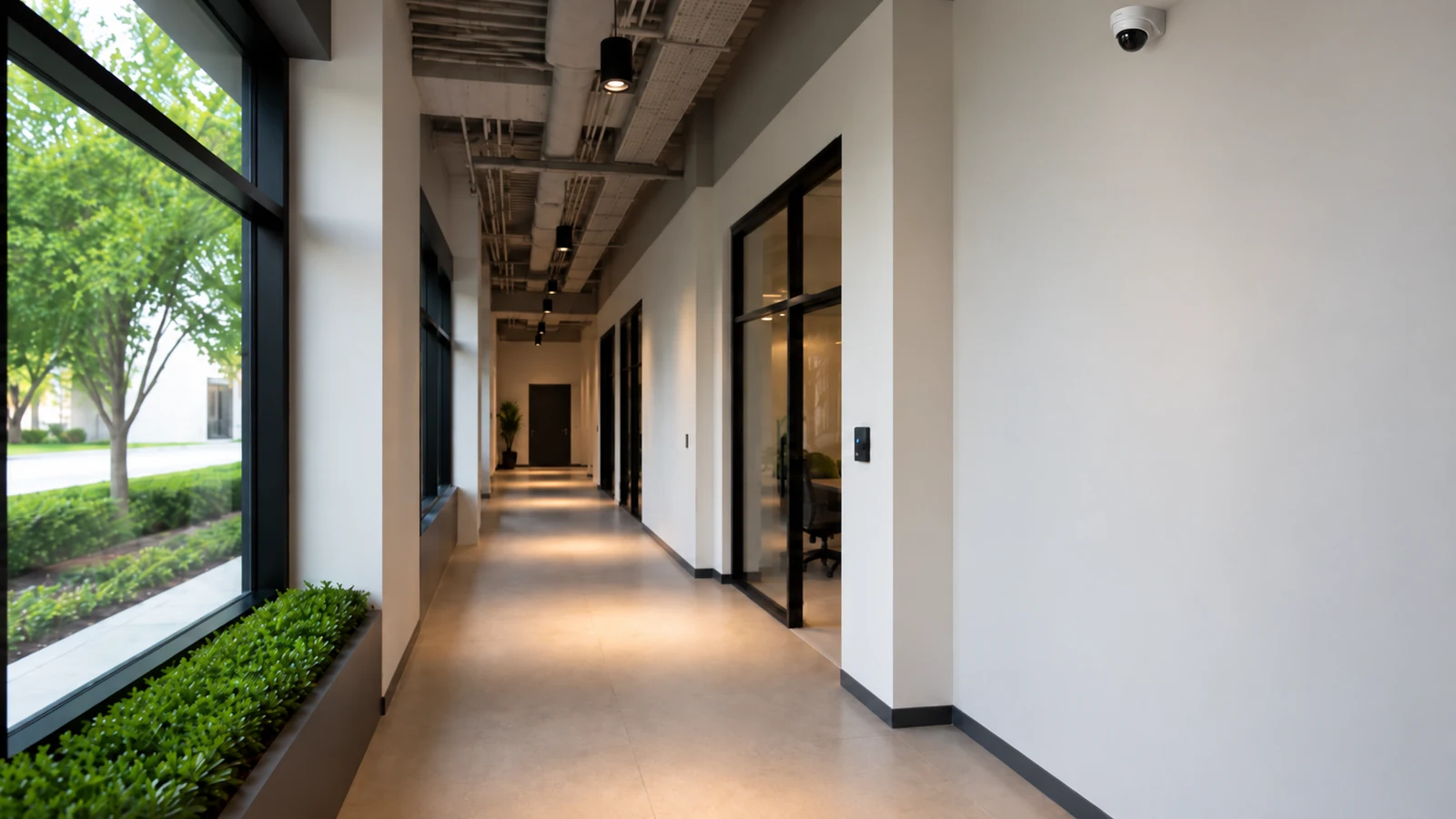
East Colonial is useful when an East Orlando project shifts toward the SR 50 corridor, where storefront turnover, vehicle approaches, deliveries and customer-facing operations shape the work.
Explore East Colonial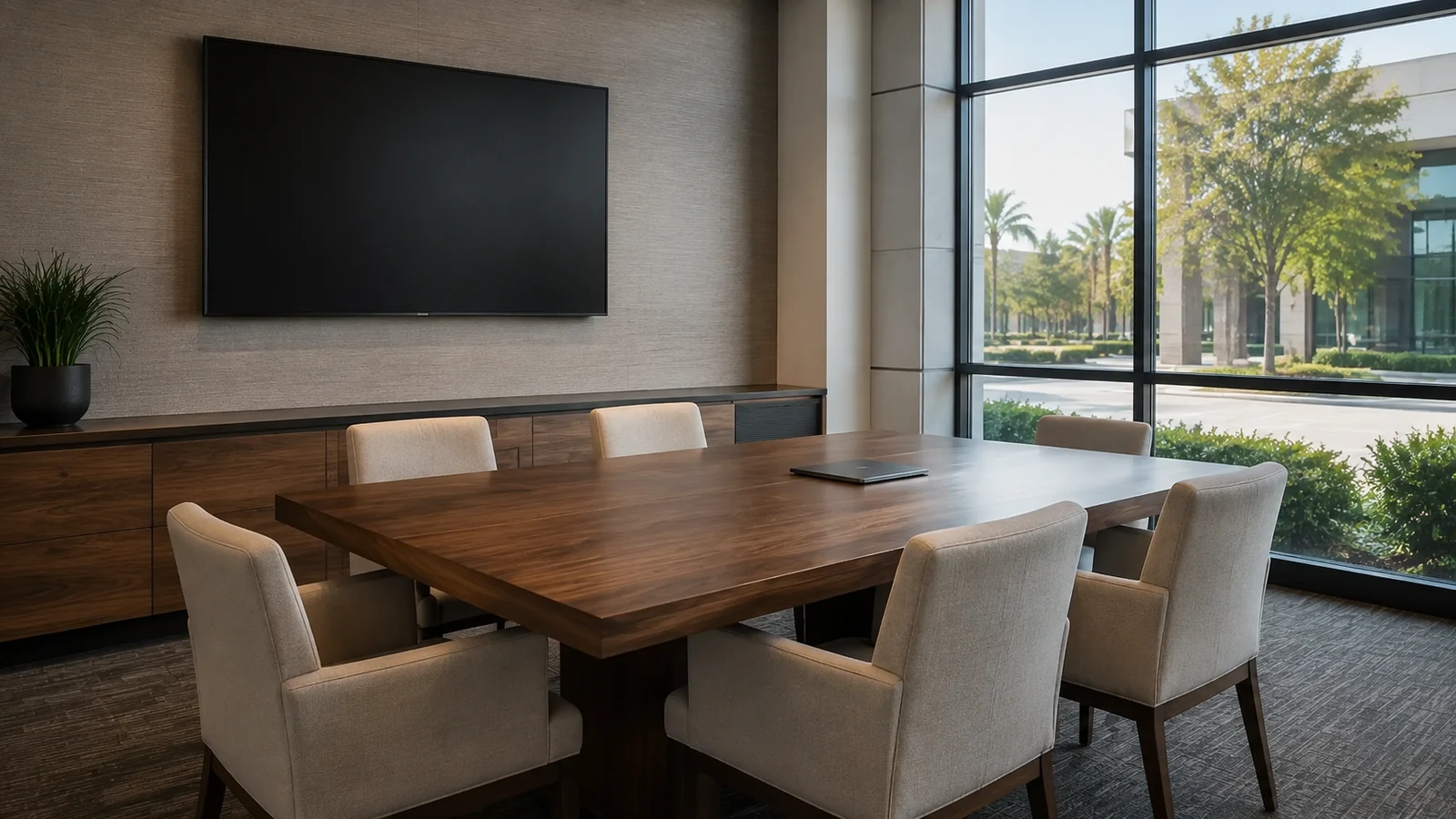
A property closer to Union Park should follow that local route when its neighborhood commercial or service context, exterior-perimeter emphasis, mix of older and newer systems, and occupied retrofit work become the dominant conditions.
Explore Union ParkPROJECT PROCESS
Review the actual entrances, parking, tenant areas and existing equipment with the person who understands daily operations.
Test the infrastructure that may stay, then build the camera scope around confirmed capacity rather than assumptions.
Schedule pathway, mounting and telecom-room tasks around the access limits of the occupied property.
Confirm live and recorded operation with the authorized user and leave recoverable accounts plus useful system records.
LICENSED SUPPORT
Data Pro Communications operates under FL License #EC13016138. For an East Orlando project, the written scope identifies the camera work, the retained infrastructure, the property-access assumptions and the administrator responsibilities that matter to the finished system.
FAQ
Start with the way people and vehicles move through the property. Separate entrances, parking, staff areas and service access when they require different detail, lighting or review workflows.
Yes, if the cameras, cabling, recorder channels and power/network path are compatible and reliable. Reuse is tested rather than assumed.
Property access, telecom-room ownership and user permissions should be resolved before field work so one tenant change does not disrupt the whole system.
Review actual vehicle approaches, lighting and obstructions at the times the footage is likely to matter. A single daytime walk-through is not enough for every exterior scene.
The property or designated business administrator should retain recoverable account ownership. Personal technician credentials should not be the only way into the system.
Replace a run when condition, category, distance, labeling or pathway uncertainty makes it unreliable for the selected camera architecture.
Often yes. The survey should identify public entrances, tenant hours and ceiling or telecom access so disruptive work can be placed into appropriate windows.
Record channel assignments, retention settings, administrator ownership, storage condition and any limits that affect future camera additions.
They can share event context or network infrastructure while keeping separate permissions and administration. The integration boundary should be explicit.
Begin with the broader East Orlando service context, then let the site survey determine which technical services and property conditions control the scope.
Send the East Orlando property type, current camera/recording condition and the entrances or exterior areas that need attention so the survey can start with the right east-side context.