Florida Licensed
FL License #EC13016138 for low-voltage systems work.
OPERATIONAL ZONES, EXPOSED CONDITIONS AND SERVICE ACCESS
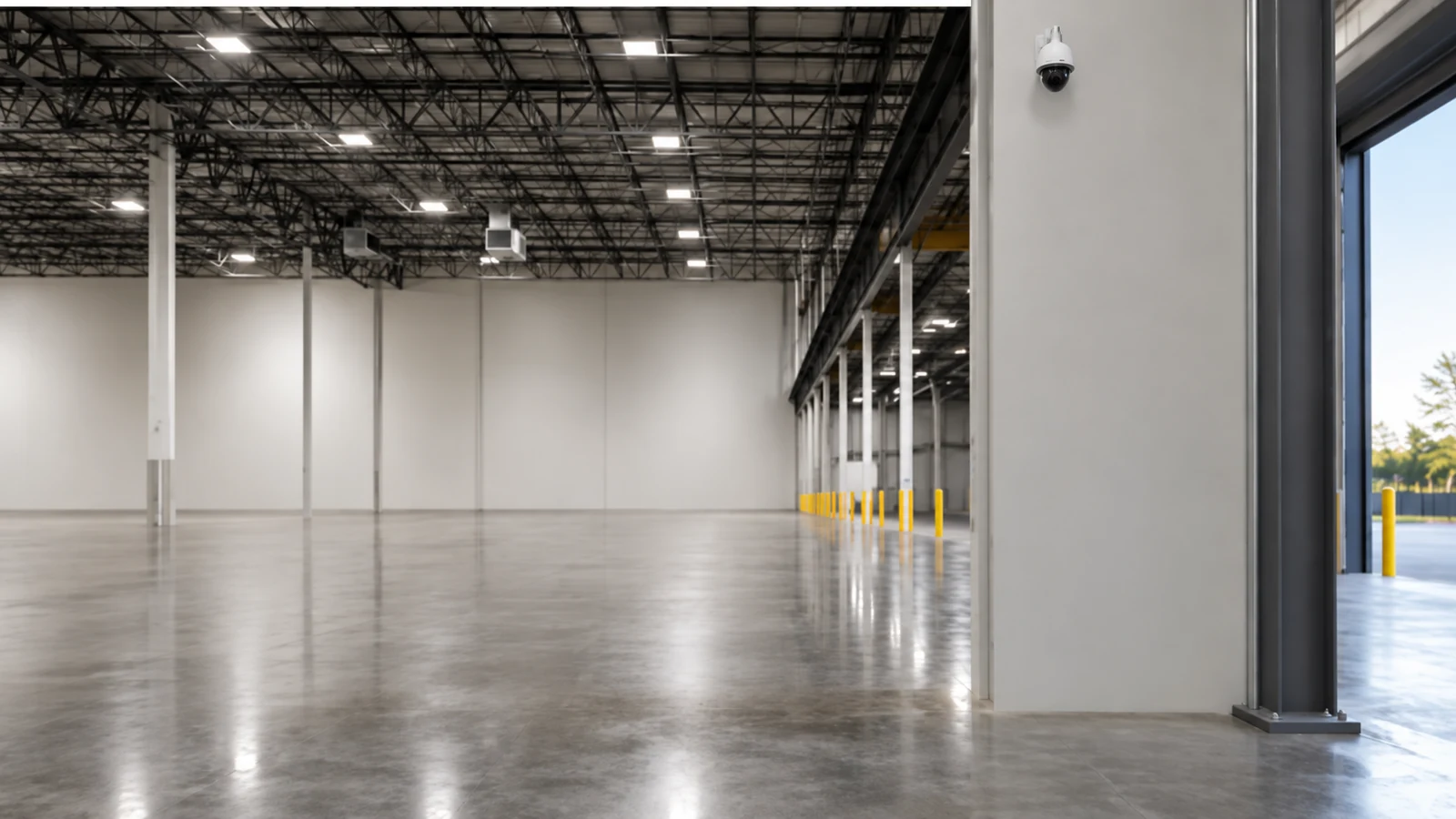
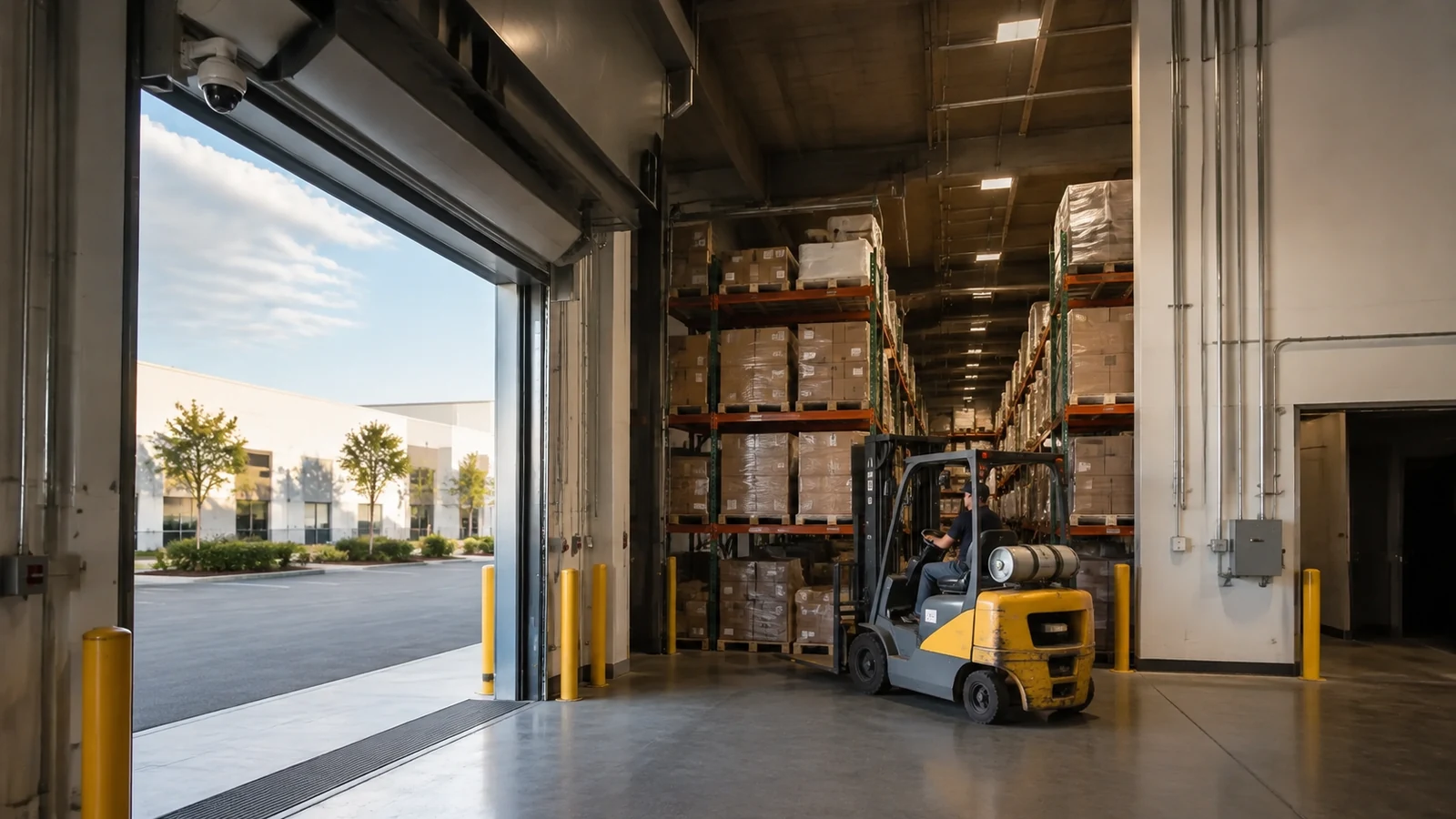
Industrial camera planning has to survive the operating environment. Dust, moisture, heat, vibration, outdoor exposure, high ceilings and restricted work zones affect camera selection, mounting, pathways and the method technicians will use to service the system later.
The video purpose must also respect operational boundaries. Cameras can provide perimeter, yard, vehicle and selected process-area context, while IT, OT and safety systems remain separately owned unless a specific supported interface is authorized.
FL License #EC13016138 for low-voltage systems work.
Exposure, vibration and contaminants shape mounting and enclosure choices.
Camera traffic and views respect restricted zones and IT/OT ownership.
Lift, escort and shutdown requirements are known before turnover.
Exterior routes, fiber, switches and enclosures remain traceable for restoration.
PROJECT GUIDANCE
An industrial survey should map perimeter and gate activity, vehicle routes, exterior work, restricted transitions and approved operational views alongside environmental exposure, mounting structure, cable distance, power, telecom spaces and future service access. The design is incomplete if a failed device cannot be reached safely or its network path is unknown.
PLANNING RISKS
Environmental stress can degrade housings, connectors, lenses and cable entries.
Machinery or lightweight structures can disturb framing and connection reliability.
Production schedules, permits or escorts may limit installation and service access.
Remote yards and perimeter points can exceed copper distance or require protected pathways.
Camera traffic should not be placed on operational networks without explicit ownership and authorization.
High or exposed devices may require lifts, shutdowns or special access every time they are serviced.
CAPABILITIES
Record exposure, temperature, dust, moisture, washdown and lighting conditions at each position.
Select supports, housings, glands and cable protection for the installed environment.
Plan vehicle, pedestrian, gate and restricted-zone transitions around obstructions.
Coordinate fiber, enclosures, switches and surge considerations for remote areas.
Define where camera networks terminate and which team owns changes.
Document lifts, escorts, shutdown windows and replacement methods before handoff.
PROPERTY APPLICATIONS
Observe approach, parking and selected work-zone transitions around large equipment.
Relate exterior approach and authorized door or gate activity without controlling the process system.
Plan views around weather, lighting and changing stock or equipment obstruction.
Provide approved context from structure that can be safely reached later.
Carry video over a protected optical link to a documented network boundary.
Use a planned outage or access window to inspect, clean, refocus or replace difficult devices.
TECHNICAL PLANNING
Document the actual heat, moisture, dust and cleaning conditions rather than assuming outdoor rating is enough.
Verify mounting surface, vibration and bracket serviceability.
Choose pathway, enclosure and transition methods for impact, moisture and electrical environment.
Record fiber strands, switches, VLANs and the handoff between facility teams.
Identify lifts, fall-protection rules, escorts or shutdowns managed by the property.
Plan how lenses, housings and connectors will be inspected without disrupting operations.
PROJECT GUIDANCE
Industrial cameras may traverse facility fiber and switches near OT environments, but the camera system ends at an explicitly documented network boundary. Process control and safety functions remain separately controlled by the property.
EAST ORLANDO CONTEXT
Industrial and service properties around east Semoran, Curry Ford, Goldenrod and southeast Orlando vary from exposed yards to high-ceiling operational buildings. The page emphasizes installation and service conditions, not warehouse throughput or claims about any named industrial client.
RELATED PATHS
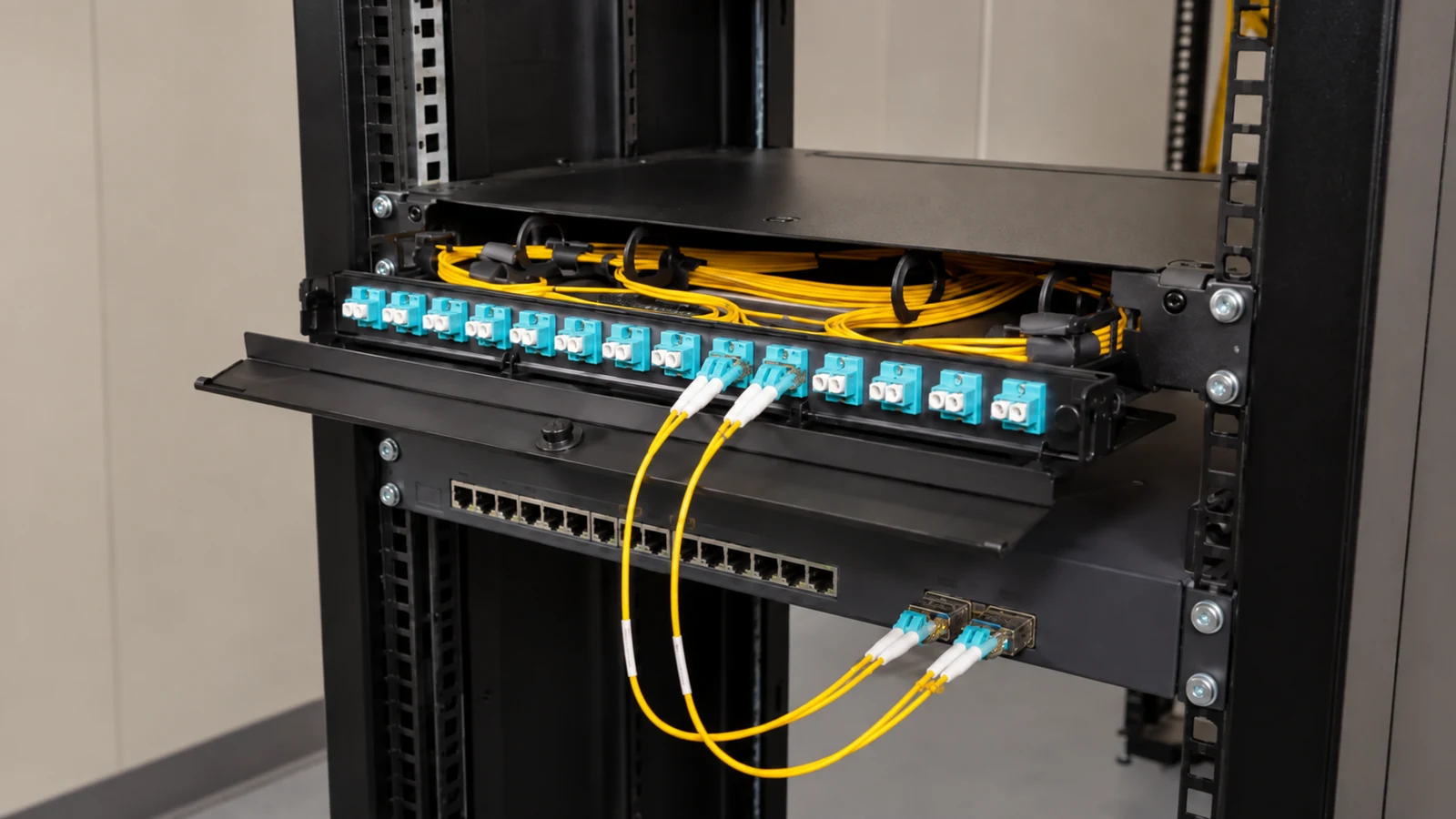
Remote yards and buildings may require protected optical paths and documented interfaces.
View Fiber Optic Services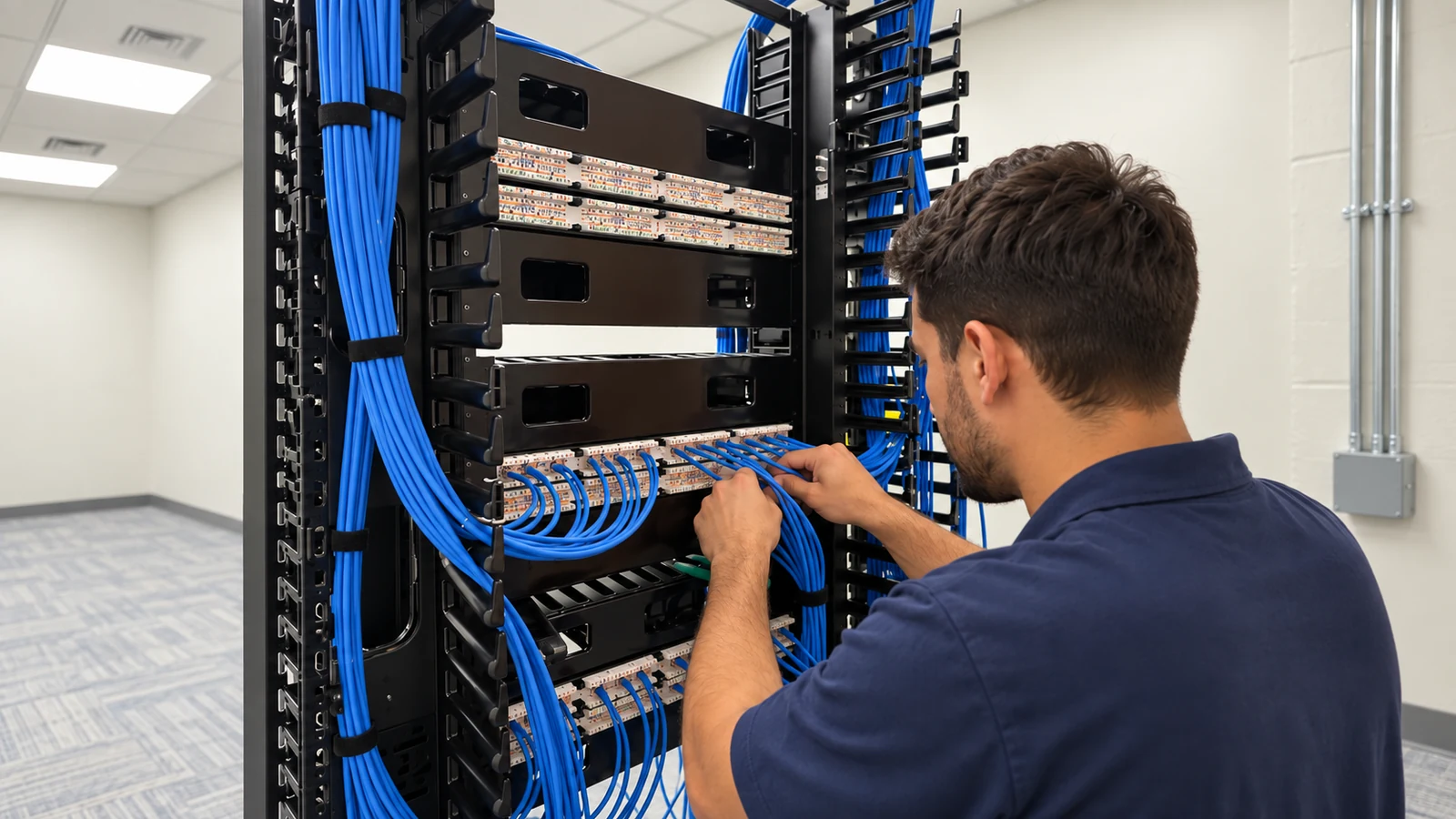
Camera switching and uplinks need clear boundaries from operational technology networks.
View Network Solutions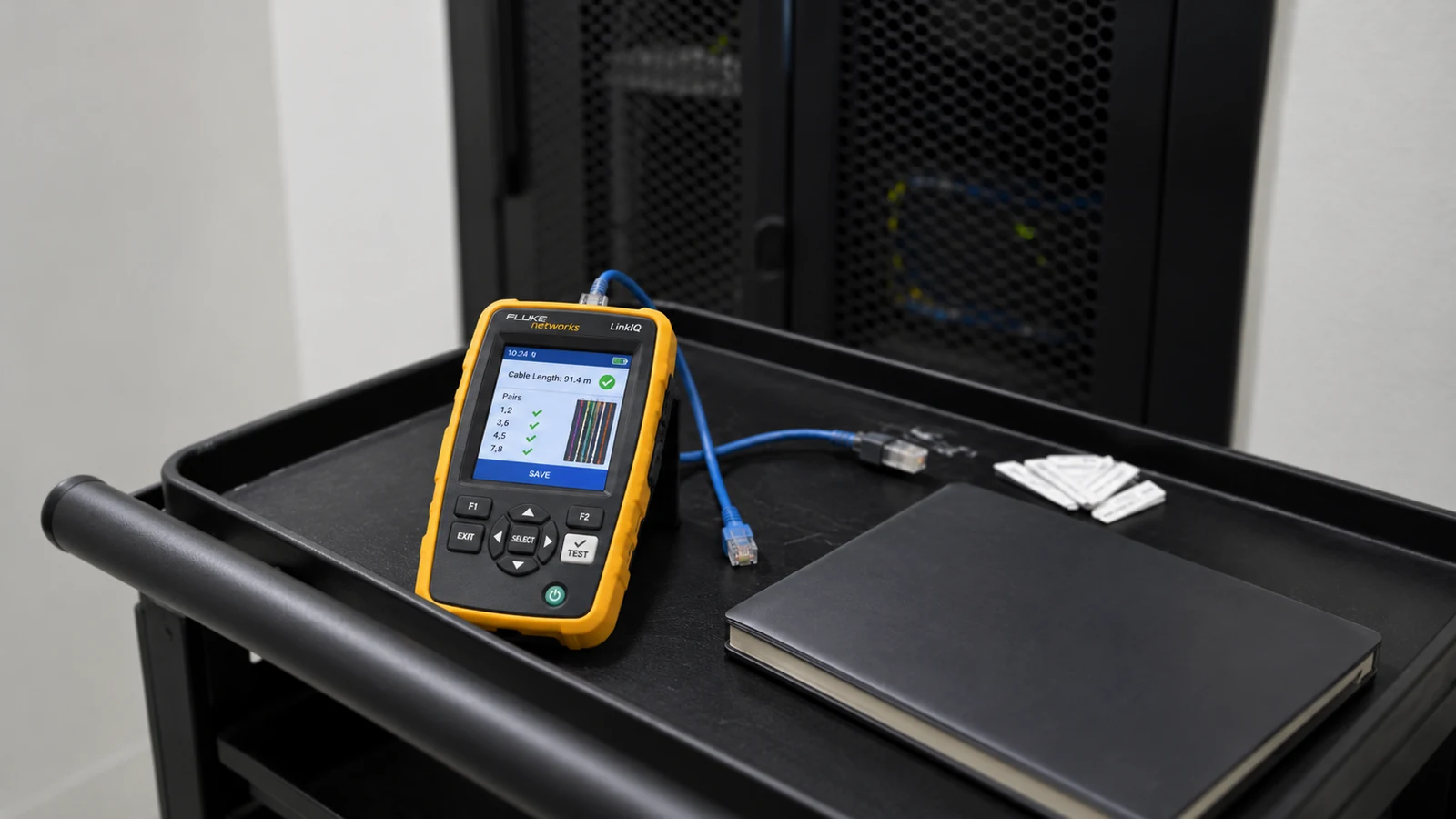
Environmental inspection and service history support difficult or exposed devices over time.
View Service & MaintenanceRELATED PATHS
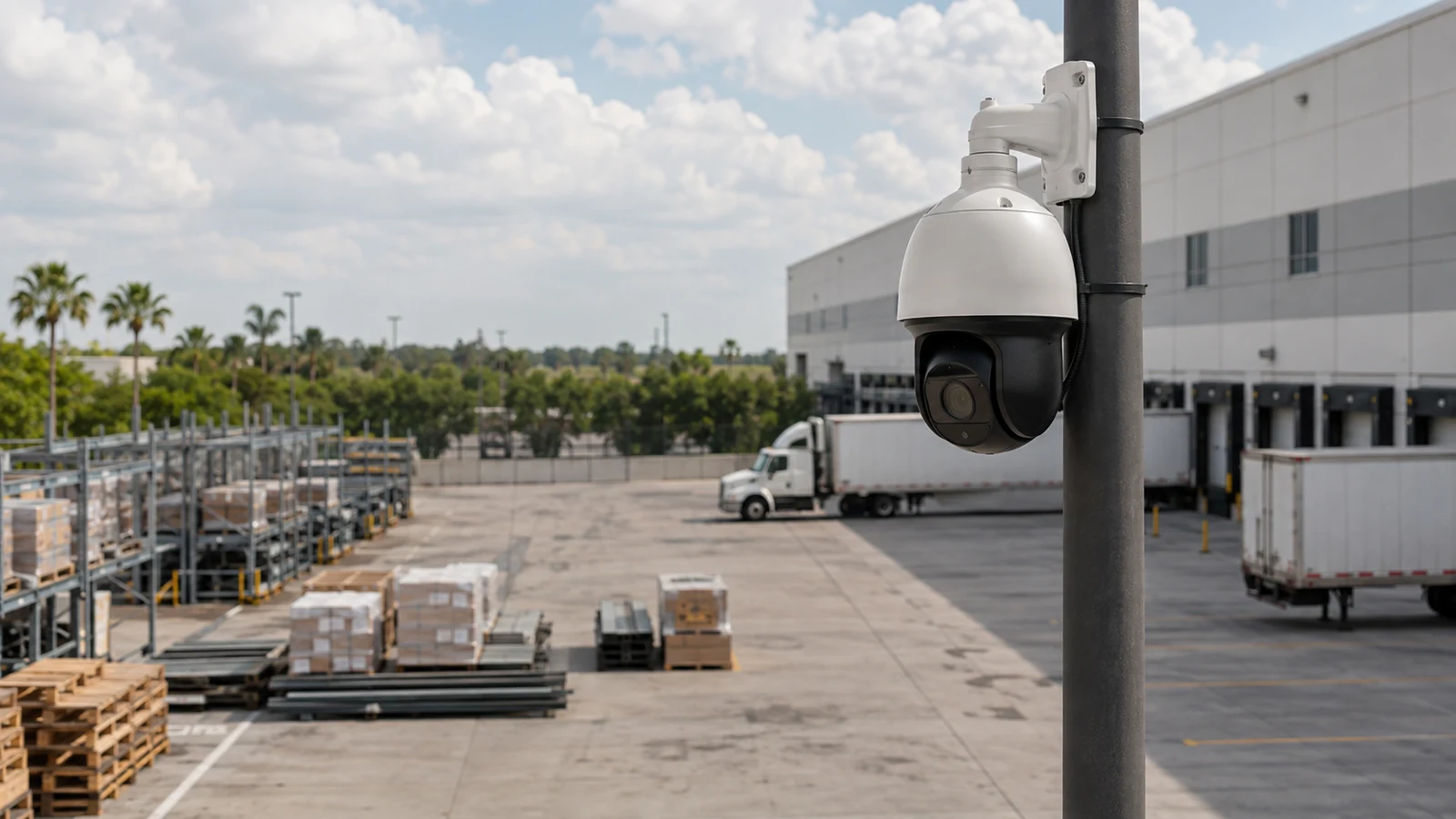
Both use yards and high mounting, but distribution flow differs from process and exposure concerns.
Explore Warehouses & Logistics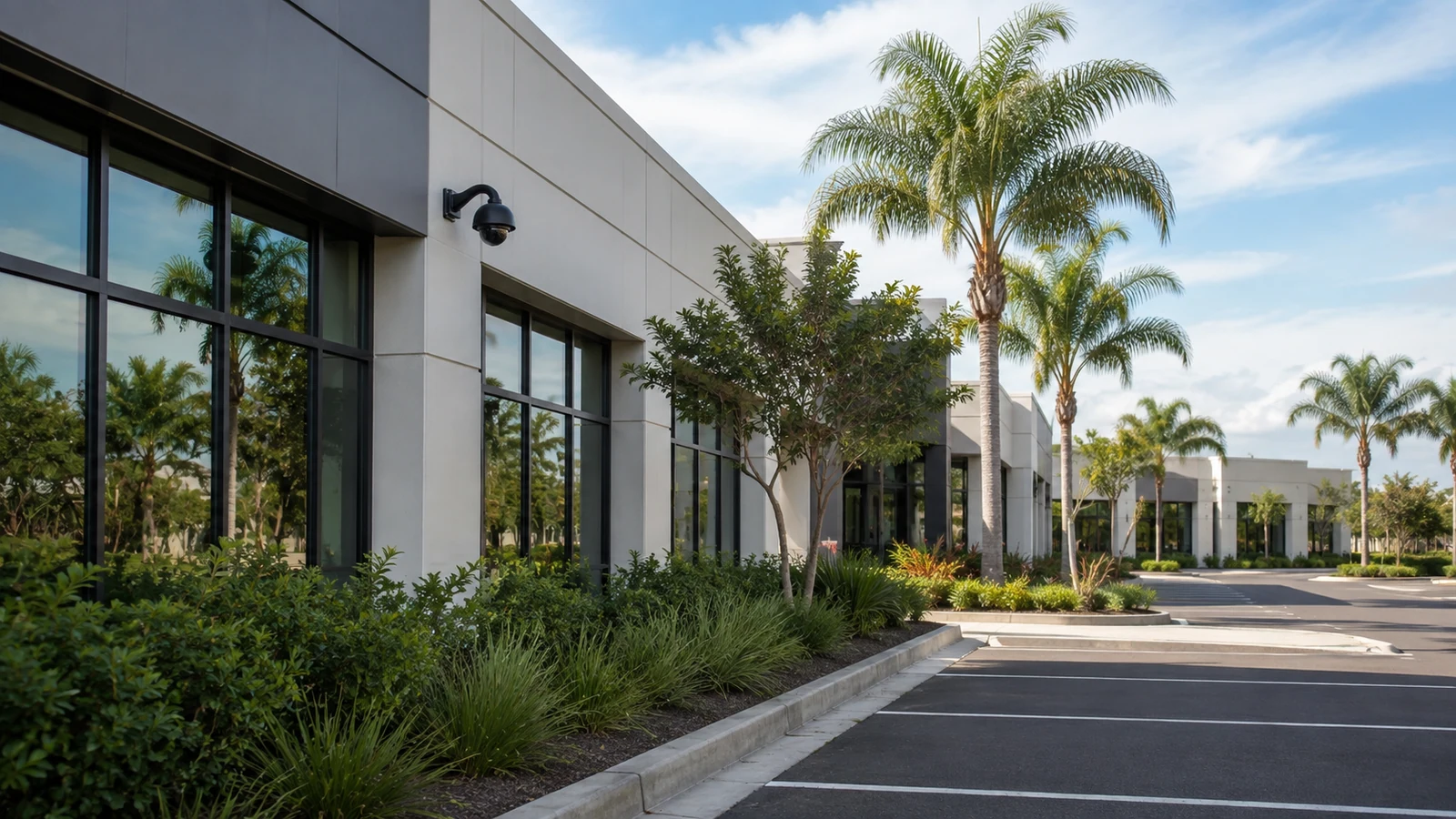
Industrial portfolios benefit from centralized accounts and lifecycle records without losing site-specific controls.
Explore Property Managers
Both may have long links, but commercial operational conditions remain the dominant industrial concern.
Explore Select Residential PropertiesPROJECT PROCESS
Walk approved perimeter, yard, vehicle and process-adjacent scenes with site leadership.
Record exposure, mounting, pathways, backbone and future service requirements.
Coordinate lifts, escorts, shutdowns and protected routing with the property.
Verify views, recording, network path and service documentation during relevant lighting and activity.
LICENSED SUPPORT
Data Pro Communications operates under FL License #EC13016138. Industrial work records environmental assumptions, mounting and pathway conditions, network boundaries and the future method for reaching exposed or high devices.
FAQ
Temperature, moisture, dust, washdown, corrosion, vibration, glare and service access influence housing, mounting, connectors and maintenance planning.
Only through an explicitly authorized and designed boundary. Camera traffic should not be placed on an OT network by assumption.
Fiber is useful for distant yards, buildings or perimeter points and where electrical isolation or aggregate capacity makes copper unsuitable.
Review vibration, heat, airborne contaminants, structural stability, safe access, cable protection and the approved camera purpose.
Use compatible enclosures, glands, drip and bend management, connector protection and installation practices suited to the environment.
Some work can be phased, but restricted zones, overhead access and operational hazards require property-controlled work windows, permits or escorts.
The handoff should state lift or access requirements, isolation procedures controlled by the property, cleaning method and replacement approach.
No. Cameras provide video for defined operational or security purposes; they do not guarantee safety, compliance or process performance.
Moisture, temperature, marginal power, damaged cable, connector movement, surge events, network links and device failure are possible causes that require isolation.
Record scenes, exclusions, environmental assumptions, mounts, pathways, fiber or switch links, accounts, test results and future service-access requirements.
Describe the operational zones, exposure, mounting access, network boundary and service constraints before selecting industrial camera equipment.