
Florida Licensed
Data Pro Communications operates under FL License #EC13016138 for low-voltage systems work.
GOLDENROD CORRIDOR RETROFIT CAMERA SYSTEMS
Goldenrod is a retrofit corridor, not a municipality or a generic camera keyword. Commercial surveys follow rear access, parking and the condition of systems left by prior occupants before deciding what should be reused.
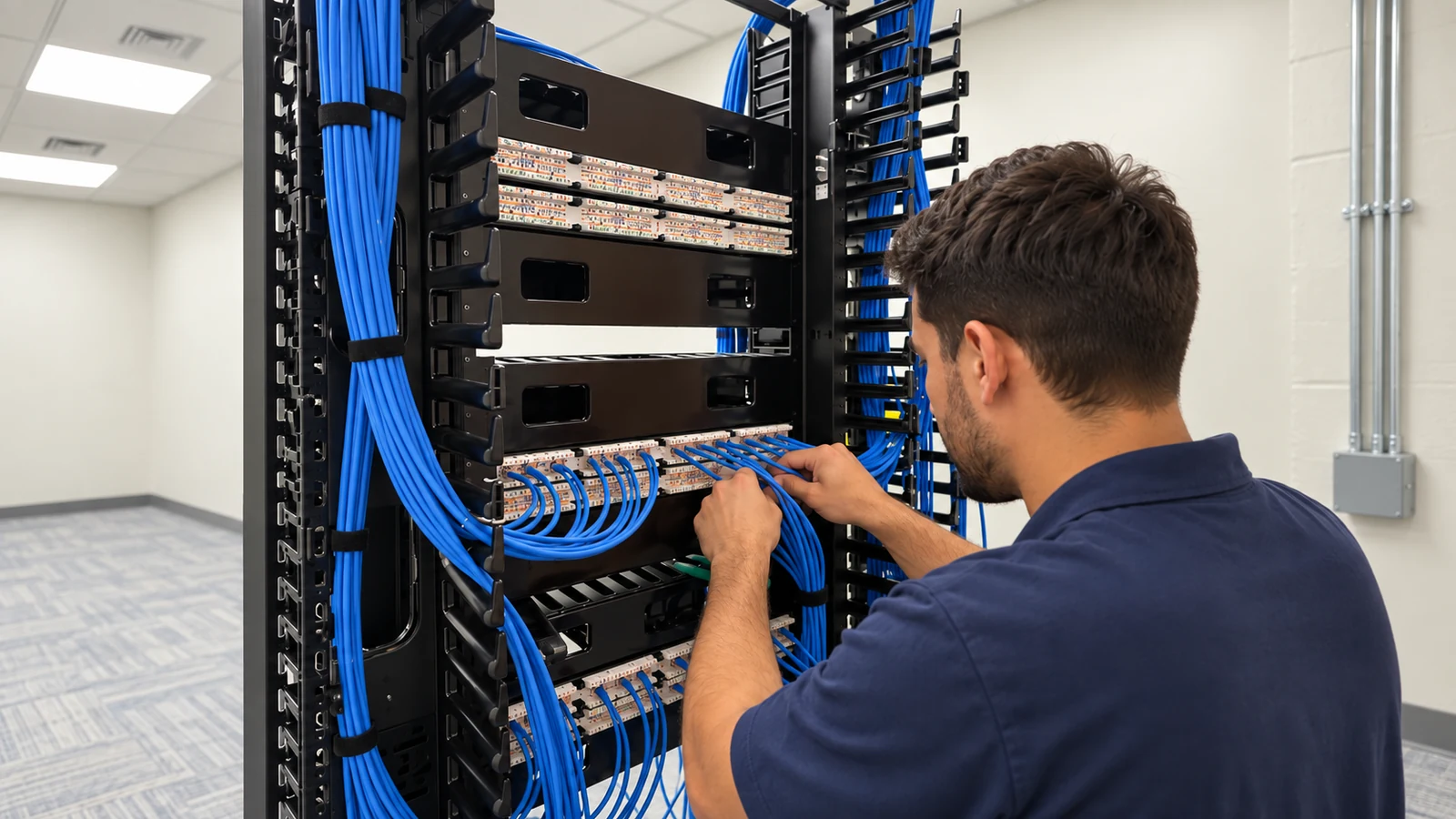
Goldenrod retrofit work often begins with what is already installed. We trace continuity and condition of retained cabling, review coax-to-IP modernization choices and avoid replacing serviceable infrastructure simply because the camera system is older.
Data Pro Communications operates under FL License #EC13016138 for low-voltage systems work.
The first question is what remains serviceable: cameras, coax, category cable, power, mounts and recorder channels are reviewed before replacement is assumed.
Goldenrod scopes account for rear delivery activity and parking approaches, not only the customer-facing door.
A serving room controlled by a landlord or another tenant can change how PoE, patching and recorder work is scheduled.
Labels and system records are left clear enough for a future tenant or service technician to understand what was retained.
PROJECT GUIDANCE
Along the Goldenrod corridor, an effective camera system has to reflect how the site is occupied, how people and vehicles approach it and what infrastructure is already in place. Planning starts with the retrofit conditions at the property rather than a generic installation checklist. Along the Goldenrod corridor, commercial spaces often change occupants or equipment while portions of the original pathway, coax or category cabling remain. That makes the first technical question less about adding cameras and more about what can be reused safely, where parking and service-door views are blocked, and which telecom location actually serves the space.
PLANNING RISKS
A run can look reusable at both ends and still have splices, damaged connectors or distance problems hidden in the pathway.
Hybrid upgrades can fail when recorder channels, converters, power arrangements and camera formats are treated as interchangeable.
Back-of-building scenes may face uneven or limited lighting that changes the detail available after business hours.
Vehicle height and parking angle can block a camera that was aimed from an empty lot during the survey.
Access restrictions can delay switch or recorder work unless the responsible property party is identified before the install date.
Years of additions can leave abandoned cable and unclear camera names, making troubleshooting slower unless the retrofit includes cleanup and relabeling.
CAPABILITIES
Check continuity, terminations, channel compatibility and power before assigning retained infrastructure to a new camera.
Place views around loading and service-door activity with enough context to understand how a person or vehicle reached the area.
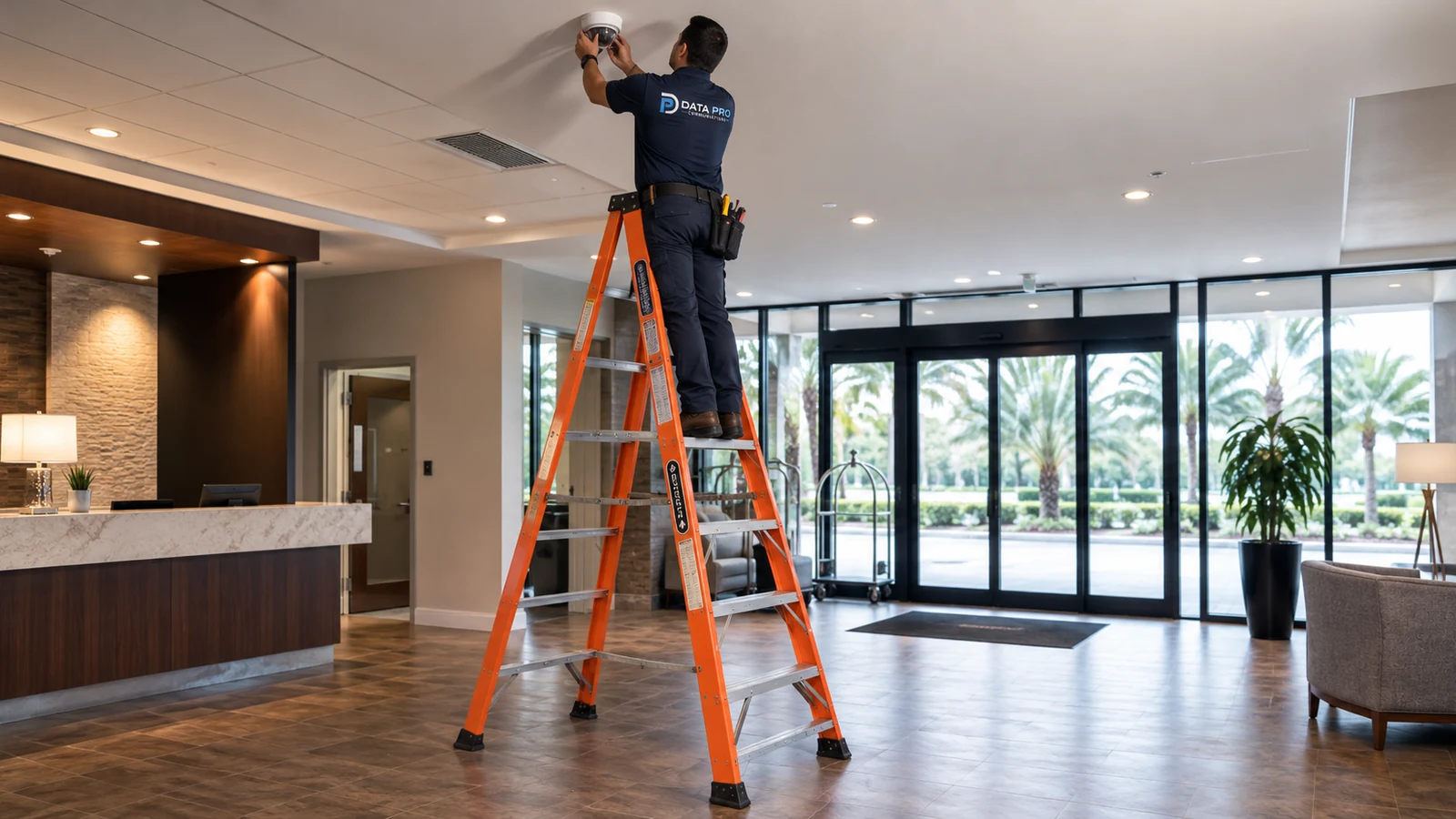
Sequence recorder, camera and cabling changes so a usable part of the existing system can remain in service during a phased upgrade.
Identify the correct telecom location, patching and PoE source rather than extending an undocumented path simply because it already exists.
Evaluate glare, signs and exterior fixtures that can affect both day and night exposure along the corridor.
Remove ambiguity from retained and new runs with camera names and patching records that match the recorder view.
PROPERTY APPLICATIONS
A rear camera should show the service door and the approach that explains how a delivery or vehicle arrived, not a tight doorway image alone.
Coverage can prioritize the direction vehicles enter and circulate when parking context is more useful than a static row of parked cars.
Night review should verify whether back-door lighting and camera exposure still produce useful movement context after the storefront closes.
A staged project can replace unsupported recording first while temporarily retaining compatible field cameras, or reverse that order when the recorder remains suitable.
Only runs that fail condition, distance or compatibility checks need to be replaced; a mixed reuse plan can be documented clearly.
A new tenant can inherit a simpler system when obsolete devices, abandoned runs and unclear credentials are resolved during the camera work.
TECHNICAL PLANNING
Test the actual coax or category path and document any adapters or intermediate points before it is approved for continued use.
Decide whether analog, IP or hybrid recording will remain during each phase so cameras are not purchased without a compatible endpoint.
Calculate power demand at the serving switch and confirm the uplink can carry the added video traffic.
Use representative exterior lighting to check whether signs, headlights or dark rear zones require different camera placement or settings.
Confirm who grants access and who owns existing active equipment before touching a landlord or tenant network space.
Camera names, cable identifiers and recorder channels should match the physical property so the next tenant or technician can trace a fault quickly.
PROJECT GUIDANCE
A Goldenrod retrofit often crosses the line between passive cable and active network equipment. The camera scope should state whether a retained coax path, a PoE switch, a tenant network or a landlord-controlled telecom room is part of the camera work, a dependency supplied by others or simply an existing condition that must be protected.
EAST ORLANDO CONTEXT
Goldenrod is treated as an Orlando commercial corridor, with camera planning shaped by mixed-age commercial spaces, rear service access, parking approaches and inherited telecom paths that must be proven before new hardware is added.
RELATED PATHS
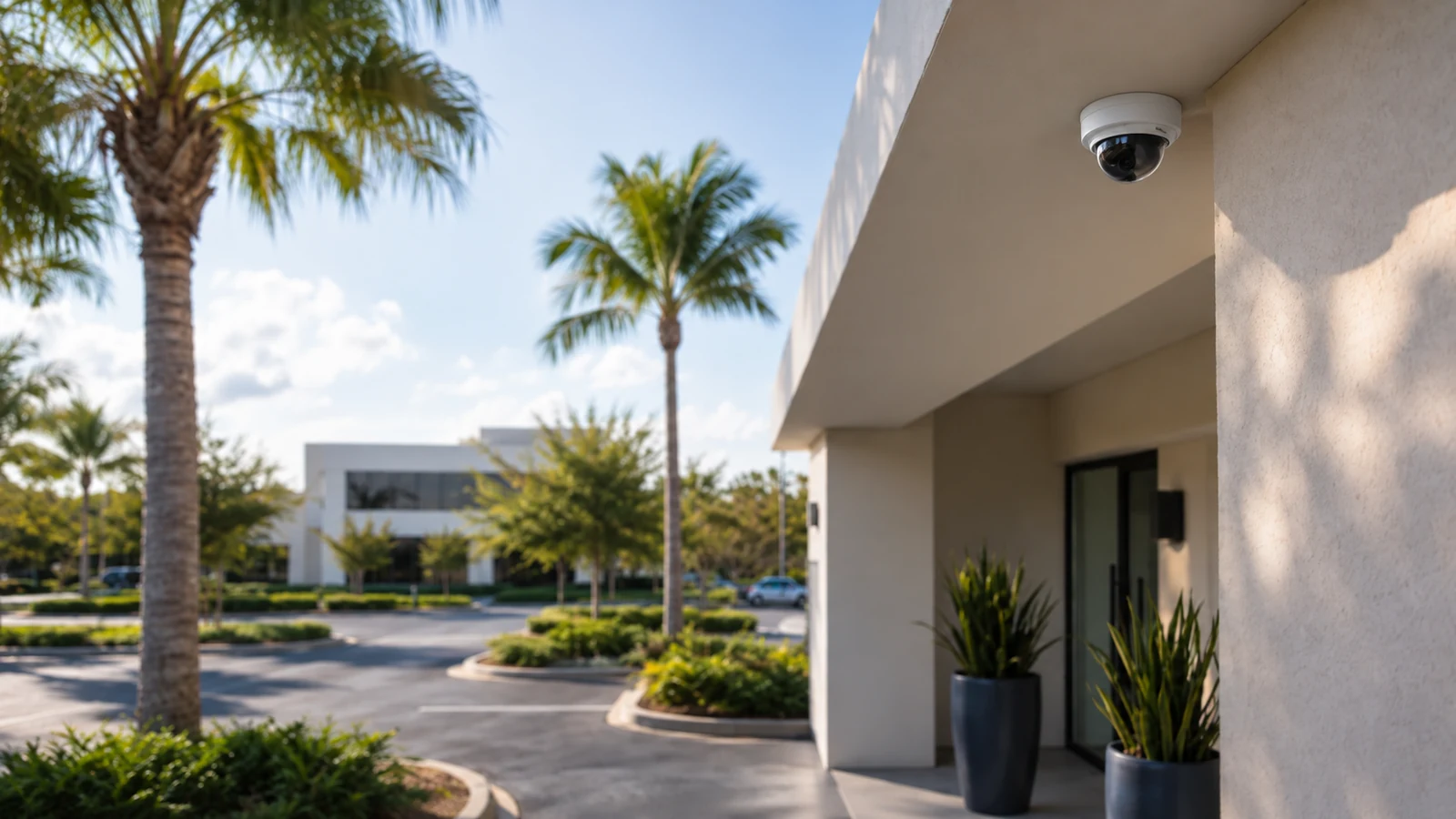
Goldenrod retrofit work frequently starts with deciding which cameras, recorder channels and cable can remain.
View Camera System Upgrades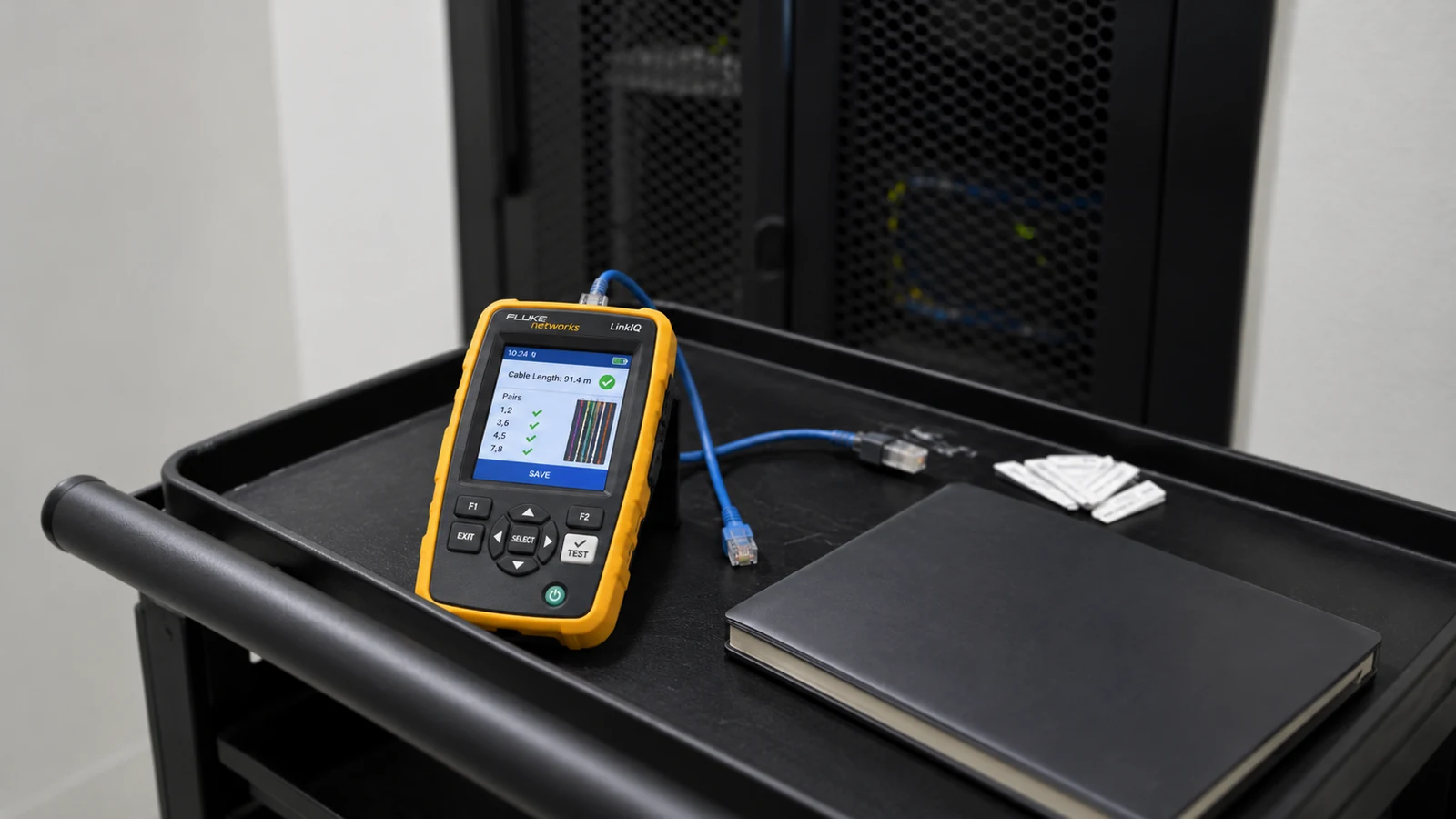
A failed corridor camera should be isolated at device, power, cable and recorder layers before replacement.
View Existing Camera Troubleshooting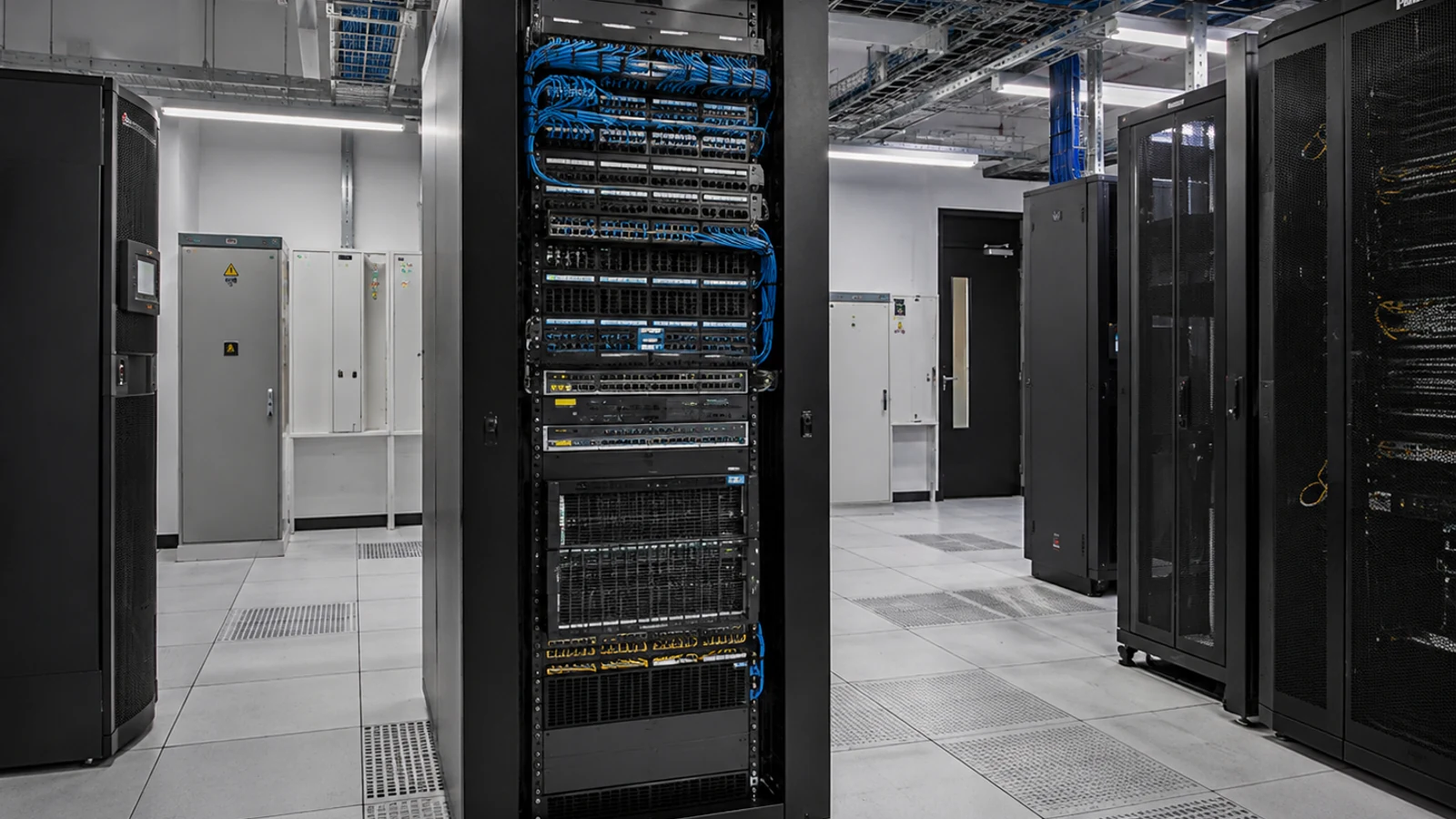
New labeled runs are useful when older tenant cabling is damaged, unknown or inaccessible.
View Cabling ServicesRELATED PATHS
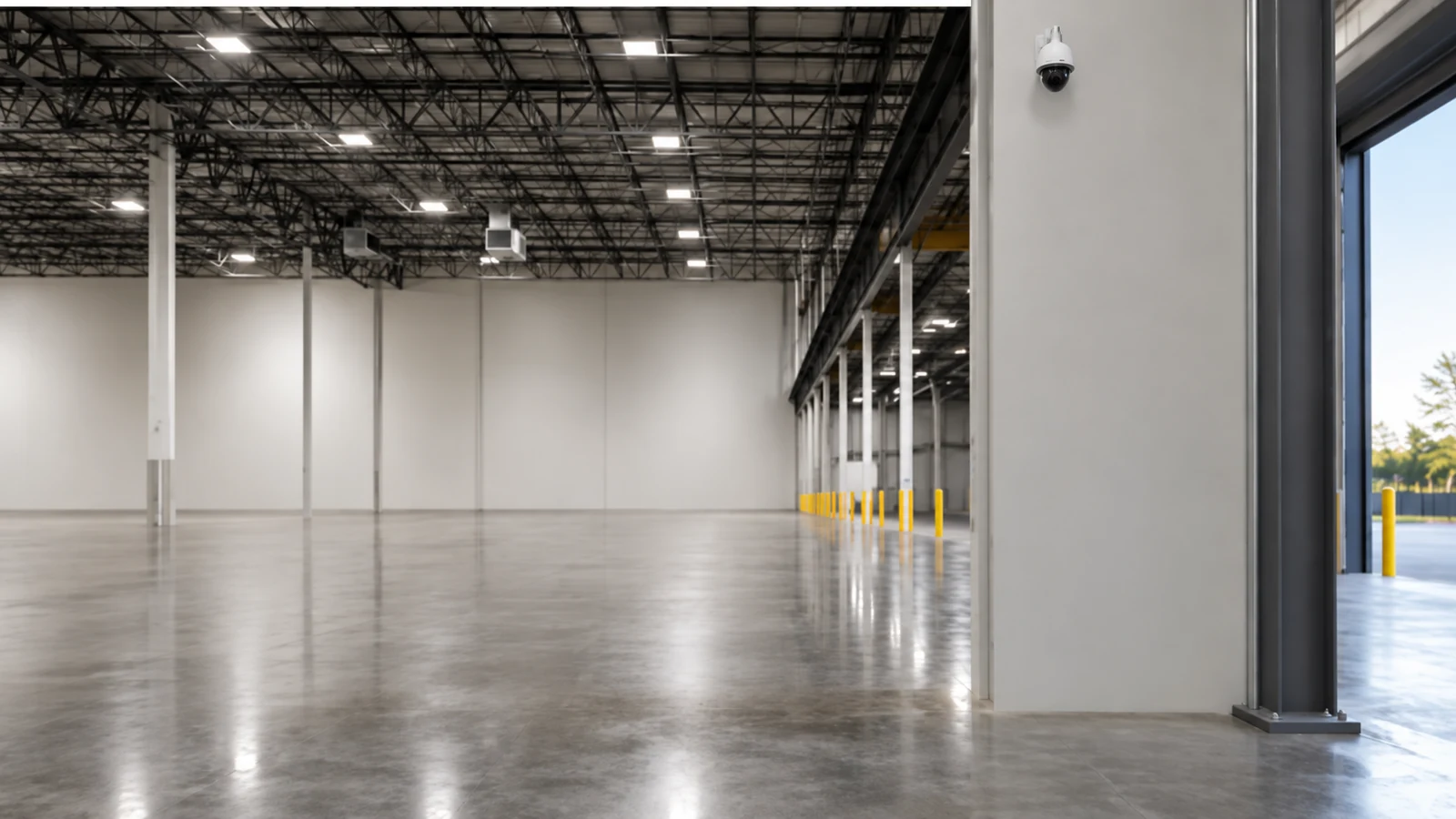
Consider East Colonial when the project shifts from a Goldenrod retrofit toward SR 50 storefront turnover, vehicle approaches, deliveries and customer-facing operations.
Explore East Colonial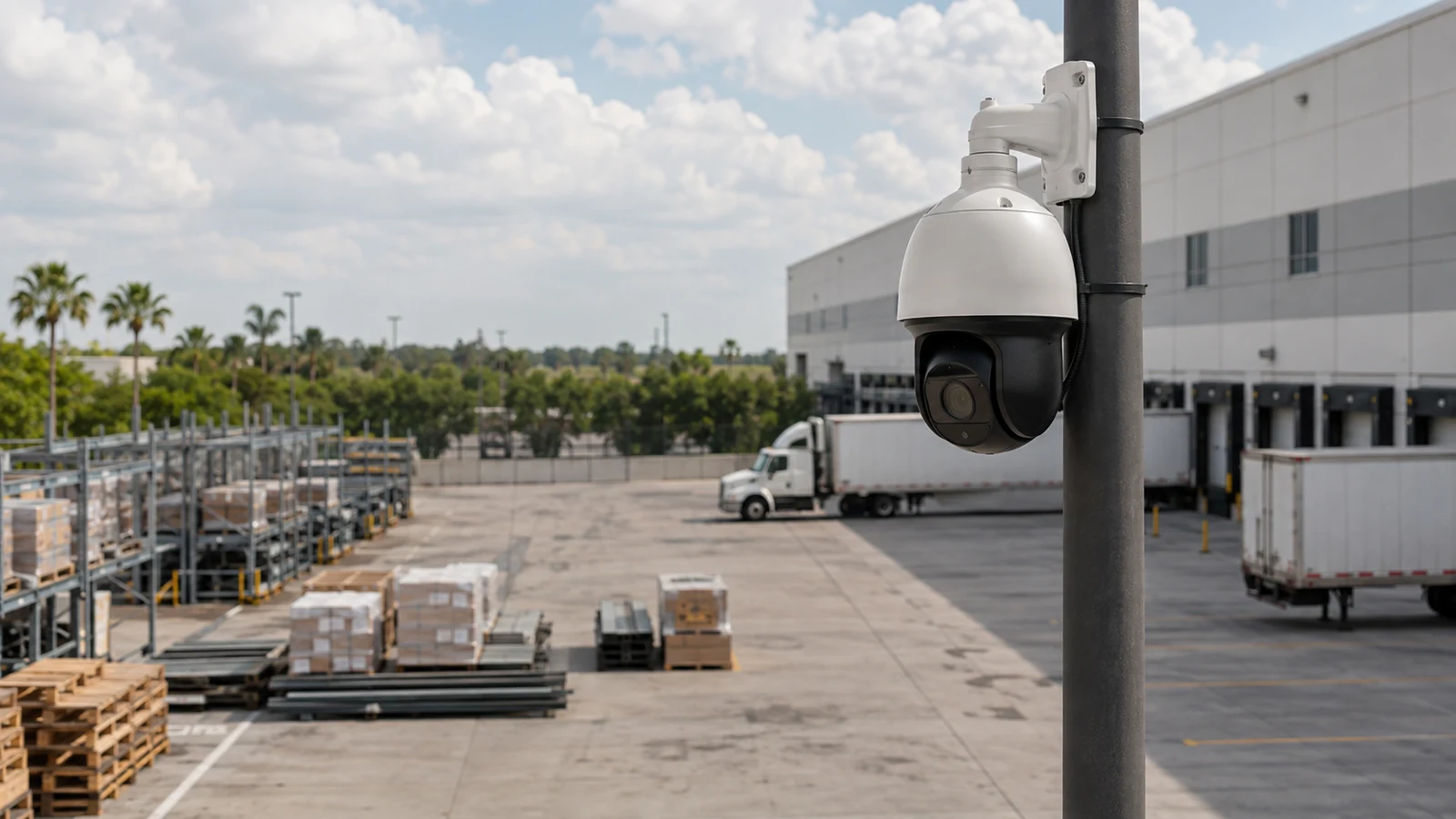
Azalea Park offers a smaller-property retrofit context that emphasizes selective reuse, modest telecom spaces and exterior or parking visibility.
Explore Azalea Park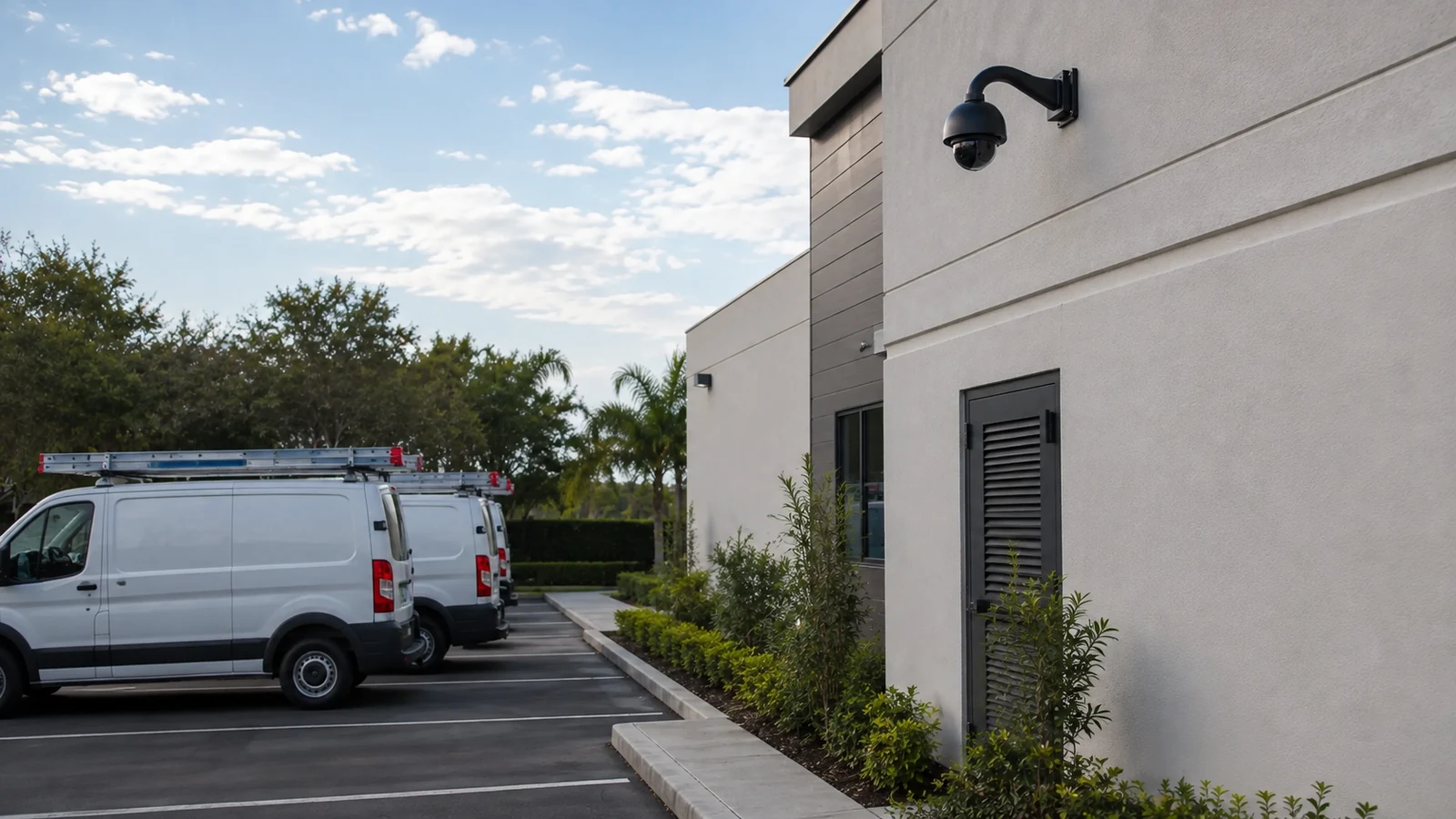
Choose Union Park instead when its characteristic neighborhood commercial or service model, exterior-perimeter emphasis, mix of older and newer systems, and occupied retrofit work better explain the site than Goldenrod conditions.
Explore Union ParkPROJECT PROCESS
Walk front, rear and parking areas while tracing the recorder, cabling and power that already serve each camera.
Keep components that test well and fit the selected architecture; isolate the pieces that create compatibility or reliability risk.
Complete recorder, camera and pathway changes in a sequence that limits unnecessary downtime for the operating business.
Verify recording after cutover, then align labels, camera names and access records with the installed condition.
LICENSED SUPPORT
Data Pro Communications operates under FL License #EC13016138. On Goldenrod corridor projects, the scope records which existing components were accepted for reuse, which items are being modernized and what access or telecom dependencies must be available for the work.
FAQ
Possibly. The recorder, channels, cabling condition and power/network path have to be reviewed as a mixed system before deciding what stays.
They are often physically separated from the customer entrance and may have different lighting, delivery activity and cable routes, so they deserve their own scene objective.
Trace and test it from the field location to the serving head-end. Do not rely on prior labels or assumptions from another tenant buildout.
Road lighting, storefront lighting, parked vehicles and exposure transitions can all change the recorded scene after dark.
No. A tenant turnover is a good time to clean up accounts, naming and documentation, but serviceable cameras and pathways can remain when they meet the new scope.
The property or landlord contact should confirm access and any rules for work in shared spaces before cable routing or switch changes are scheduled.
Test power, cabling, network or recorder input as applicable. An intermittent field fault can be mistaken for a bad camera.
Often it can, but ceiling access, customer circulation, rear deliveries and equipment downtime need to be sequenced around operations.
Label what remains, identify the serving recorder or switch, record account ownership and note any known limitations that were accepted.
When the existing recorder, cabling or some cameras are supportable and the business problem can be solved by changing only the weak or incompatible parts.
Share the Goldenrod storefront or service-property layout, rear-access concern and any equipment or cabling you hope to preserve before the retrofit survey.