
Florida Licensed
FL License #EC13016138 for low-voltage systems work.
ACTIVE SWITCHING, POE AND SEGMENTATION
Active network infrastructure determines whether IP cameras, access control, intercom, wireless and business devices receive stable connectivity and the correct administrative boundaries. The work begins with topology, traffic, power and ownership rather than a generic promise to manage IT.
Data Pro Communications reviews managed switching, PoE, uplinks, VLANs, MDF/IDF relationships and device connectivity where those functions support commercial low-voltage systems.
FL License #EC13016138 for low-voltage systems work.
Endpoint demand is compared with per-port limits and total switch power instead of inferred from open ports.
Device VLANs and permitted platform routes are documented for the approved operating model.
Traffic concentration is reviewed where edge devices converge on closet and core links.
The customer knows who owns switch, firewall, address and endpoint changes after handoff.
PROJECT GUIDANCE
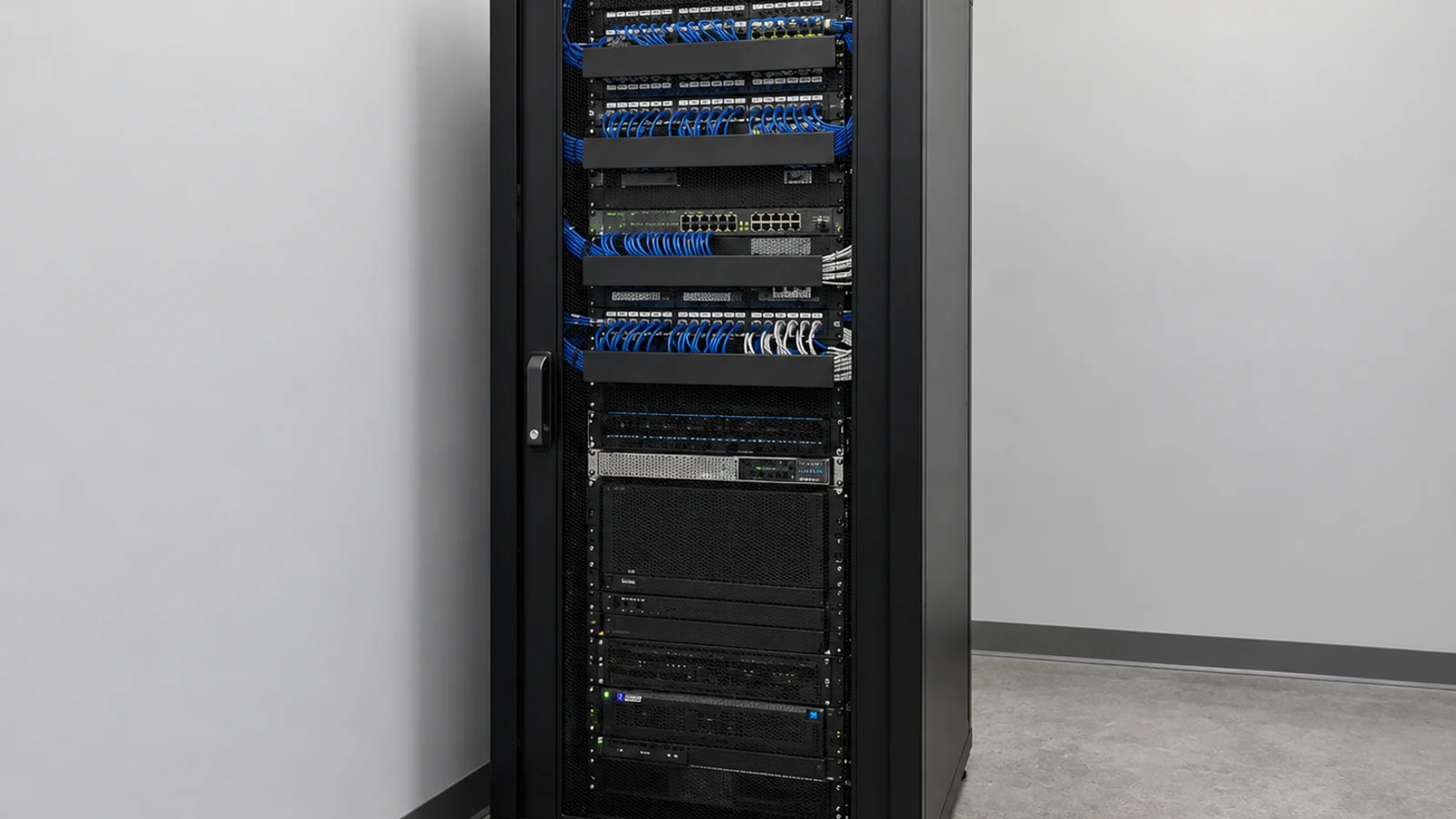
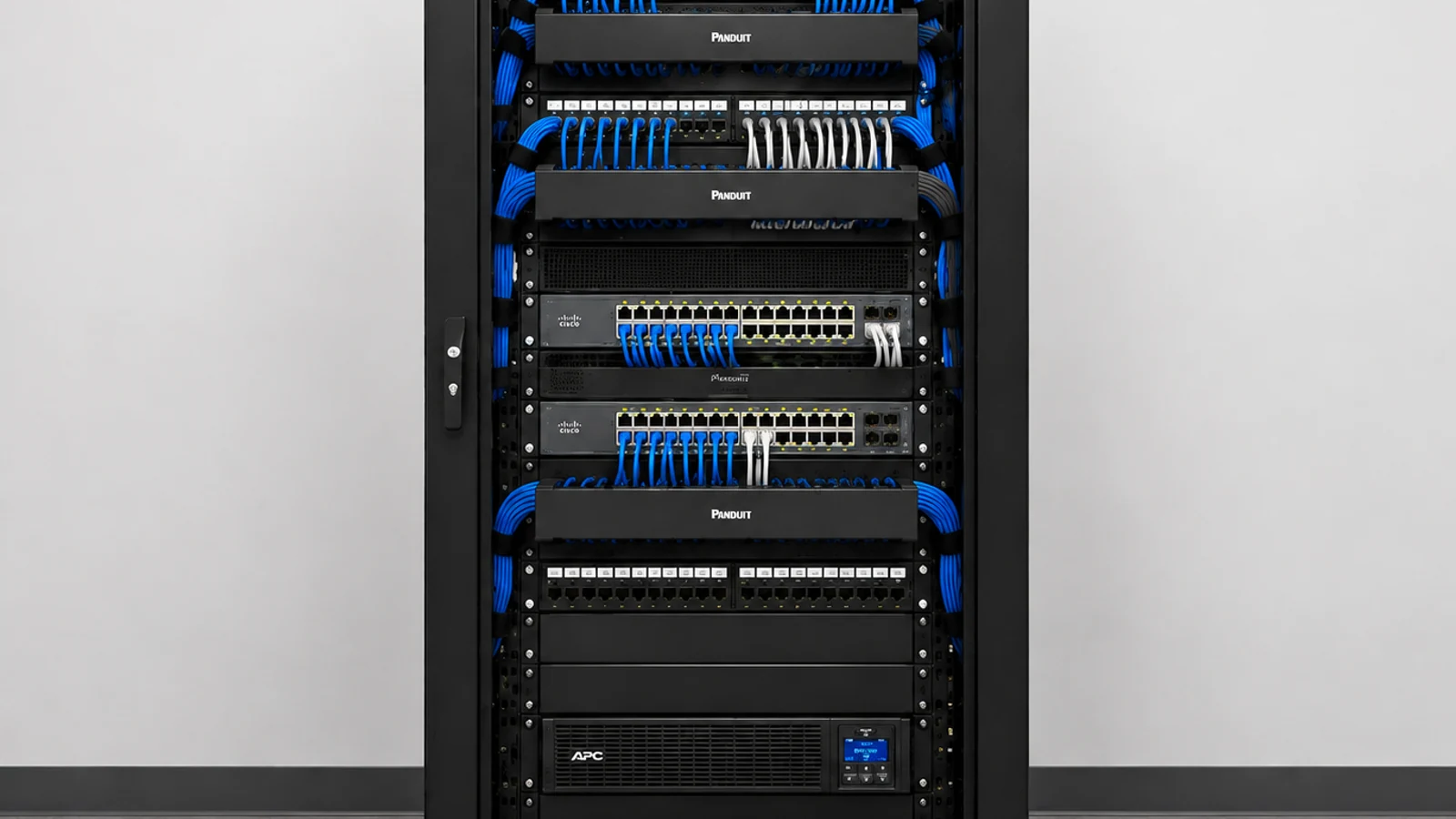
Network Solutions covers the switches and logical paths that move traffic after passive cabling is complete. The scope documents port roles, PoE demand, uplink capacity, segmentation, addressing dependencies and the boundary between Data Pro Communications, customer IT and other administrators.
PLANNING RISKS
Open ports do not guarantee sufficient power for cameras, access devices, intercom stations or wireless access points.
Traffic from multiple edge switches can converge on an uplink that was never sized for the added streams.
Placing every device in one broadcast and management domain can increase noise and expand unnecessary access.
Untracked moves, trunks or VLAN assignments make device failures harder to isolate.
Improperly connected links or unmanaged extensions can trigger instability across more than one system.
Switches, controllers and uplinks may fail differently during an outage when UPS capacity and shutdown behavior are unknown.
CAPABILITIES
Map MDF, IDF, switch, uplink and endpoint relationships before configuration changes.
Configure supported port modes, trunks, management access and device connectivity within the customer-approved design.
Calculate device demand against per-port limits and total switch power, including higher-power endpoints.
Separate device groups and management paths according to the approved security and operating model.
Assess link speed, media, aggregation and traffic concentration between closets and core resources.
Verify link negotiation, VLAN reachability, power delivery and the required path to servers, recorders or controllers.
PROPERTY APPLICATIONS
Add endpoints only after switch power, ports, uplinks and recorder traffic have been modeled.
Explore PoE camera expansionPlace cameras, access and intercom devices into defined VLANs with permitted paths to their management platforms.
Explore Segmented security networkIncrease closet capacity where additional endpoints exceed the existing uplink or media.
Explore IDF uplink refreshConnect and power approved access points while leaving broader managed-IT services outside the scope.
Explore Wireless infrastructure supportProvide stable network and time paths for controllers, readers and management services.
Explore Controlled-door connectivityDocument which devices, VLANs and administrative credentials belong to each authorized party.
Explore Multi-tenant commercial siteTECHNICAL PLANNING
Count devices by port speed, PoE class, VLAN, address method and management platform.
Map which flows stay local and which cross uplinks to recorders, controllers, servers or remote users.
Compare maximum endpoint draw with per-port and total PoE capacity, not average consumption.
Define allowed communication, management access, DNS, time and update dependencies for each device group.
Record who can change switch, firewall, DHCP, wireless and endpoint settings that affect the solution.
Identify UPS, redundant-link or recovery requirements without implying uninterrupted or unlimited network performance.
PROJECT GUIDANCE
Managed switches connect cameras, access controllers, intercoms, AV endpoints and wireless infrastructure to their approved platforms. Each device group needs explicit PoE, VLAN, uplink, time and management paths, with customer IT retaining the broader routing, firewall and administrative policy it owns.
EAST ORLANDO CONTEXT
East Orlando commercial properties may combine older telecom rooms near Goldenrod with expanding device counts around Waterford Lakes, the UCF area and newer southeast corridors. A network review should follow the actual closet topology, uplink media and customer IT boundary rather than treating every site as a single flat LAN.
RELATED PATHS
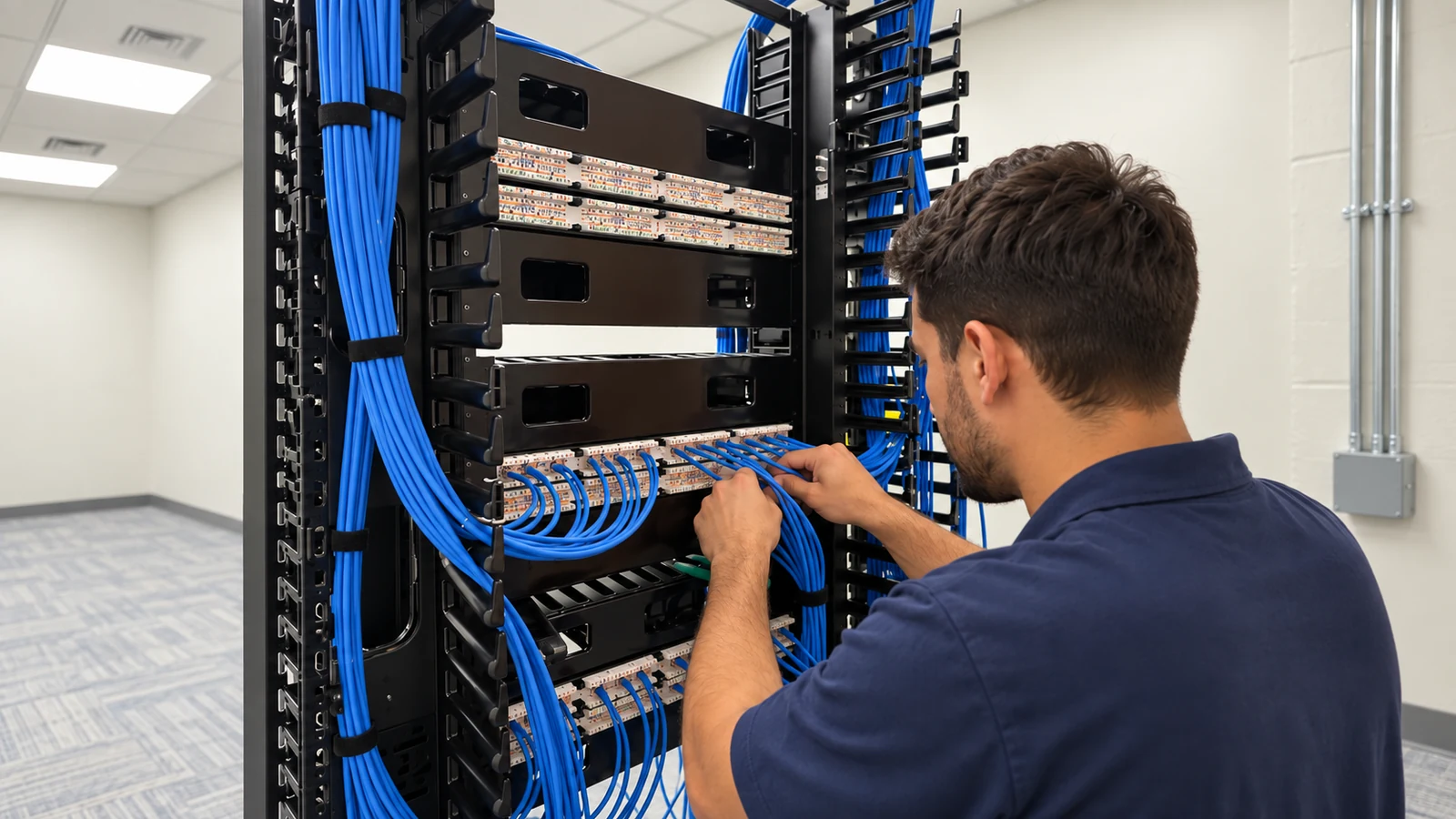
Managed devices still depend on tested passive copper from the rack to the endpoint.
View Cabling Services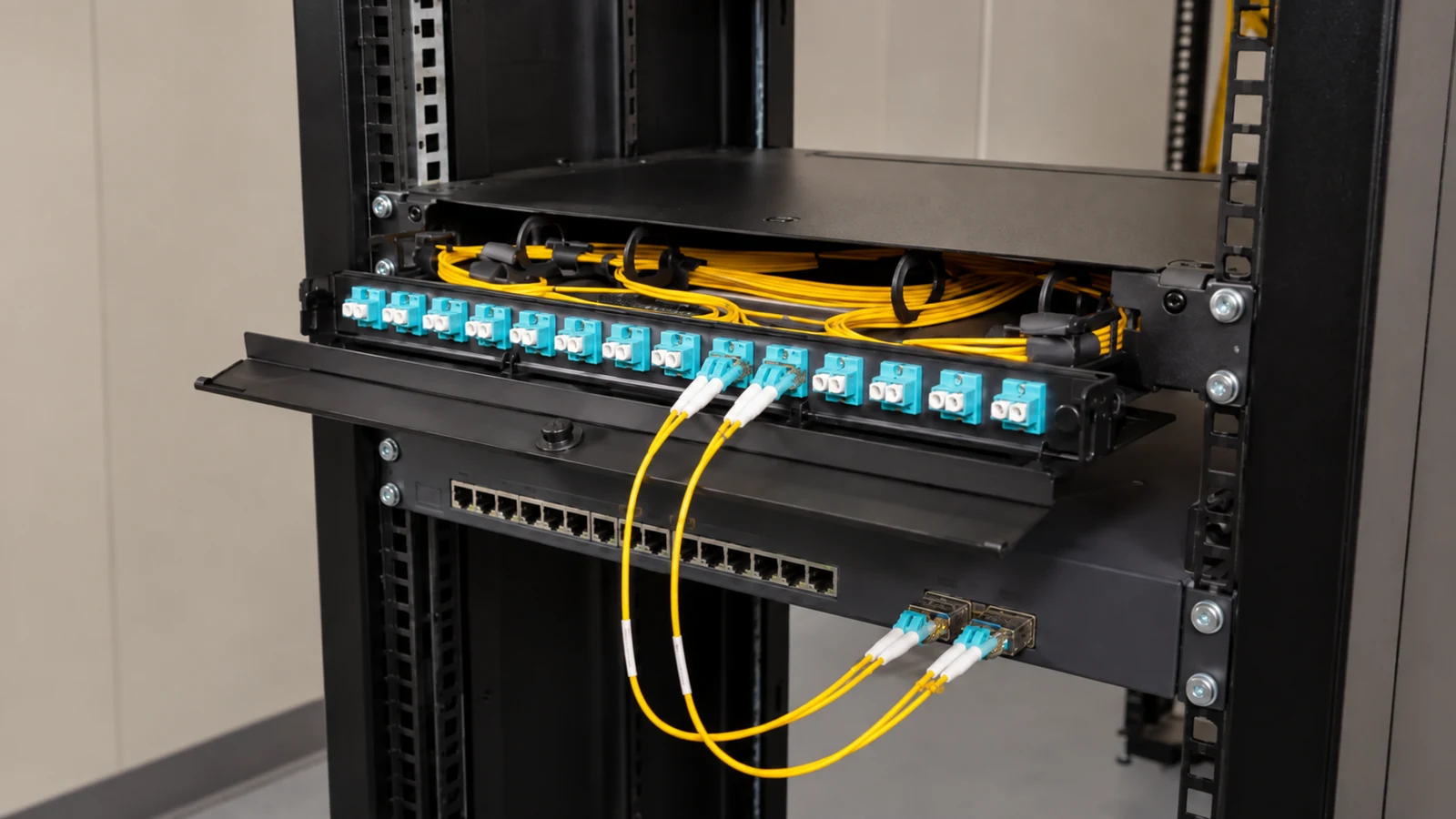
Optical uplinks connect closets or buildings when copper reach and aggregate capacity are insufficient.
View Fiber Optic Services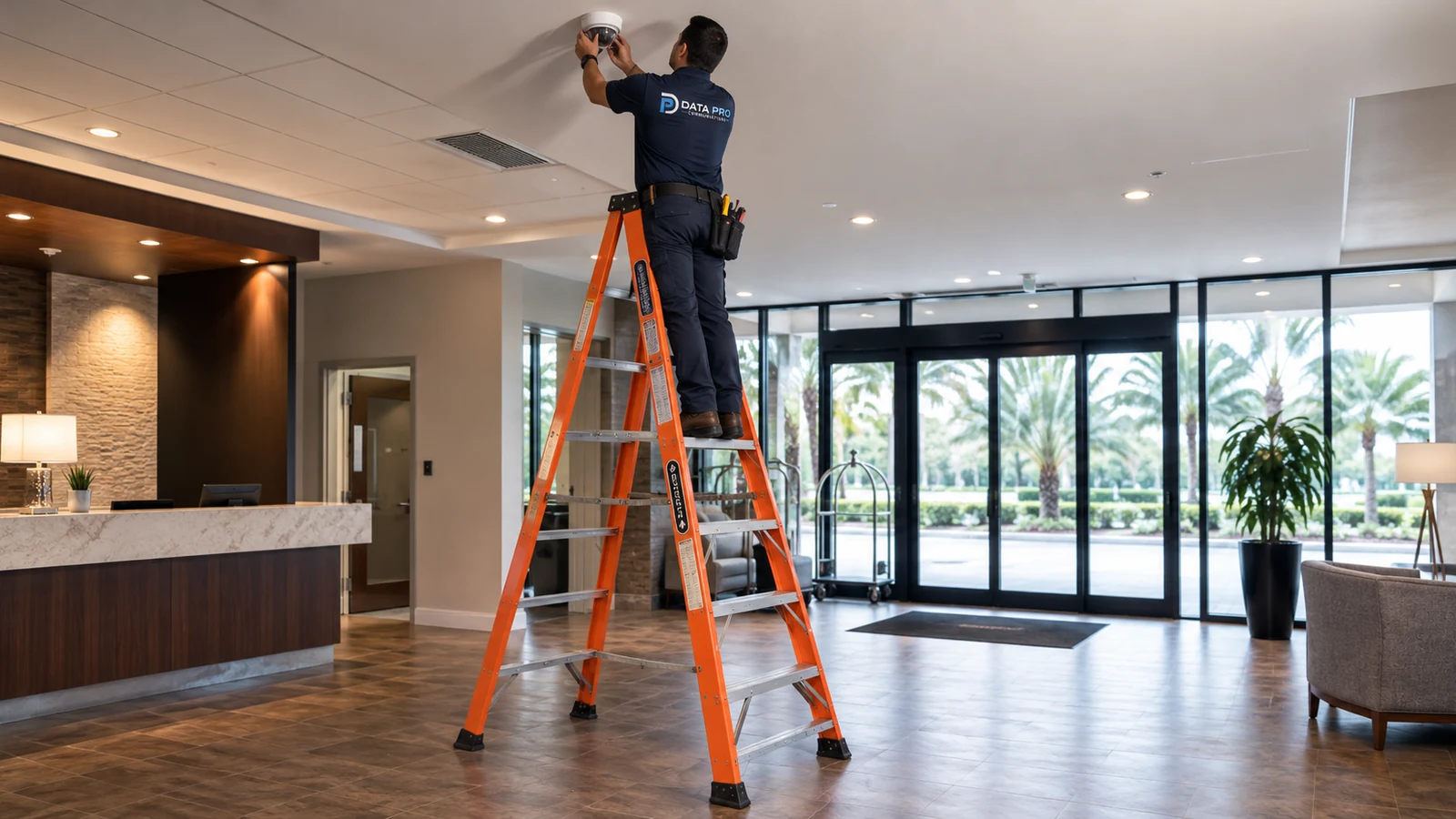
IP video defines camera streams and recording needs that the active network must transport.
View IP Video SurveillanceRELATED PATHS
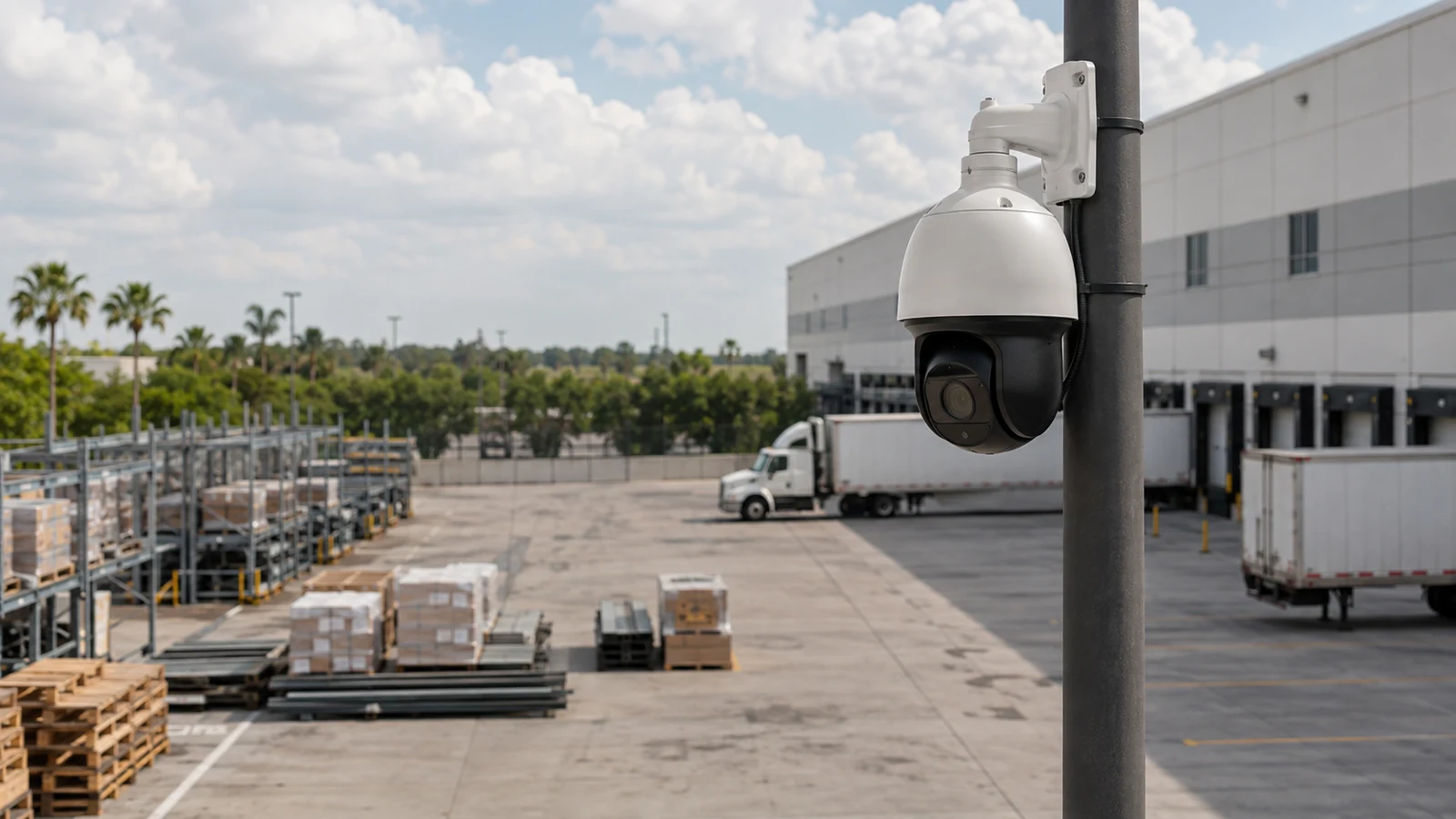
PoE, VLAN and uplink models are essential when many video streams share the edge network.
Explore Camera-Dense Properties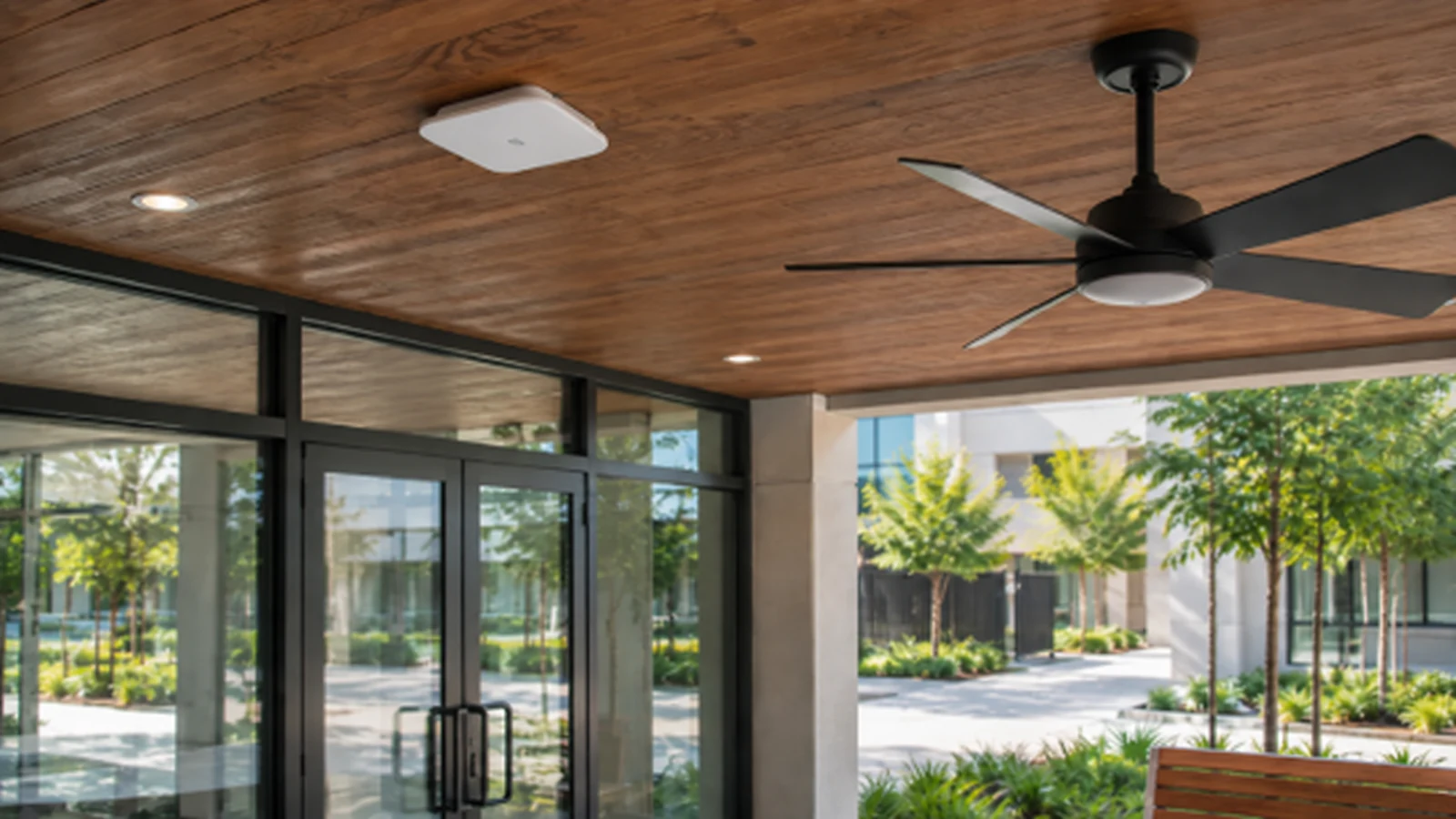
Named administrative boundaries reduce accidental changes across tenants or vendors.
Explore Managed Commercial SitesMDF/IDF topology and backbone capacity shape device expansion.
Explore Multi-Closet FacilitiesPROJECT PROCESS
Map switches, uplinks, VLANs, PoE endpoints and the administrators responsible for each layer.
Calculate ports, power and traffic, then define the logical boundaries required by the devices.
Apply supported switch, uplink and VLAN settings within the documented change window.
Test power, link, segmentation and platform reachability, then deliver the updated topology and port record.
LICENSED SUPPORT
Data Pro Communications operates under FL License #EC13016138. Active network work is documented through topology, port roles, PoE demand, VLAN assignments, uplink paths and clear customer administrative ownership.
FAQ
Add the maximum supported draw for the connected endpoints and compare it with each port limit and the switch total PoE budget. Reserve for planned growth and higher-power devices.
An access port normally carries one assigned VLAN to an endpoint. A trunk carries multiple tagged VLANs between network devices or to equipment designed to process those tags.
Segmentation is considered when device isolation, traffic control, management boundaries or customer security policy requires it. The permitted paths to recorders, controllers and required services must remain explicit.
Possibly. Check port speed, PoE standard, total power, VLAN features, uplink capacity, firmware support and recorder-path traffic before adding the cameras.
The port may have the wrong VLAN, the device may have an address or gateway problem, a route or firewall may block the path, or the management platform may lack valid credentials.
Aggregate traffic from edge ports, backups, video streams or wireless clients can exceed the practical uplink capacity. Utilization and traffic direction should be reviewed at the busy periods.
The page covers active infrastructure that supports commercial camera and low-voltage systems. Desktop support, cloud administration, cybersecurity operations and general help-desk services require separate authorization.
A UPS may keep selected switches, controllers or uplinks online during short power events, but runtime depends on actual load, battery condition and which devices are connected.
Yes. A useful record identifies switch, port, connected device, VLAN or trunk role, PoE status, uplink relationship and the administrator responsible for future changes.
Test endpoint power and link, intended VLAN membership, permitted platform reachability, uplink behavior and representative device functions without assuming a ping proves the whole workflow.
Bring the current topology, switch inventory, PoE loads, uplinks and device groups to the network review. The next step can address active capacity and segmentation without absorbing general IT support.