
Florida Licensed
FL License #EC13016138 for low-voltage systems work.
DOCK, YARD, AISLE AND VEHICLE WORKFLOWS
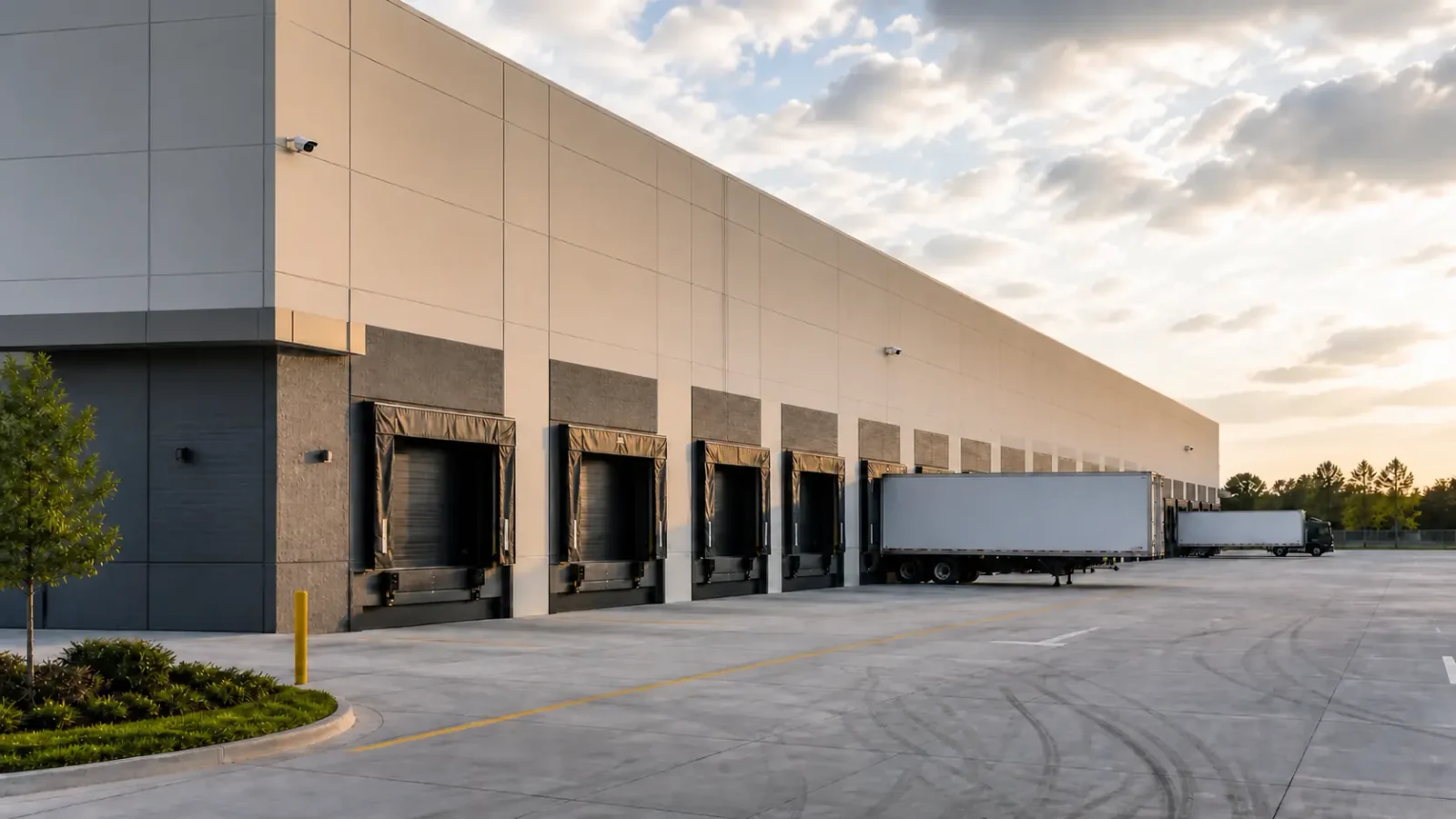
Warehouse video must follow movement: vehicles enter, trailers reach dock positions, goods cross staging areas and inventory moves into or out of aisles. Racking, doors and parked equipment can hide the exact transitions that operations teams need to review.
High mounting, long cable routes and distant yards make infrastructure part of the camera decision. Telecom-room location, lift access, PoE, uplinks, fiber and recorder capacity should be evaluated before devices are assigned.
FL License #EC13016138 for low-voltage systems work.
Camera groups are planned around the full distribution sequence.
Mounting choices include the method and window for future access.
Closets, uplinks and fiber paths are documented with the camera zones they carry.
Names, timestamps and exports support cross-zone operational review.
PROJECT GUIDANCE
The camera plan should connect gate arrival, yard movement, dock approach, loading, staging and interior travel without pretending one high, wide view supplies every detail. Shift leaders and authorized managers also need clear timestamps, camera names and export steps when reviewing a sequence across zones.
PLANNING RISKS
Large moving and stored objects can block dock doors, staging lanes and aisle intersections.
A camera that requires a lift for focus or repair needs a practical maintenance window.
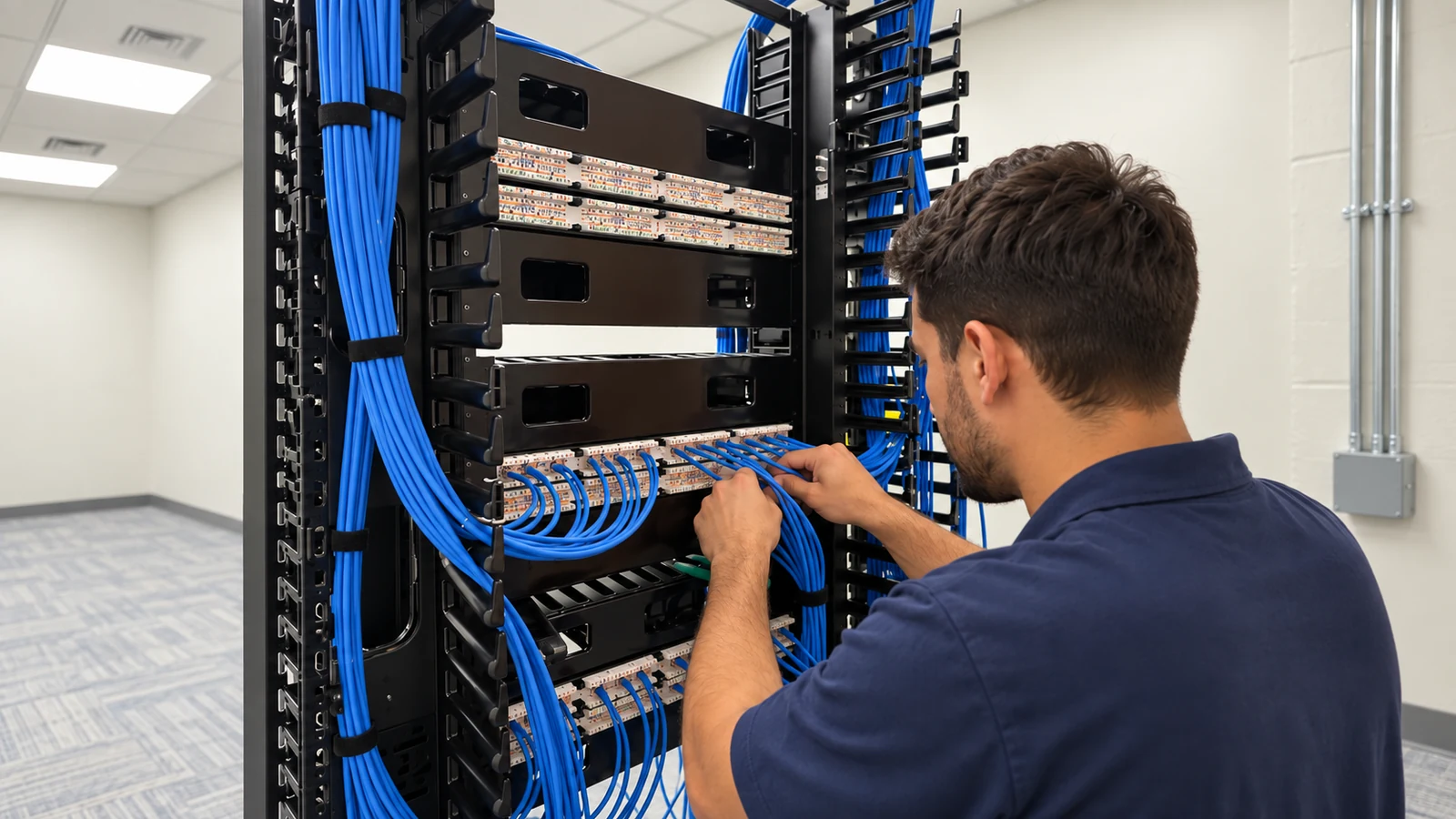
Docks, gates and remote building edges may exceed horizontal Ethernet reach.
Headlights, deep shadows, weather and changing trailer positions affect exterior scenes.
Many camera streams can converge on an IDF or backbone not sized for the added traffic.
Shared logins weaken auditability and make export responsibility unclear.
CAPABILITIES
Map approach, door position, trailer interface and load movement for each active dock group.
Plan vehicle lanes, queuing, perimeter transitions and supported gate context.
Select positions and safe service access around structure, lighting and racking.
Locate camera drops, closet capacity, PoE resources and aggregate uplink paths.
Use optical links for distant zones or buildings where copper is unsuitable.
Name cameras by operational zone and verify multi-camera playback and export across a timeline.
PROPERTY APPLICATIONS
Connect gate entry, yard route, dock assignment and final approach.
Follow goods from staging through the dock opening to the trailer interface.
Use directional views that account for racks, forklifts and changing inventory height.
Cover vehicle and pedestrian movement across selected lanes and access points.
Carry camera traffic from a guard post or detached storage area over a documented backbone.
Recheck uplinks, storage and camera obstruction when temporary staging changes the floor.
TECHNICAL PLANNING
Higher positions widen context but reduce subject detail and complicate maintenance.
Map each camera group to the correct IDF or enclosure before routing cable.
Estimate simultaneous camera traffic across uplinks used by other operational systems.
Match PoE, surge strategy and environmental protection to the installed location.
Account for camera count, bitrate, continuous shift recording and retention goals.
Document who supplies access equipment and when a dock or aisle can be taken out of service.
PROJECT GUIDANCE
Dock and yard cameras depend on edge switches, IDF uplinks, fiber and sometimes gate access events. Each interface should retain a named owner so a video problem is not confused with an access or backbone fault.
EAST ORLANDO CONTEXT
East-side commercial and distribution properties near the Orlando Executive Airport area, Lee Vista and southeast Orlando can combine long yards, detached service points and multi-shift activity. Local relevance comes from the actual dock and backbone layout, not from implying any airport or logistics client relationship.
RELATED PATHS
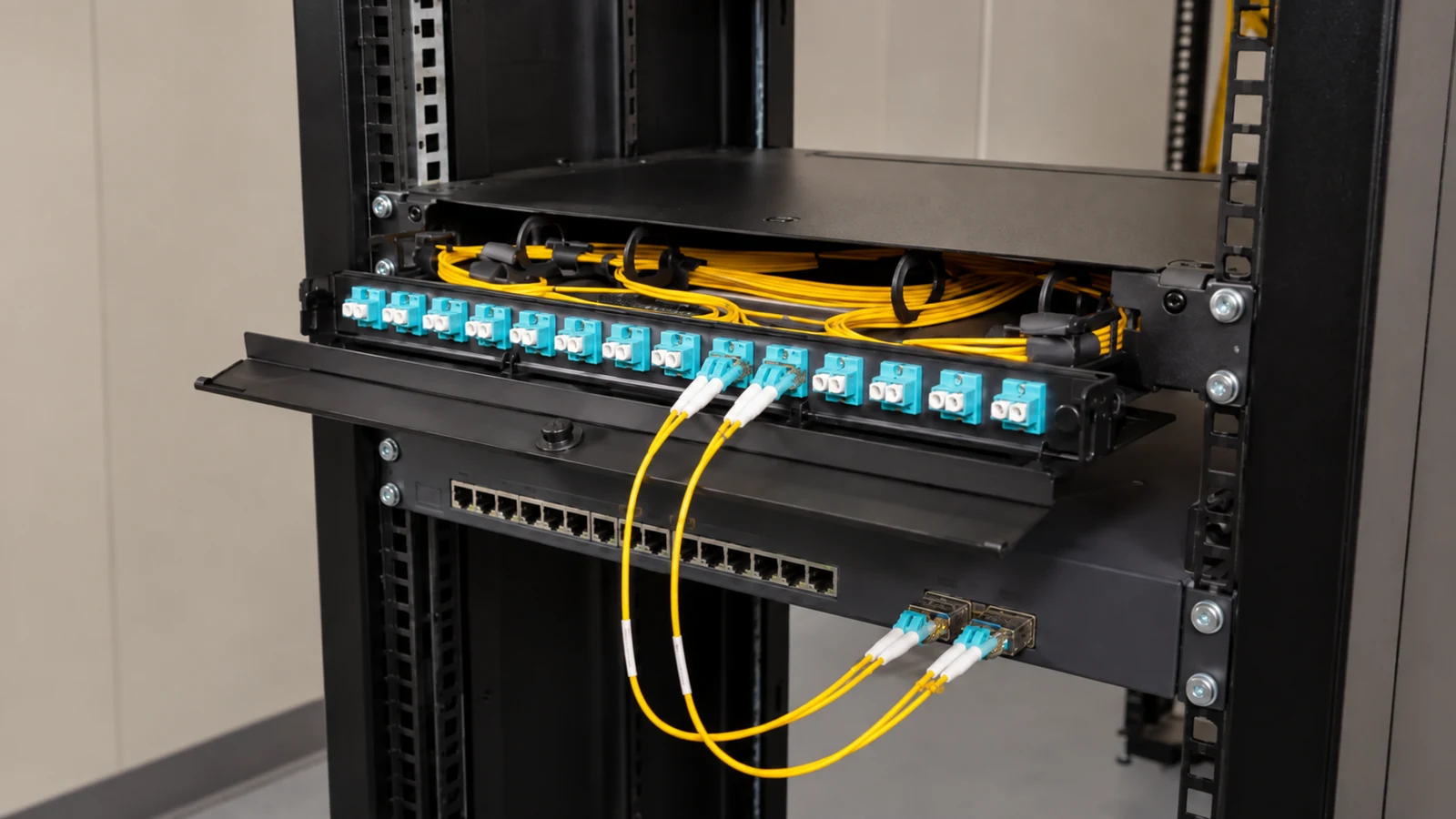
Distant docks, gates, IDFs and outbuildings may require an optical backbone.
View Fiber Optic Services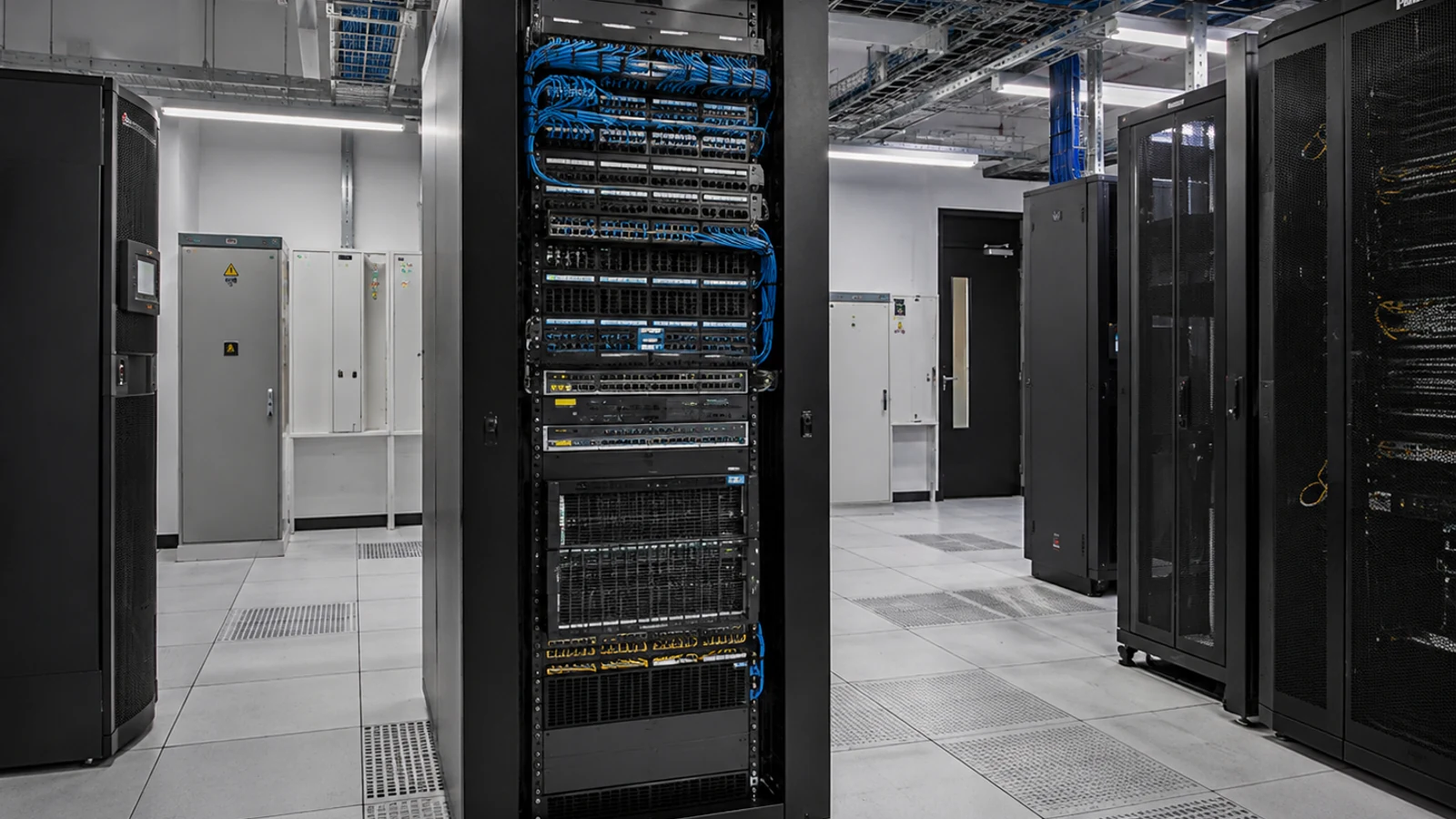
PoE capacity, segmentation and uplinks carry dense camera groups from edge closets.
View Network Solutions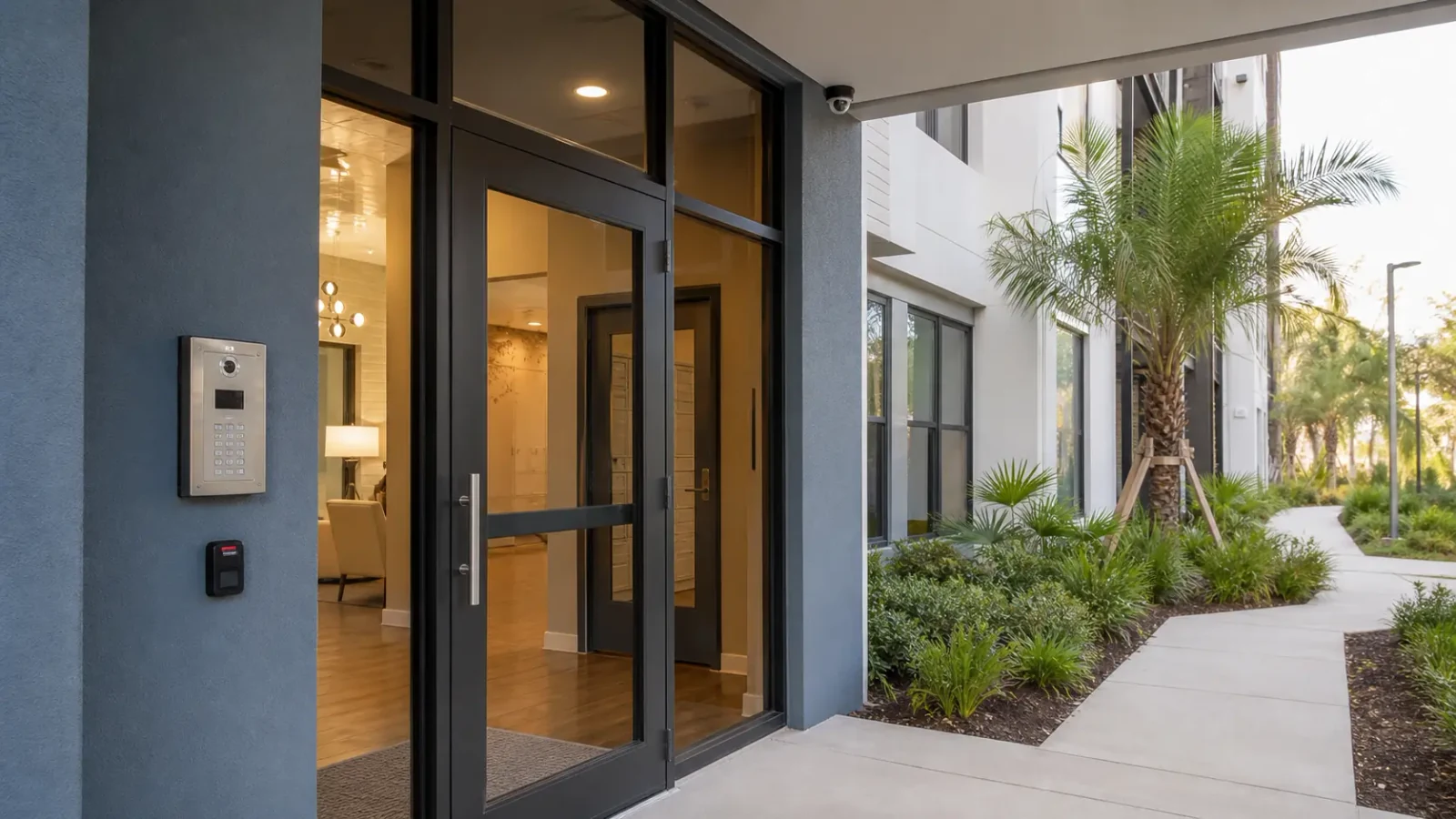
Employee, driver and gate workflows may add controlled-entry events to dock or yard review.
View Access Control SystemsRELATED PATHS
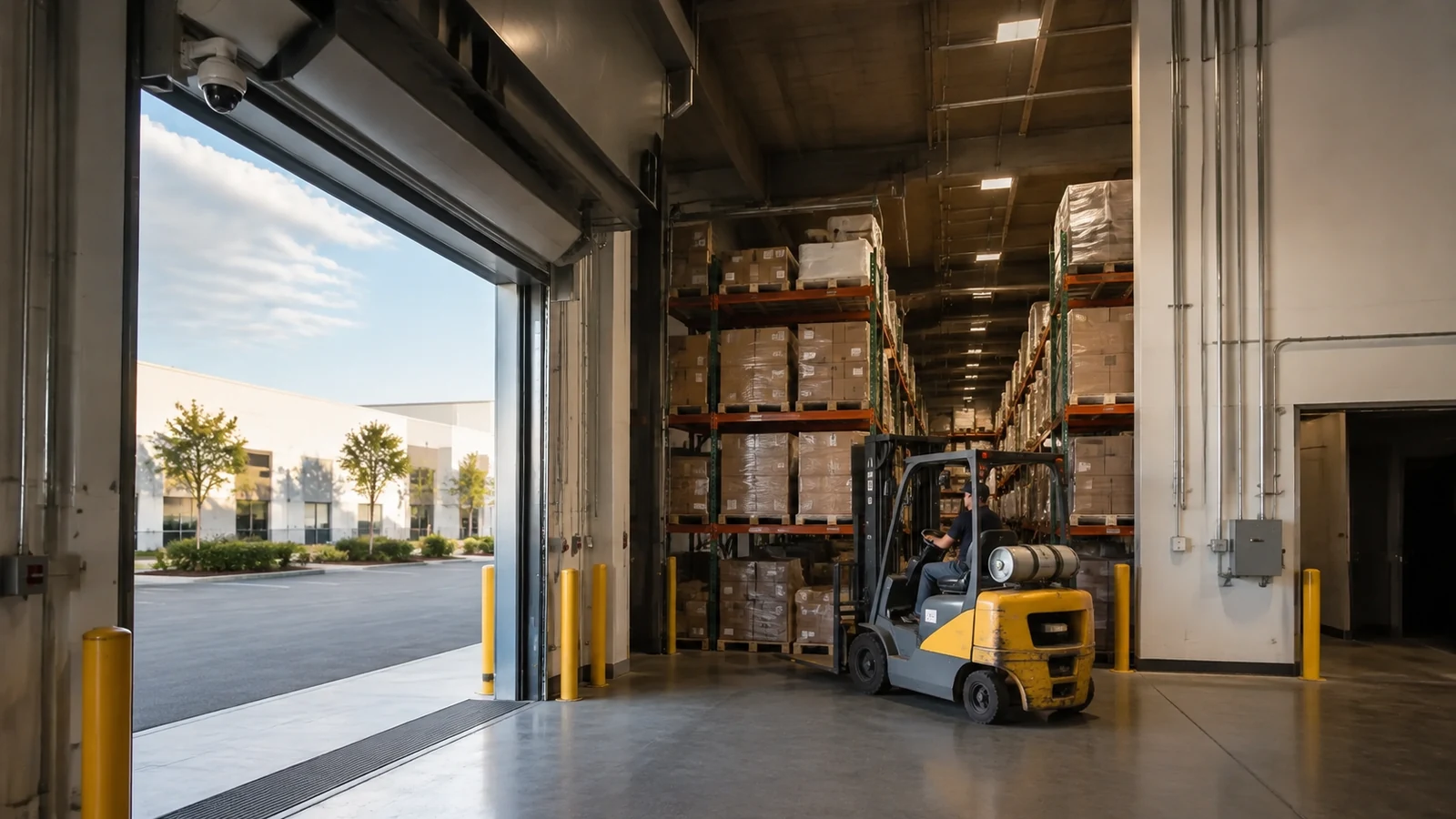
Shares yards and high spaces, but industrial work is driven by process and environmental exposure rather than distribution flow.
Explore Industrial Properties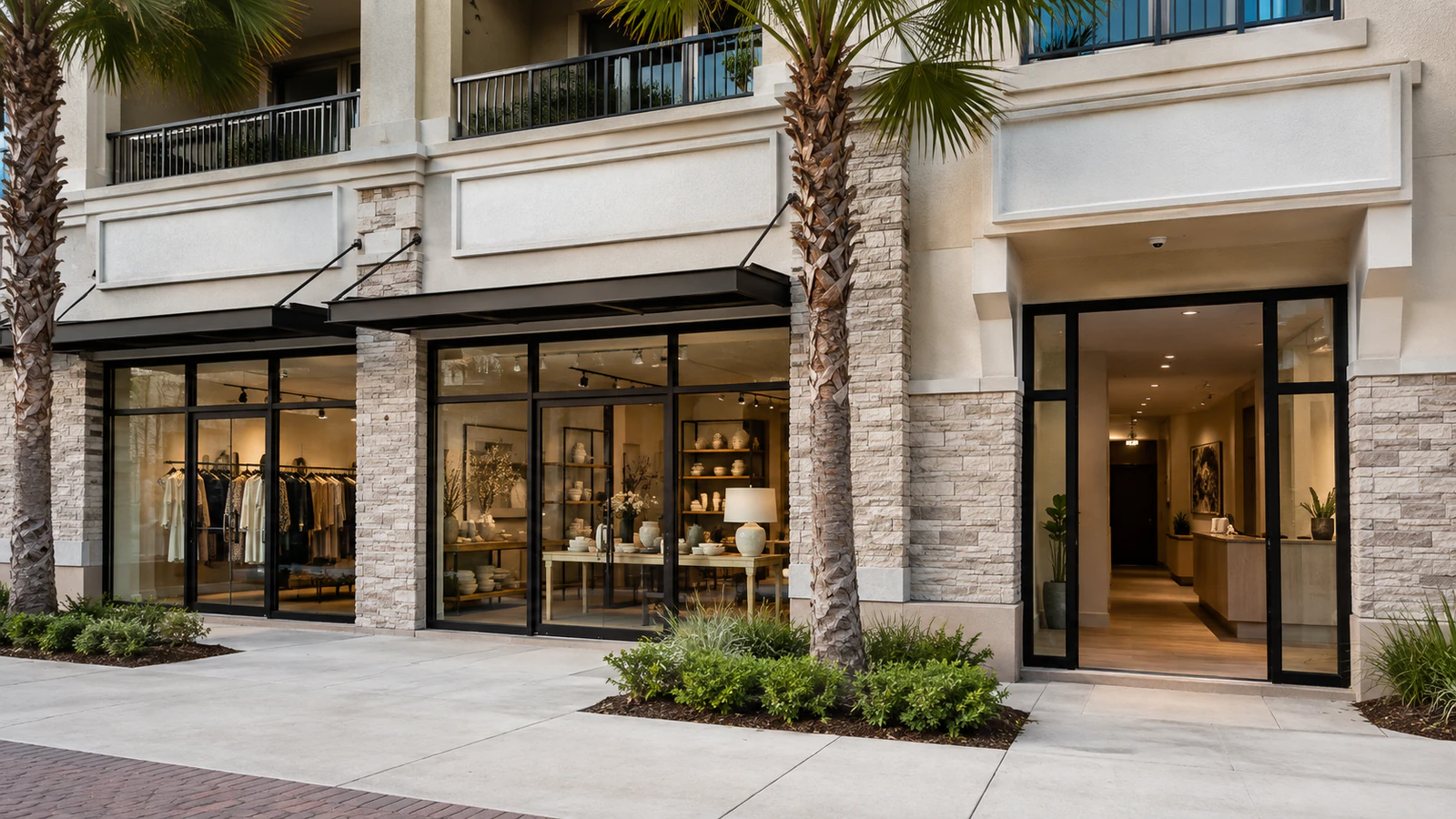
Receiving transitions exist at smaller scale, with more finished-space and customer-facing constraints.
Explore Retail & Offices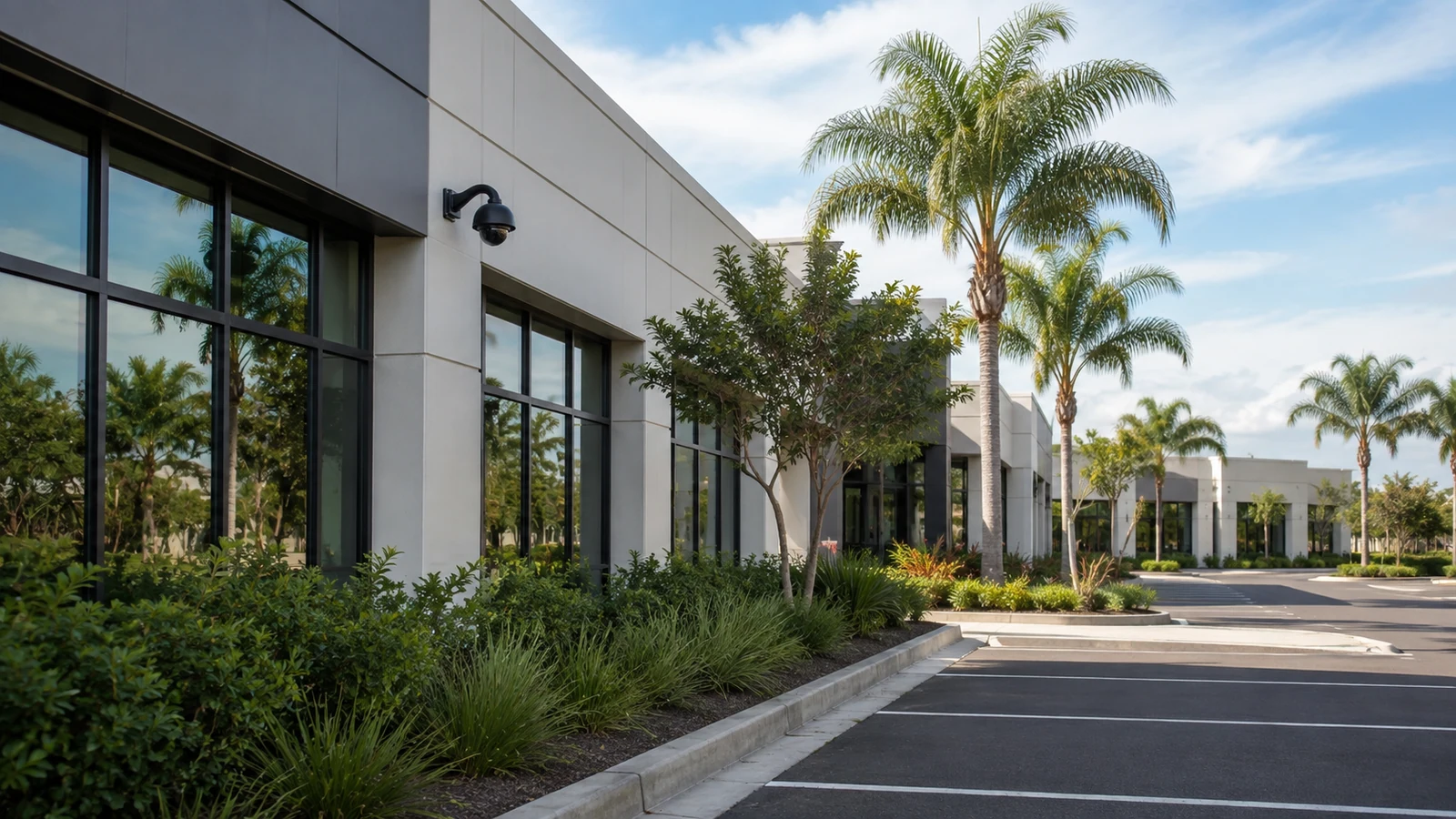
Portfolio standards can govern accounts and lifecycle across several logistics properties.
Explore Property ManagersPROJECT PROCESS
Walk gates, yards, docks, staging and aisles with operations staff.
Confirm heights, obstructions, closets, copper reach, fiber and power.
Coordinate lifts, lane closures and cutovers by dock group or shift window.
Validate time, camera names, cross-zone playback and export with an authorized operator.
LICENSED SUPPORT
Data Pro Communications operates under FL License #EC13016138. Warehouse work records dock and yard scenes, high-bay access, closet topology, backbone interfaces and the shift-aware acceptance sequence.
FAQ
Racks can block long views and change aisle intersections. Recheck the scene after layout or inventory-height changes rather than assuming the original angle remains useful.
Fiber is often appropriate between buildings, distant IDFs, gates or large facility zones where copper reach or aggregate uplink capacity is limiting.
It may provide overview, but trailer position, door structure and distance can hide individual loading events. Additional directional views may be required.
Confirm structure, viewing angle, lighting, lift placement, aisle closure, cable route and the future method for cleaning or replacement.
Review vehicle direction, headlight approach, fixed lighting, dark backgrounds and weather exposure during relevant operating periods.
The customer network design determines segmentation. Camera PoE, VLAN, uplinks, administration and recorder paths should be explicitly documented.
Use stable operational labels tied to dock, yard lane, gate or staging zone so staff can follow an event without guessing from generic device numbers.
Camera count, bitrate, frame rate, resolution, recording mode, motion level, operating schedule and retention goal determine usable storage demand.
Work can be phased, but lift zones, overhead work and cable routes require approved dock or aisle access windows that protect ongoing operations.
Replay a realistic gate-to-dock or staging-to-trailer sequence, verify timestamps and exports, and inspect exterior or shift lighting relevant to the accepted views.
Bring the dock, yard and closet layout, mounting heights, shifts and existing camera or backbone records into one logistics survey.