
Florida Licensed
Data Pro Communications operates under FL License #EC13016138 for low-voltage systems work.
AIRPORT-ADJACENT COMMERCIAL CAMERA PLANNING
Lee Vista and airport-adjacent commercial properties can run long hours and move people, vehicles and deliveries through separate access points. Camera and low-voltage planning follows those commercial workflows without implying airport-authority or aviation-security work.
Airport-adjacent Lee Vista work is commercial property work. Parking, loading, staff access and long operating hours can drive network or fiber decisions, but the scope remains separate from airport authority, TSA, airside or aviation-security functions.
Data Pro Communications operates under FL License #EC13016138 for low-voltage systems work.
Service applies to airport-adjacent commercial properties and does not represent TSA, airside, airport-authority or aviation-security work.
Large parking, loading or multi-building areas are mapped to their real telecom and uplink paths before devices are assigned.
Maintenance and installation windows are discussed with property management instead of assuming an empty site.
Remote switches, fiber or uplinks are labeled so a lost link can be distinguished from several camera failures.
PROJECT GUIDANCE
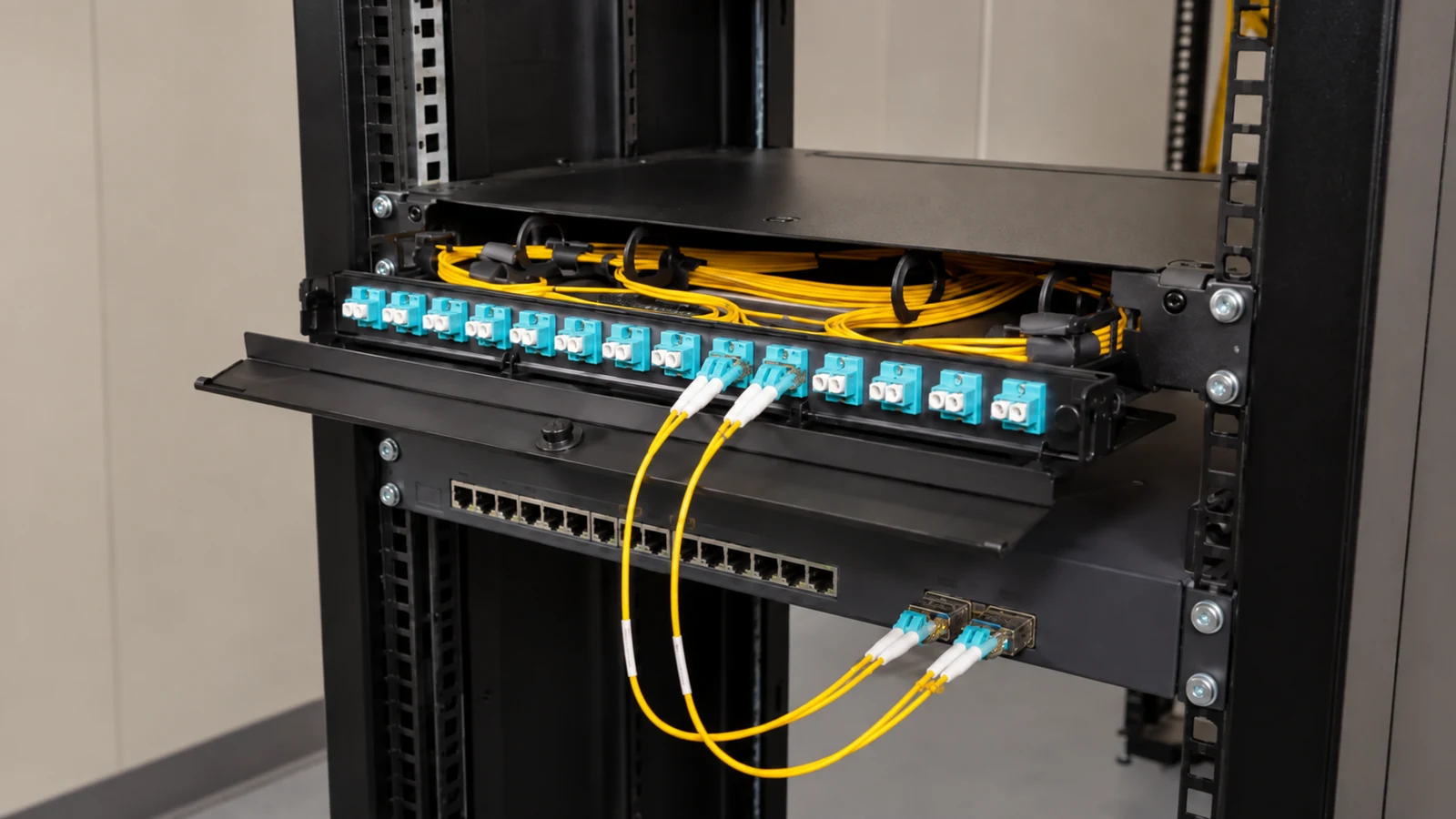
Along the Orlando International Airport / Lee Vista corridor, camera planning must account for long operating hours, vehicle movement and the infrastructure distances between active areas. Those conditions require property-specific field planning rather than a generic installation checklist. Commercial properties in the Orlando International Airport / Lee Vista corridor can combine long operating hours, employee entrances, parking, deliveries and frequent vehicle movement. The camera plan should follow those property workflows and infrastructure distances without implying work for airport authorities, TSA, airside operations or any aviation-security program.
PLANNING RISKS
Parking or service areas can sit far from the recorder, making copper distance, remote switching or fiber part of the surveillance design.
A wide scene can become visually busy when vehicles, deliveries and employees move at the same time, reducing the value of generic overview placement.
A distant telecom location may need its own power, switch capacity and uplink plan rather than long homeruns back to one room.
Installation and maintenance may need to avoid shift changes, deliveries or guest/customer activity depending on the property.
Continuous or frequent-motion recording across active exterior areas can consume storage faster than a low-activity office system.
The location name can create false assumptions if the copy does not clearly separate private commercial property work from airport authority or airside systems.
CAPABILITIES
Break the property into camera zones tied to practical telecom, power and uplink points instead of forcing every run to a single recorder room.
Use the property’s approved backbone or a dedicated link when copper distance or aggregate video traffic makes a local switch more appropriate.
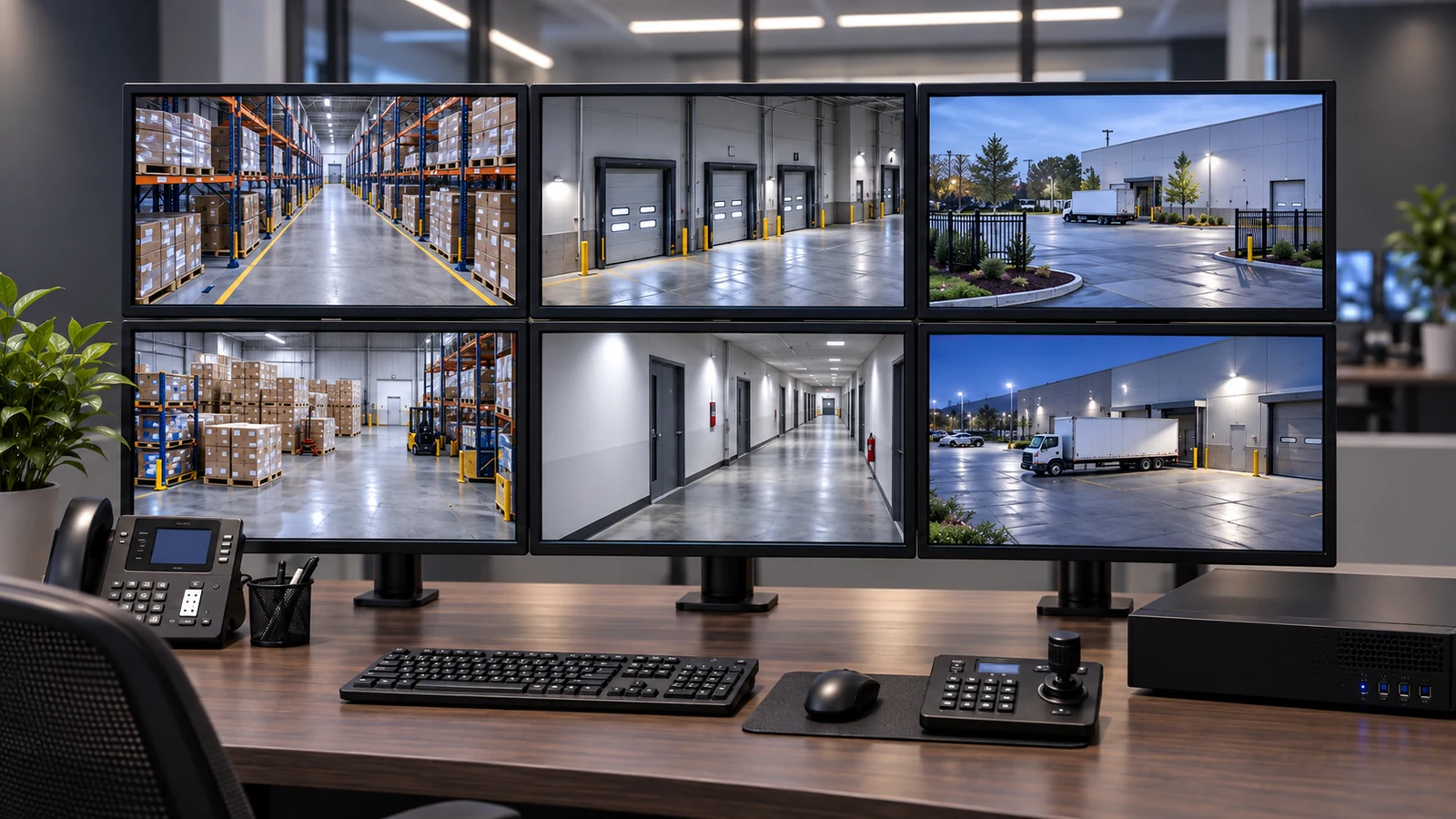
Place cameras around lanes, docks and employee approaches so the recording explains activity rather than producing only a broad exterior picture.
Calculate switch power and port reserve at each distant group before the final camera count is committed.
Coordinate lifts, exterior access and network cutovers with the property’s actual hours and maintenance rules.
Record fiber strands, uplinks, serving switches and network ownership so distributed failures can be diagnosed later.
PROPERTY APPLICATIONS
Exterior coverage can follow vehicle arrival and pedestrian movement toward the building without treating every property as a hotel or office.
A service-area camera can show dock or delivery movement where the property needs operational review of arrivals and departures.
A dedicated staff entrance can be recorded as a property workflow, with access permissions and privacy boundaries defined by the customer.
Camera groups can cover vehicle-intensive commercial areas when mounting, distance and night lighting are planned for the actual lot.
Remote structures can feed a central recording environment through managed uplinks or fiber when the property’s network design supports it.
A property can plan camera or switch work during periods that reduce impact on shifts, deliveries or customer activity without implying any airport operational authority.
TECHNICAL PLANNING
Match each remote camera group to a supported optic, fiber strand or network uplink and document the ownership of that transport.
Verify local power, switch budget and environmental placement where cameras are served away from the main equipment room.
Review parking and loading scenes under normal night conditions because distance and bright fixtures can change useful detail.
Calculate retention from camera streams and recording mode appropriate to higher-motion areas rather than applying an office default.
Plan lifts, roof or pole access and service windows with the property before selecting mounts that are difficult to reach later.
Keep property-owned surveillance, network and access systems clearly separate from airport authority, TSA, airside or aviation-security infrastructure not included in the scope.
PROJECT GUIDANCE
Airport / Lee Vista commercial camera systems can rely on remote PoE switches, managed uplinks, fiber and access-control networks spread across a larger private property. Those dependencies should be documented as customer property infrastructure and kept clearly separate from any airport authority, TSA, airside or aviation-security system.
EAST ORLANDO CONTEXT
Service in the Orlando International Airport / Lee Vista corridor is focused on private commercial properties. Airport-authority, TSA, airside and aviation-security scopes are not represented here.
RELATED PATHS
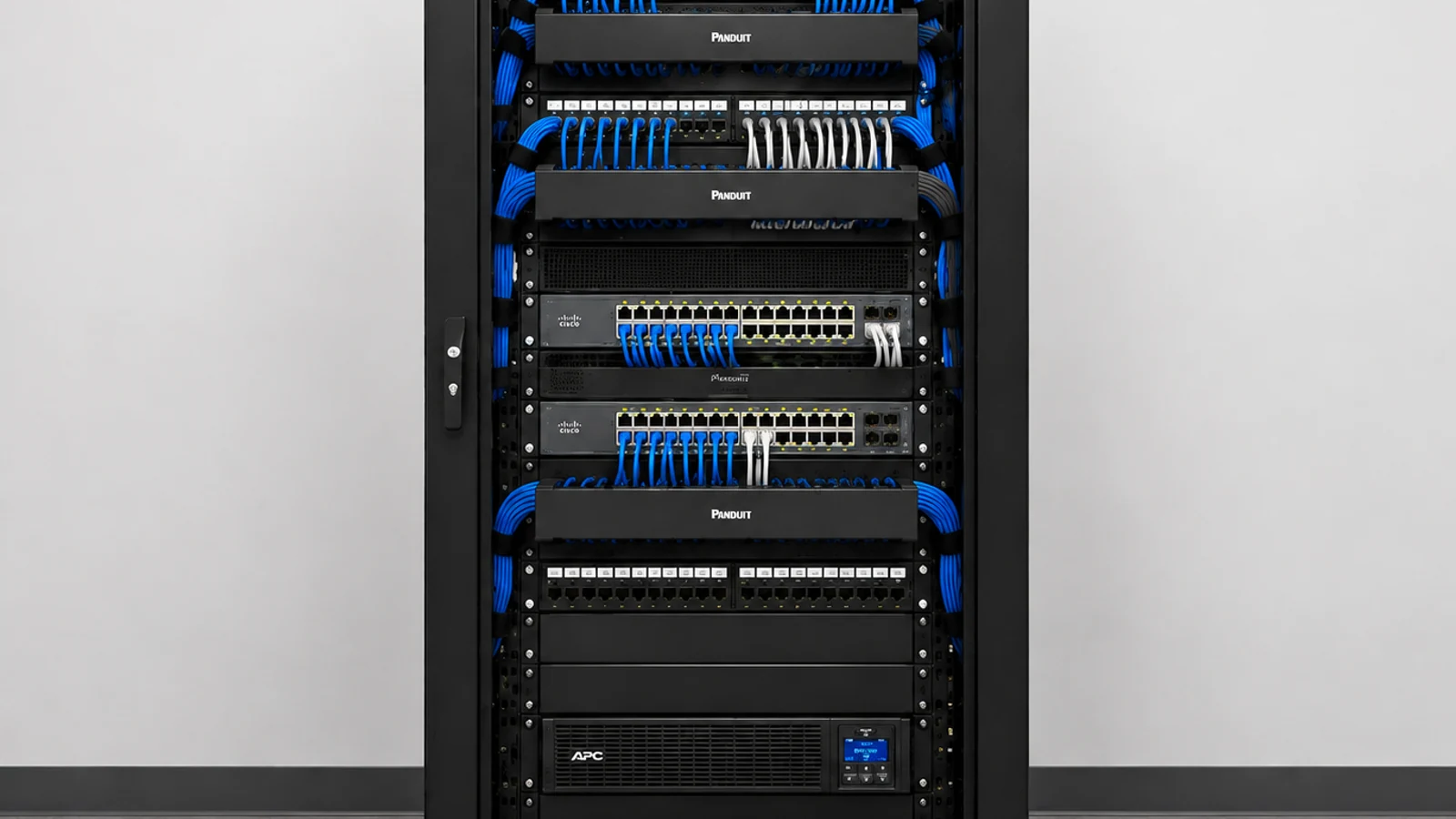
Larger airport-adjacent commercial sites may need optical backbone links when copper distance is limiting.
View Fiber Optic Services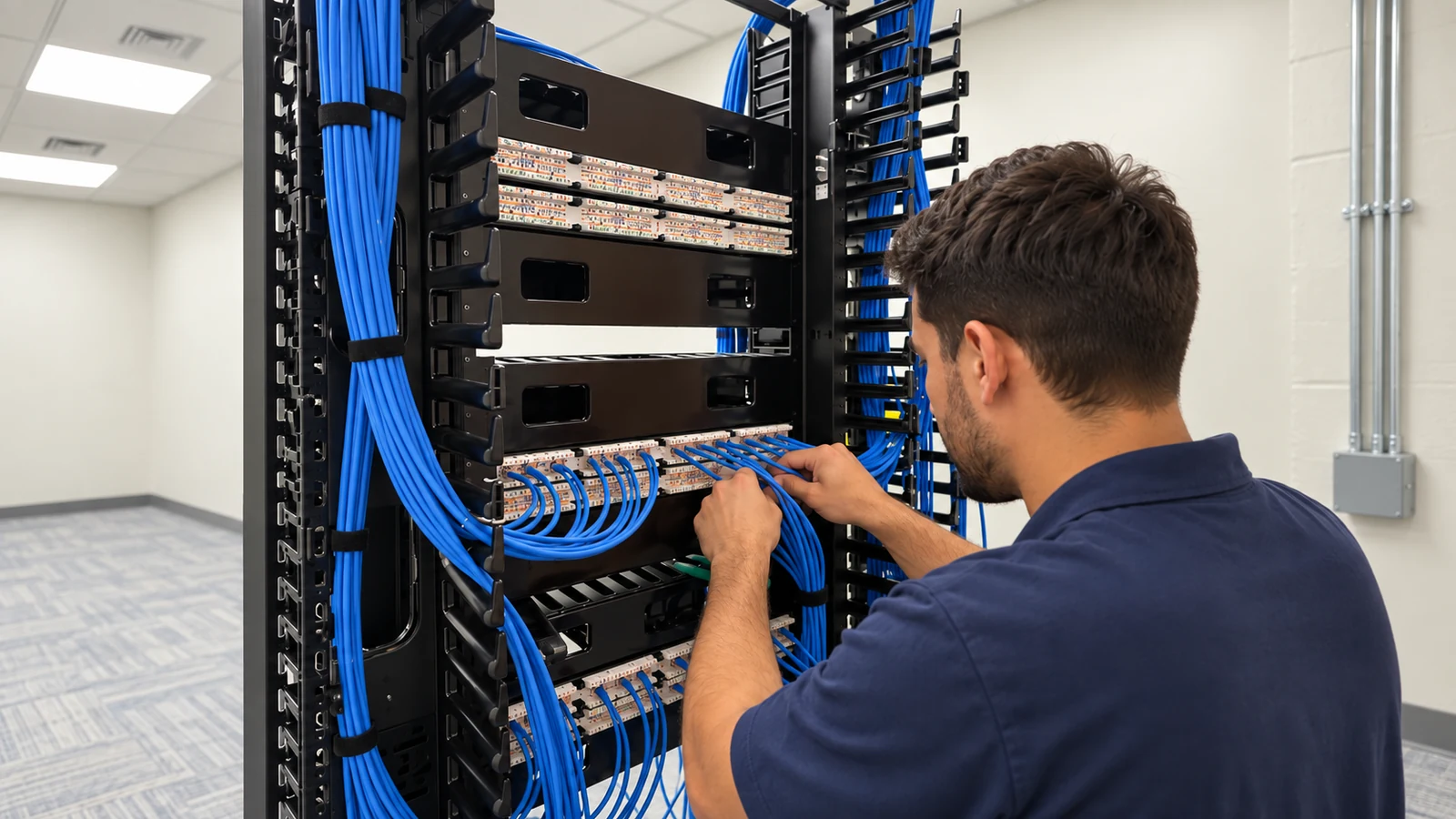
PoE, uplinks and switching capacity matter when camera groups span parking, loading or separate areas.
View Network Solutions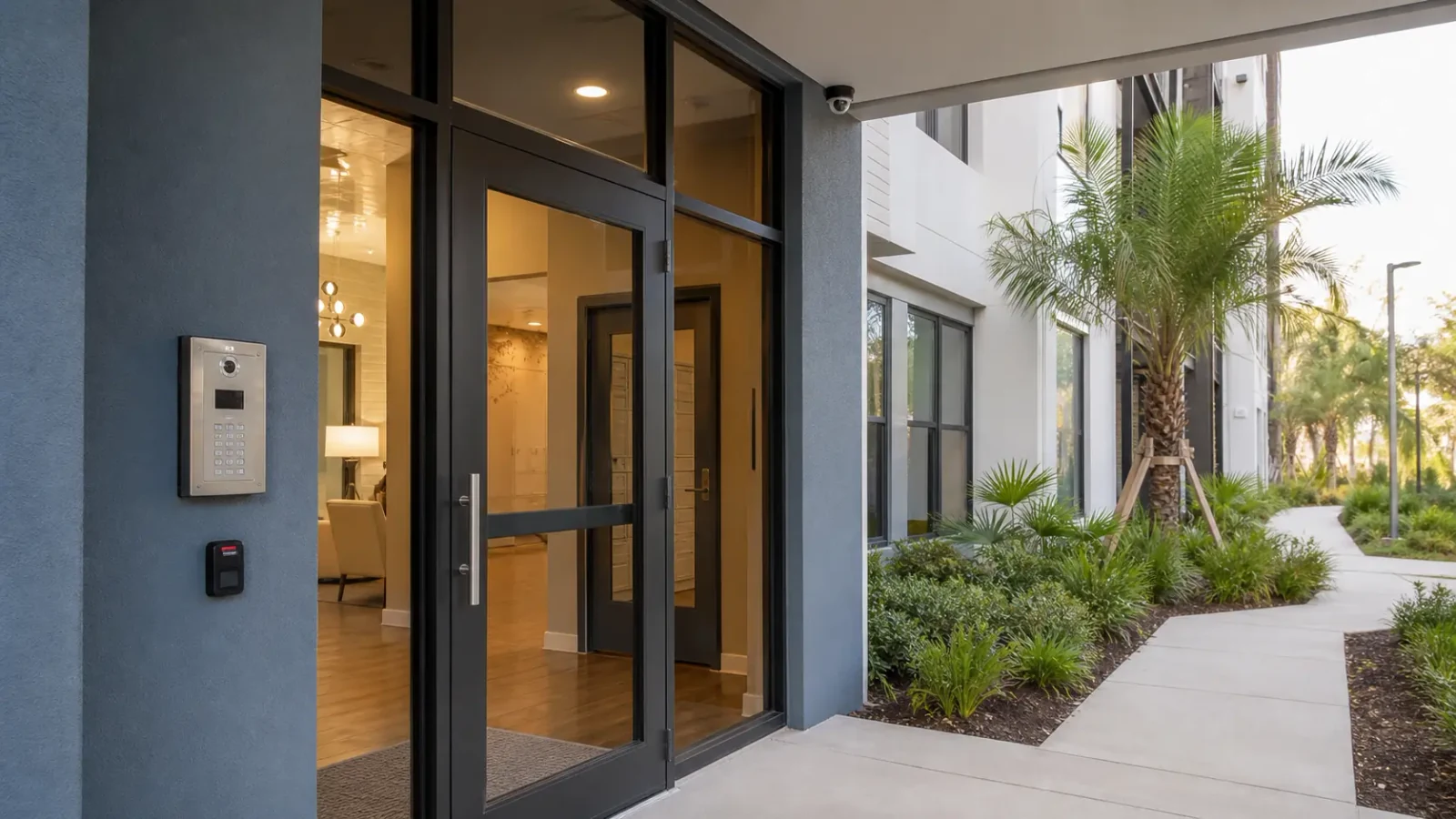
Employee and service entrances can connect recorded video context with property-controlled access workflows.
View Access Control SystemsRELATED PATHS
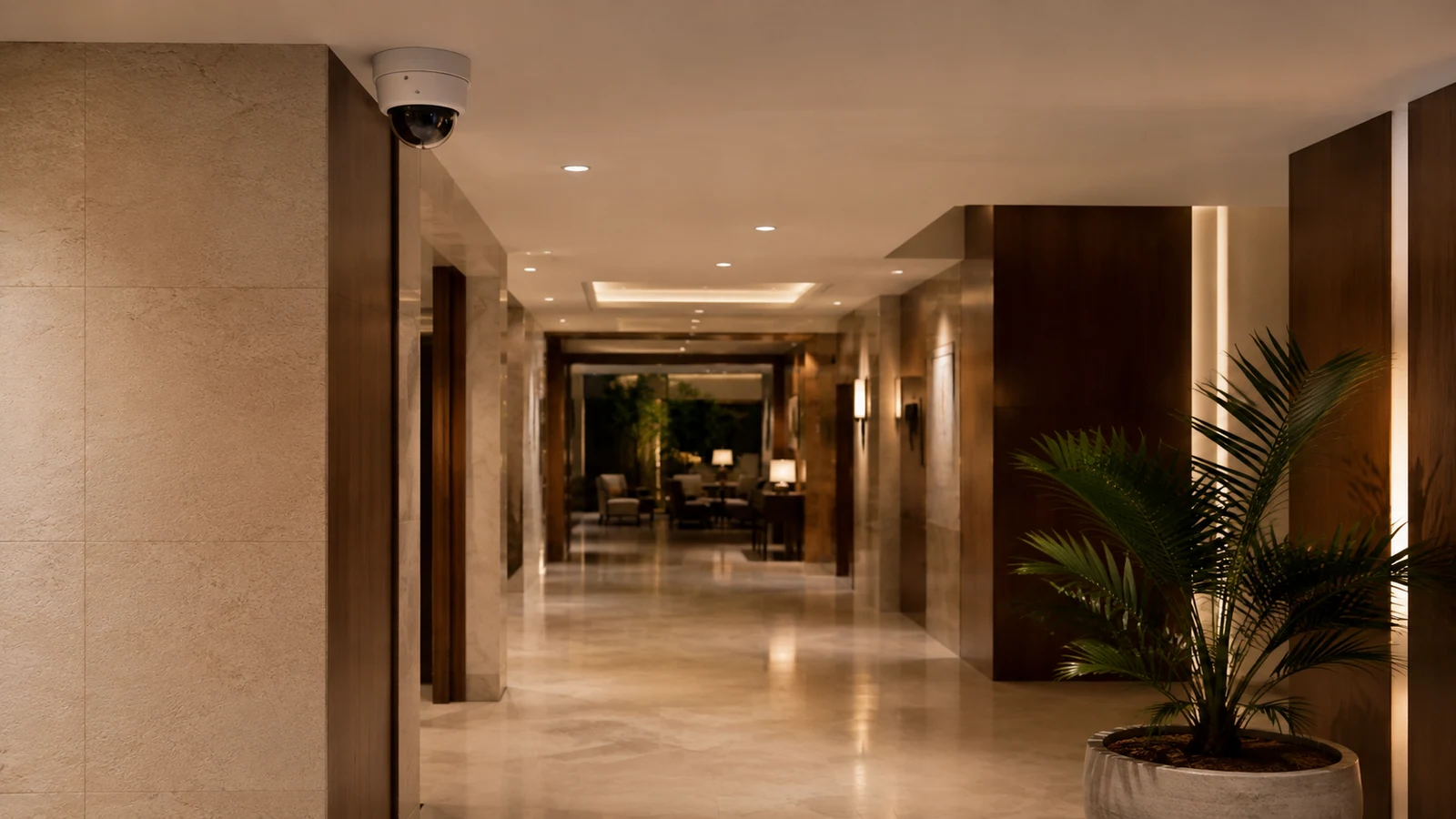
Lake Nona is a useful neighboring comparison, but its professionally managed, multi-system and potentially multi-building commercial mix differs from Lee Vista’s long-hour vehicle and service operations.
Explore Lake Nona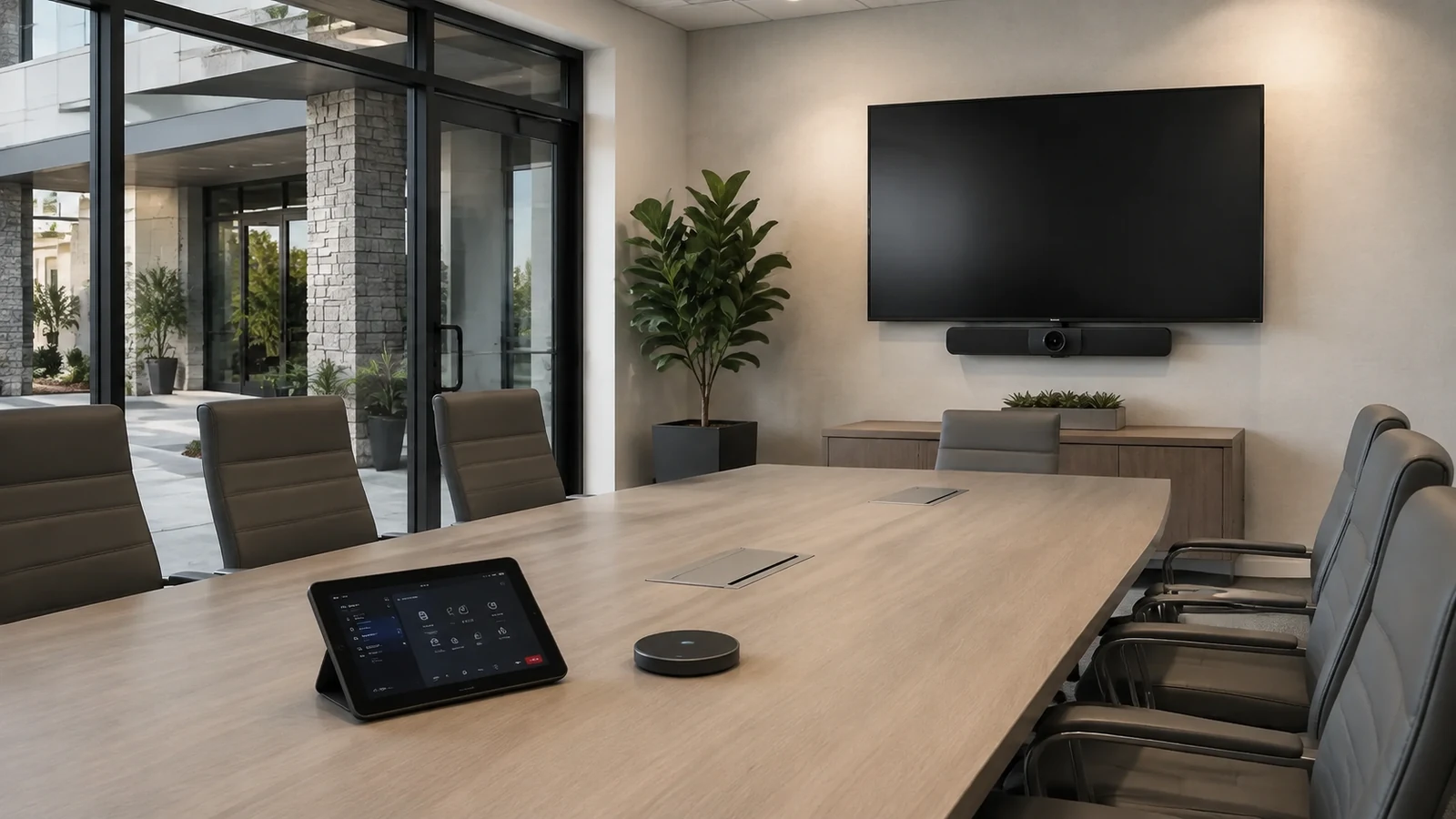
A project that shifts toward a broad east-side Orlando context spanning mixed commercial and managed properties, without implying a specific municipal boundary, should follow the East Orlando route instead of the airport-adjacent commercial route.
Explore East Orlando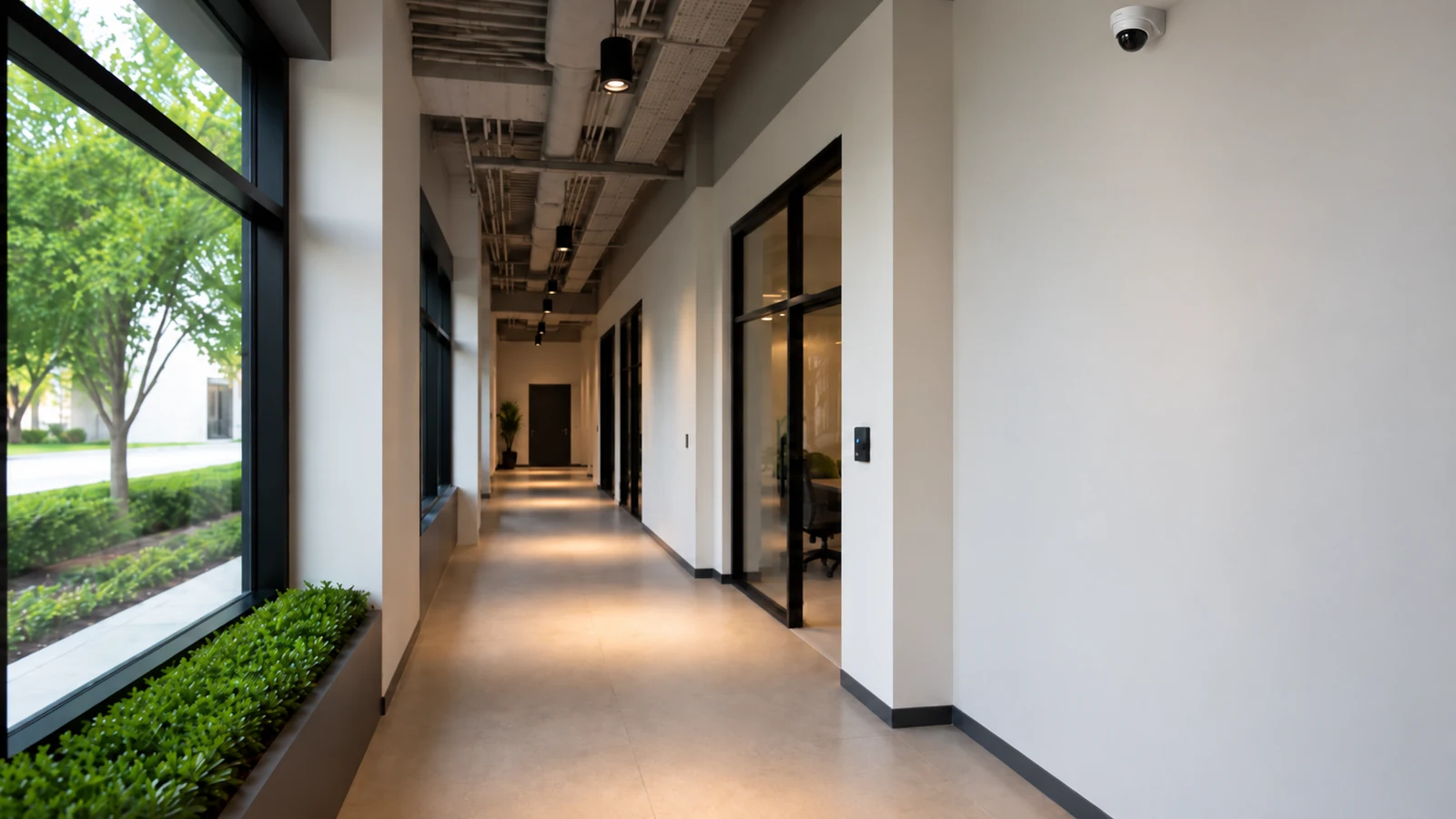
Waterford Lakes has a more customer-facing commercial pattern shaped by parking, service and delivery activity, tenant administration and existing-system expansion.
Explore Waterford LakesPROJECT PROCESS
Identify parking, loading, employee and building-to-building camera zones together with their serving telecom locations.
Choose practical copper, PoE, uplink or fiber paths based on distance and available property-owned infrastructure.
Coordinate field access, lift use and cutovers with the commercial property’s operating windows.
Confirm each remote group records correctly, then document its switch, uplink and account dependencies for future service.
LICENSED SUPPORT
Data Pro Communications operates under FL License #EC13016138. Airport / Lee Vista scopes define the private commercial property being served, the camera and low-voltage infrastructure included, and any customer-owned uplink or fiber dependencies required by the design.
FAQ
No. Service is focused on private airport-adjacent commercial properties and does not include Orlando International Airport authority work, TSA work, airside access or aviation-security compliance.
Define the loading event that matters, then evaluate trailer positions, service doors, lighting and the path between the loading zone and the building.
Fiber becomes relevant when building separation, distance, uplink capacity or electrical/environmental conditions make copper links impractical for the selected design.
Identify lower-impact windows and separate work that causes recording/network interruption from field tasks that can happen while the property remains active.
Use a scene designed around staff arrival or service access, with appropriate lighting, recording and permissions rather than copying a guest-facing camera angle.
They can where the owner’s network design supports it, but PoE, uplink capacity, segmentation and administrative responsibility should be confirmed.
More cameras and higher bitrates increase storage and network demand. Retention has to be calculated from the actual recording profile.
Verify the owner, user roles, secure access method and recovery process so after-hours viewing does not depend on undocumented credentials.
Lee Vista planning begins with its airport-adjacent geography and long-hour vehicle activity. Warehouse and logistics work centers more specifically on docks, yards, staging and distribution flow regardless of location.
Record camera names, switch or fiber dependencies, recorder access, accepted scenes and the property teams responsible for ongoing administration.
Tell us about the Lee Vista commercial operation, parking, loading, employee access, operating hours and any long-distance network links that affect the property camera system.