
Licensed Florida Contractor
FL License #EC13016138 identifies the contracting license presented by Data Pro Communications.
BUYER EVALUATION GUIDE
The strongest CCTV proposal explains what every camera must accomplish and who owns each dependency. A long equipment list can still hide missing pathways, switch upgrades, lift access, account setup, retention assumptions and acceptance testing.
FL License #EC13016138 identifies the contracting license presented by Data Pro Communications.
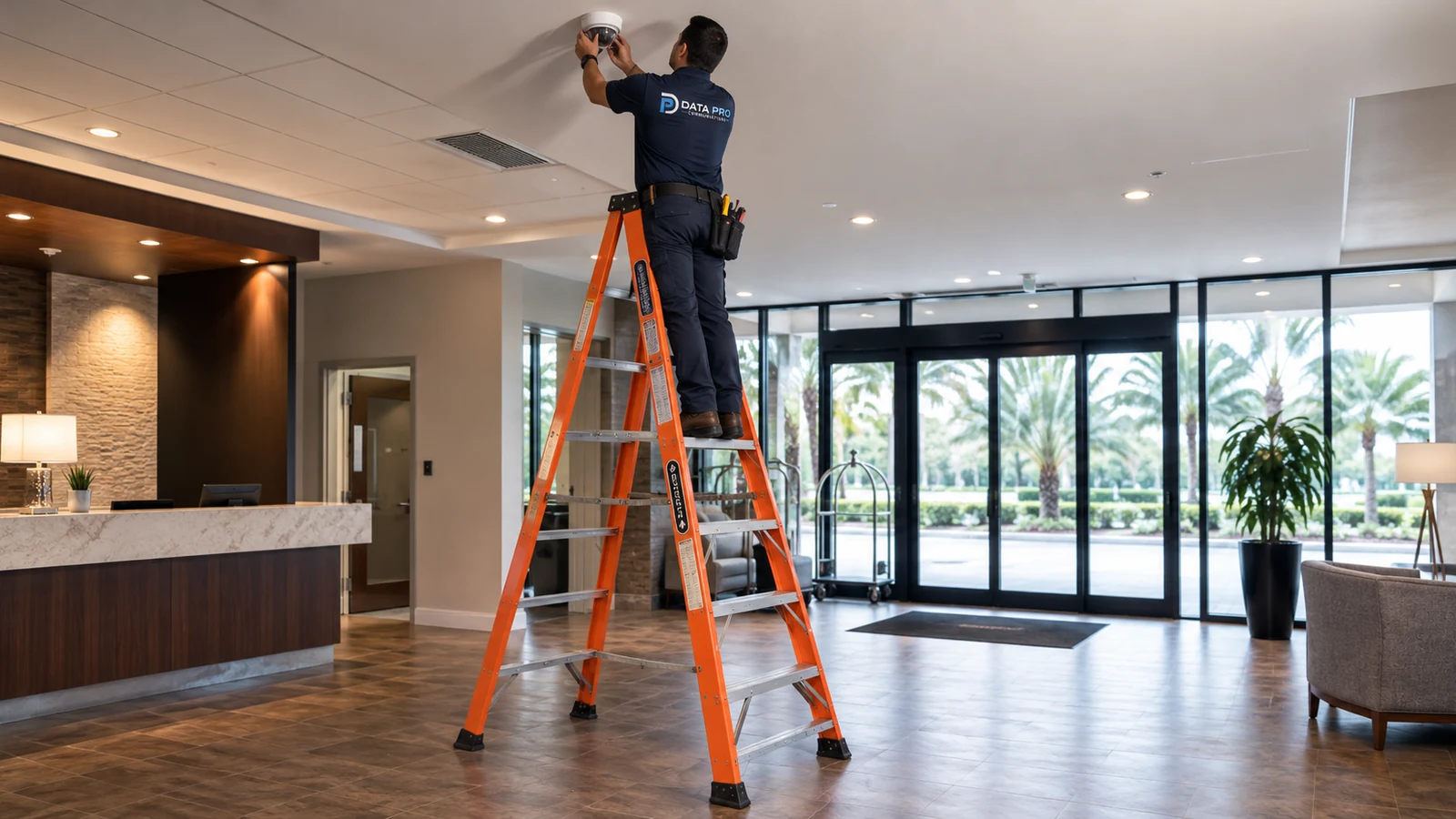
The proposal should connect each camera location to a view purpose, lighting condition and mounting constraint.
Past projects may differ in technology, personnel and operating conditions.
Scene review, playback/export tests and delivered documentation.
PROJECT GUIDANCE
Evaluate installers by the quality of their survey, the clarity of their exclusions, their ability to coordinate network and construction conditions, and the evidence they will provide at handoff. Licensing and insurance are threshold checks; they do not replace a technically complete scope.
CAPABILITIES
The proposal should connect each camera location to a view purpose, lighting condition and mounting constraint.
Cabling, electrical work, patching, network changes, lifts, permits, credentials and disposal should be assigned rather than assumed.
Camera, recorder, storage, licensing and client software choices should work together and fit the existing environment.
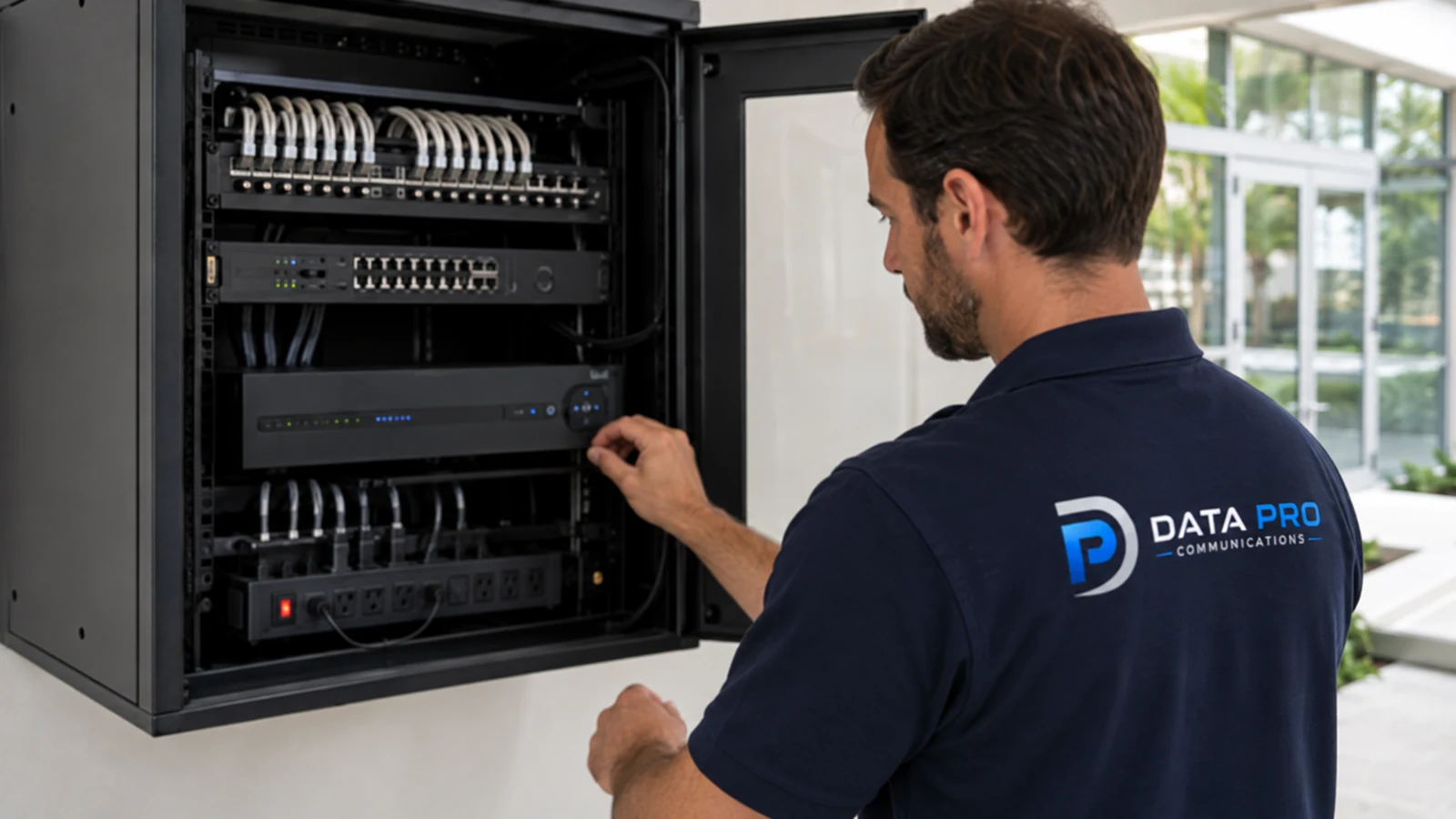
The installer should identify PoE, addressing, bandwidth, remote-access and cybersecurity coordination without claiming authority over customer policy.
The scope should state how daylight and low-light images, playback, export, alerts and permissions will be reviewed.
Warranty coverage, response process, software responsibilities and excluded damage should be understandable before award.
EAST ORLANDO CONTEXT
East Orlando buyers frequently compare proposals for occupied sites where ceiling access, landlord rules and IT approvals affect cost. A credible installer should make those conditions visible instead of pricing the work as an unrestricted empty building.
PROJECT GUIDANCE
The proposal should connect each camera location to a view purpose, lighting condition and mounting constraint.
Cabling, electrical work, patching, network changes, lifts, permits, credentials and disposal should be assigned rather than assumed.
Camera, recorder, storage, licensing and client software choices should work together and fit the existing environment.
The installer should identify PoE, addressing, bandwidth, remote-access and cybersecurity coordination without claiming authority over customer policy.
The scope should state how daylight and low-light images, playback, export, alerts and permissions will be reviewed.
Warranty coverage, response process, software responsibilities and excluded damage should be understandable before award.
PROPERTY APPLICATIONS
Compare the required scenes and exclusions first; the lower count may reflect better framing or a missing area.
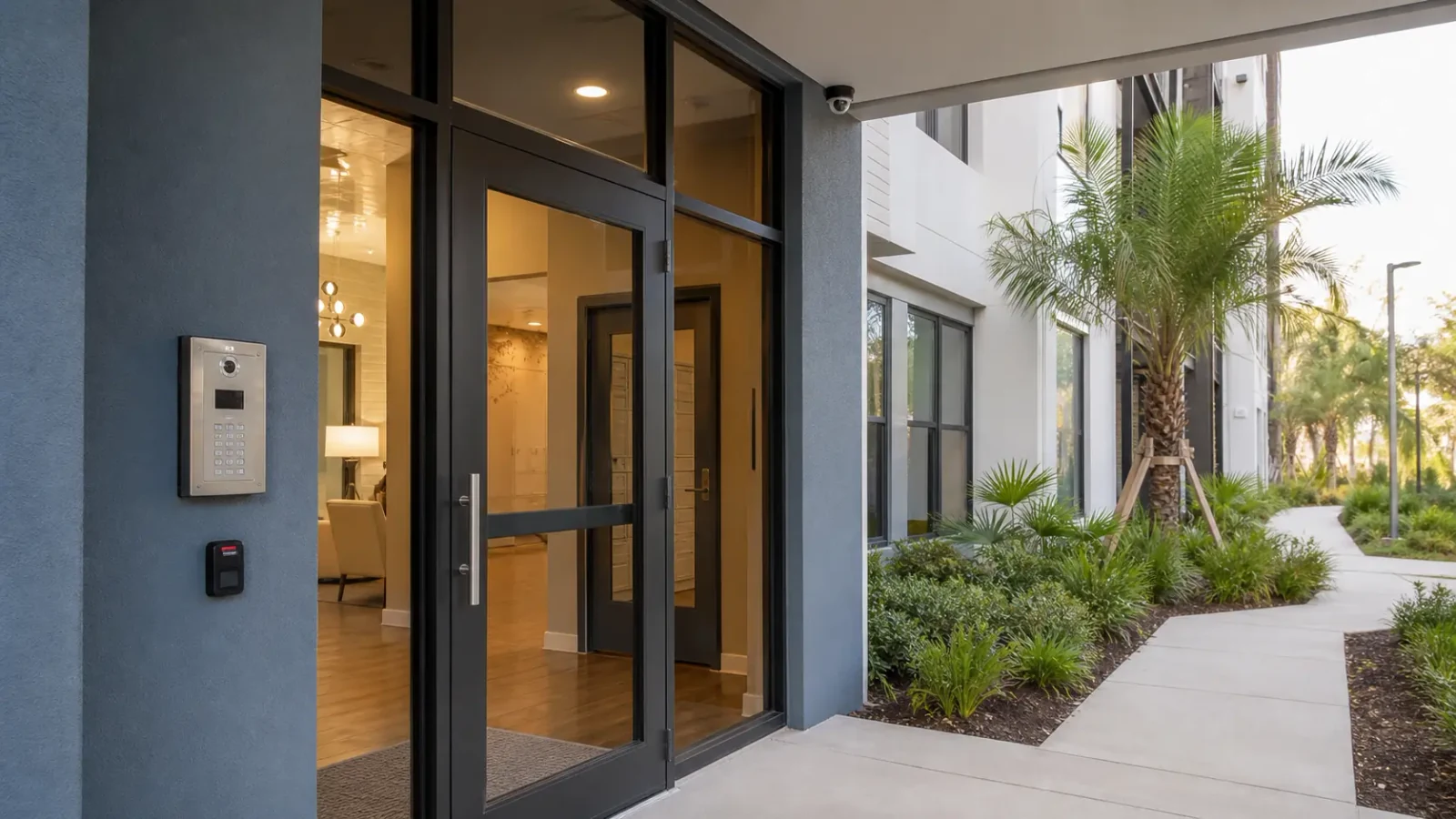
A credible scope addresses access windows, ceiling rules and network approval instead of pricing unrestricted work.
The installer inventories compatible cameras, export needs and outage timing before promising a simple recorder swap.
PROJECT PROCESS
Normalize assumptions so price differences can be understood.
Account control should not remain with an unnamed technician.
Confirm license and insurance information for the company actually performing or supervising the work.
PLANNING RISKS
Past projects may differ in technology, personnel and operating conditions.
Model selection cannot replace scene, pathway and retention analysis.
Missing lifts, cabling, network work or commissioning may reappear as change orders.
PLANNING RISKS
Counts hide differences in lenses, scene purpose and omitted dependencies.
Unwritten boundaries create disputes when site conditions appear.
A system can be online while documentation, exports and administrator ownership remain incomplete.
TECHNICAL PLANNING
Camera schedule, marked plan and equipment list.
Allowances, exclusions, warranty and change process.
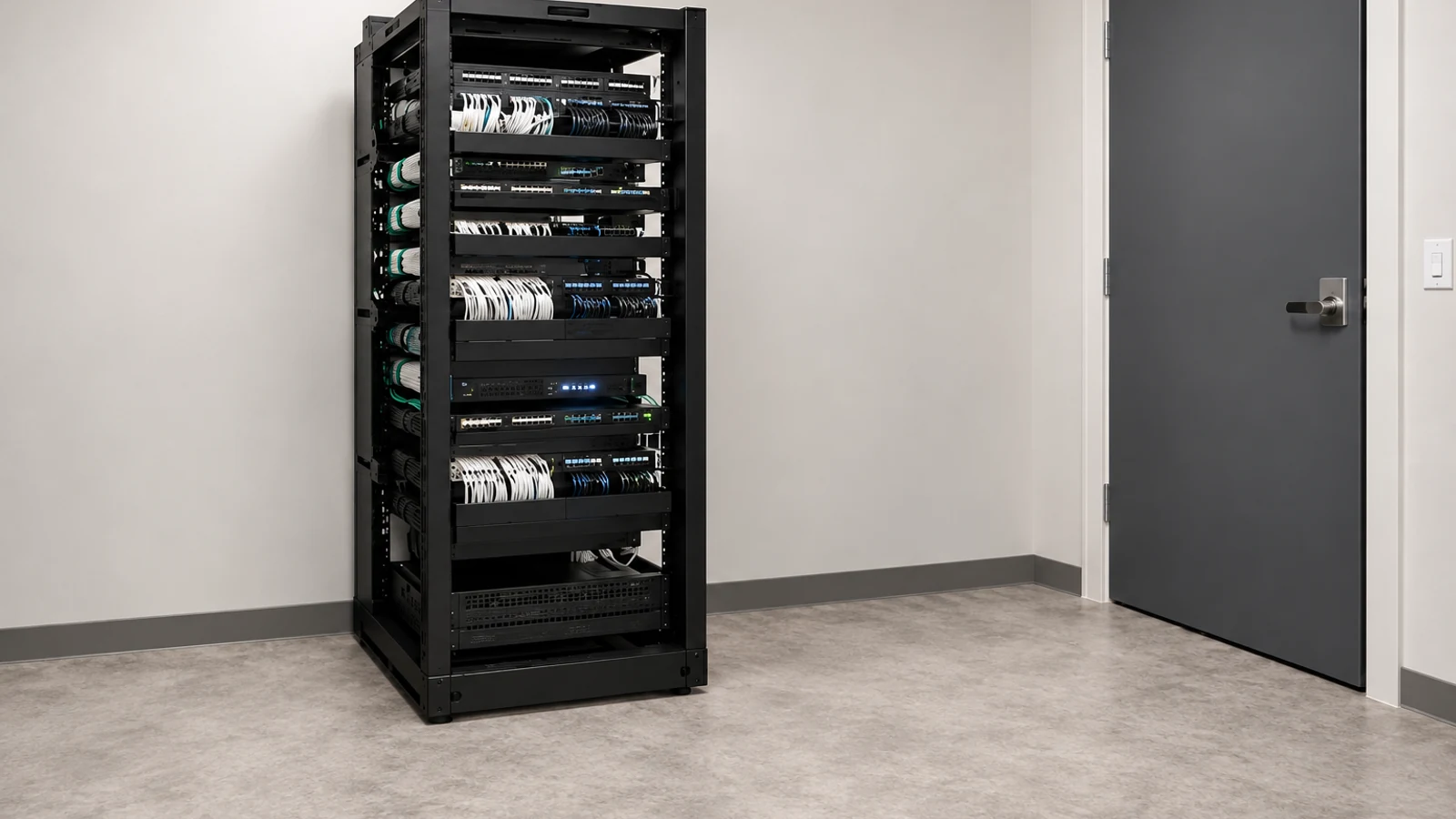
Network, pathway, electrical and construction responsibilities.
Scene review, playback/export tests and delivered documentation.
PROJECT GUIDANCE
RELATED PATHS


PROJECT PROCESS
The proposal should connect each camera location to a view purpose, lighting condition and mounting constraint.
Cabling, electrical work, patching, network changes, lifts, permits, credentials and disposal should be assigned rather than assumed.
Camera schedule, marked plan and equipment list.
Confirm license and insurance information for the company actually performing or supervising the work.
FAQ
The survey should cover required views, lighting, mounting surfaces, pathways, power, network, recording, access restrictions and existing equipment.
Compare the scene objectives, lens coverage, exclusions, infrastructure work, storage assumptions and tests rather than matching quantities alone.
They identify work or conditions outside the price and reduce surprises involving lifts, patching, electrical service, network changes or permits.
Yes. IP cameras depend on PoE, addressing, uplinks and access policy, although the customer or IT provider retains authority over network decisions.
Verify requirements applicable to the work and confirm the license belongs to the contracting entity responsible for the project.
It should identify channel count, recording method, estimated retention assumptions, storage capacity and factors that can change actual retention.
Tests should cover intended scenes, low-light behavior where relevant, timestamps, recording, playback, export, permissions and agreed integrations.
An authorized customer representative should control primary accounts, recovery methods and decisions about service access.
Read what labor, equipment, software and response activities are included, how service is requested and which conditions are excluded.
Not necessarily. A lower price may omit infrastructure, documentation, testing or support that the property will still need.
Choose the installer whose proposal makes the project easiest to verify, operate and support. A useful scope reduces ambiguity before work begins and defines what successful handoff will look like.