
Florida Licensed
FL License #EC13016138 for low-voltage systems work.
ASSET HISTORY, PREVENTIVE REVIEW AND LIFECYCLE SUPPORT
A service program should make the installed environment easier to understand over time. Asset inventory, recurring-fault history, preventive observations, configuration records and support status help property teams decide what to repair, monitor or budget next.
This service covers ongoing support across supported low-voltage systems. A single unexplained camera fault remains the distinct responsibility of Existing Camera Troubleshooting.
FL License #EC13016138 for low-voltage systems work.
Supported devices, locations, accounts and relationships are identified before maintenance patterns are judged.
Symptoms, tests, corrections and outcomes remain linked to the affected asset across visits.
Firmware, licenses, parts and platform lifecycle inform repair and budget choices.
Maintenance findings can lead to a distinct diagnostic, upgrade or design scope instead of hiding capital work in service.
PROJECT GUIDANCE
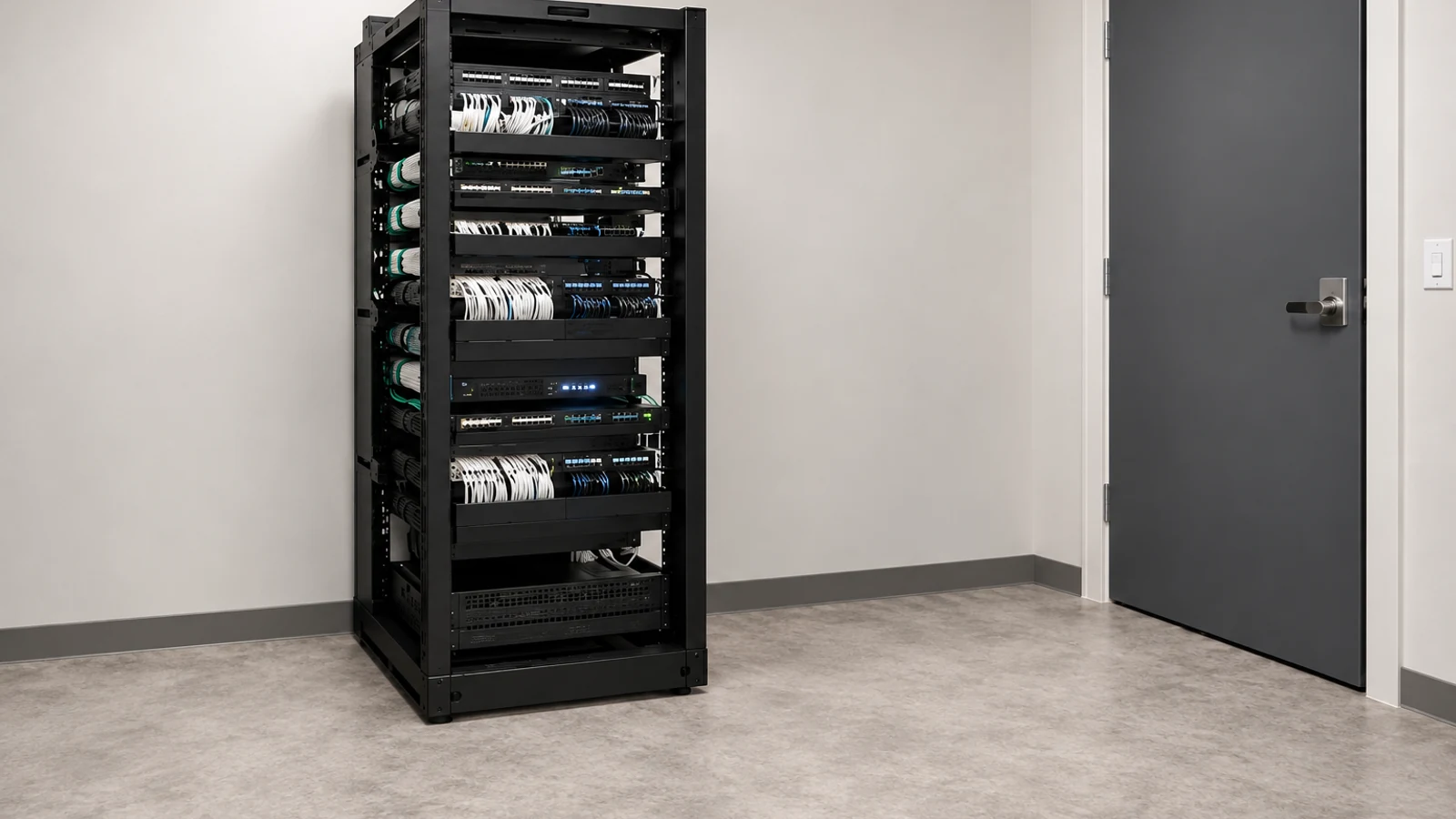
Service & Maintenance creates a repeatable record across supportable cameras, access control, intercom, cabling, network, AV and fiber components. Each visit should add to the asset baseline, note recurring symptoms, preserve configuration where appropriate, identify support constraints and separate corrective work from future modernization.
PLANNING RISKS
Technicians spend service time identifying models, locations, accounts and prior changes that should already be recorded.
A symptom can return because earlier conditions and corrections were not compared across visits.
Working equipment may still lack firmware, licenses, replacement parts or vendor support needed for reliable lifecycle planning.
Unrecorded changes to switches, controllers, recorders or room systems make recovery harder.
Loose terminations, dirty fiber connectors, damaged patching and weak power supplies can compound over time.
Properties are forced into urgent replacement when condition and support horizon were never reviewed together.
CAPABILITIES
Record supported devices, models, locations, software, power, links, accounts and service status.
Review visible condition, alerts, logs, cabling, environmental factors and supported health indicators.
Compare symptoms, timestamps, affected assets and prior corrective actions across service history.
Back up or document supported configurations and ownership before significant changes.
Separate immediate repairs from quoted replacement, expansion or modernization projects.
Identify support horizon, capacity limits and likely replacement groups for budget planning.
PROPERTY APPLICATIONS
Inspect supportable systems, update the asset record and prioritize observed corrective work.
Explore Quarterly property reviewCompare service history across cameras, access points, intercom stations or AV endpoints to find patterns.
Explore Recurring device outagesTransfer system inventory, credentials, service records and open issues to a new authorized team.
Explore Management transitionReview firmware, licenses, storage, controllers or parts availability before failure forces a rushed decision.
Explore Aging platform assessmentDocument what moved, remained or changed after a tenant or common-area project.
Explore Post-renovation baselineCoordinate likely maintenance and replacement windows across camera, access, network, AV and backbone assets.
Explore Multi-system lifecycle planTECHNICAL PLANNING
Use consistent names, locations and relationships so each service event attaches to the correct component.
Capture symptom, conditions, tests, correction and outcome instead of a generic closed ticket.
Define what can be backed up, who authorizes changes and where recovery records are stored.
Identify which health checks or settings can be reviewed remotely and which faults require physical access and test equipment.
Track firmware, licenses, replacement availability and platform lifecycle without promising indefinite service.
Separate routine maintenance from design changes, capital upgrades and page-specific diagnostic projects.
PROJECT GUIDANCE
Maintenance crosses systems only through the asset and service record. A recurring camera symptom can escalate to focused camera diagnostics, an unsupported recorder to Camera System Upgrades, a damaged fiber path to restoration, or a network capacity issue to a separate design change; those scopes should not be hidden inside a generic service ticket.
EAST ORLANDO CONTEXT
Managed properties and growing organizations across Goldenrod, Waterford Lakes, the UCF area and southeast Orlando often inherit systems installed at different times by different parties. A service program should turn that mixed history into a usable asset record instead of merely repeating emergency visits.
RELATED PATHS
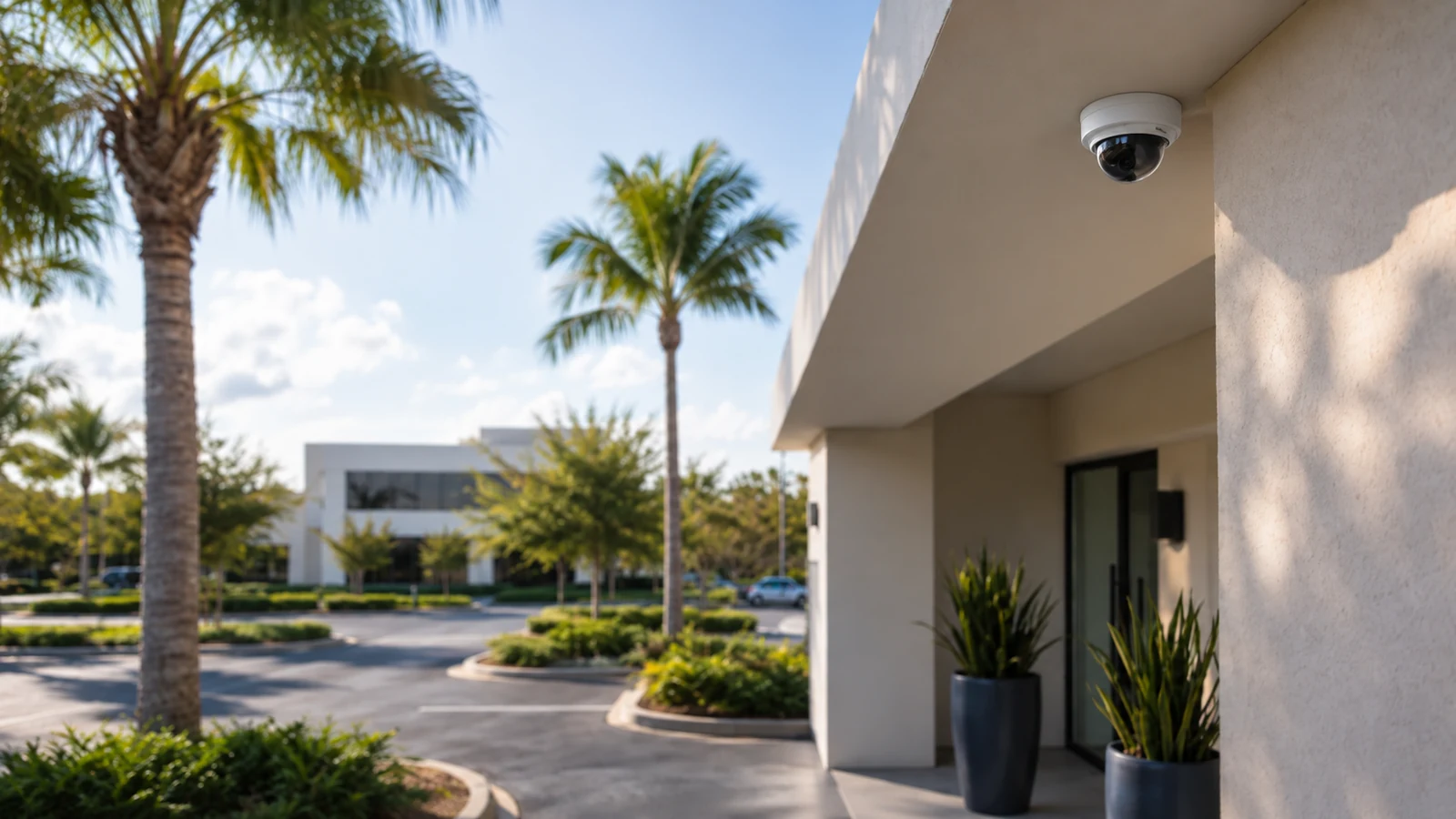
Recurring camera faults may reveal unsupported equipment that requires a separate modernization project.
View Camera System Upgrades
A current unexplained camera fault belongs to focused camera-system diagnostic isolation, not the ongoing maintenance program.
View Existing Camera Troubleshooting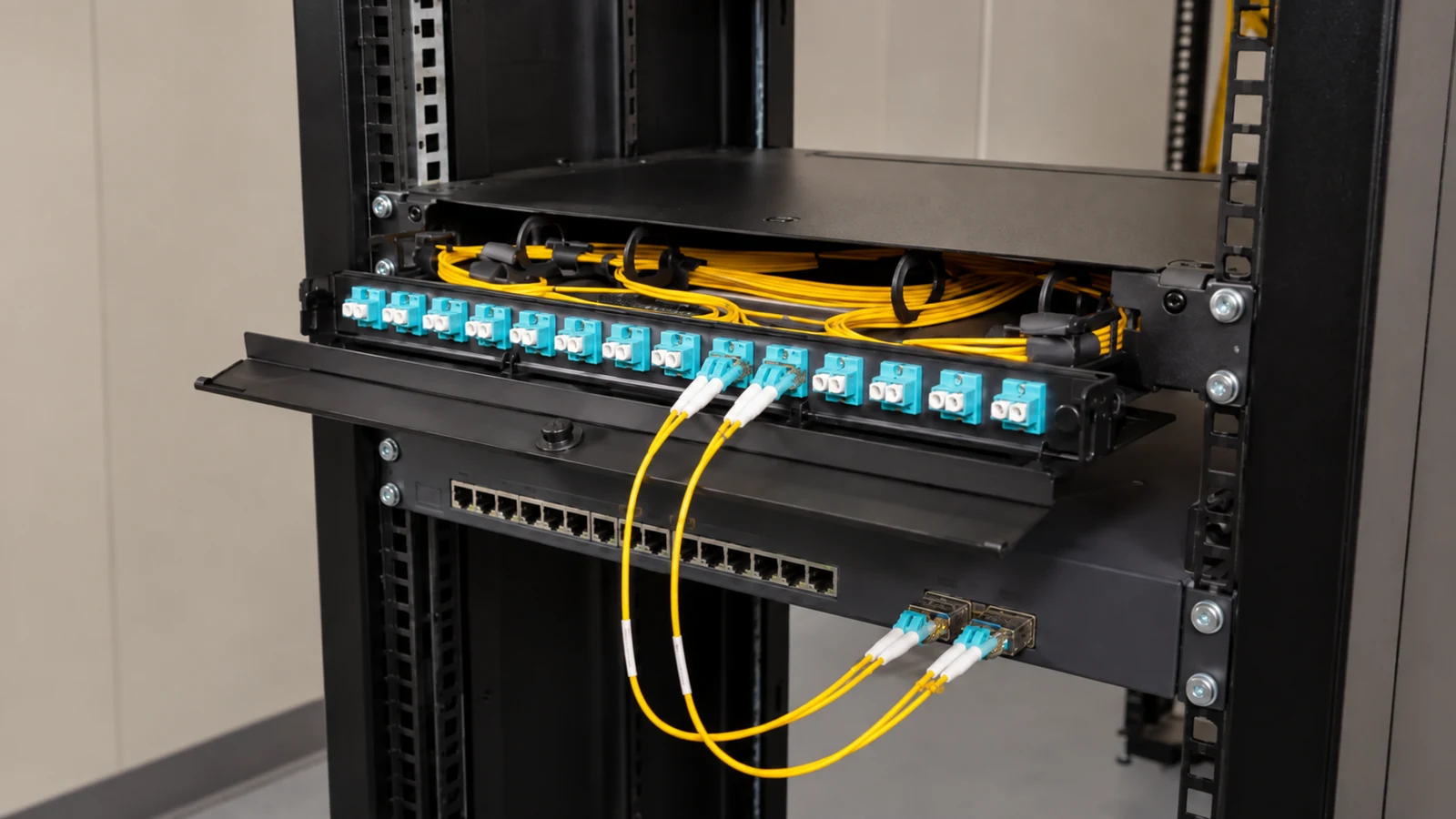
Optical inspection and restoration can become a defined corrective scope within a broader service history.
View Fiber Optic ServicesRELATED PATHS
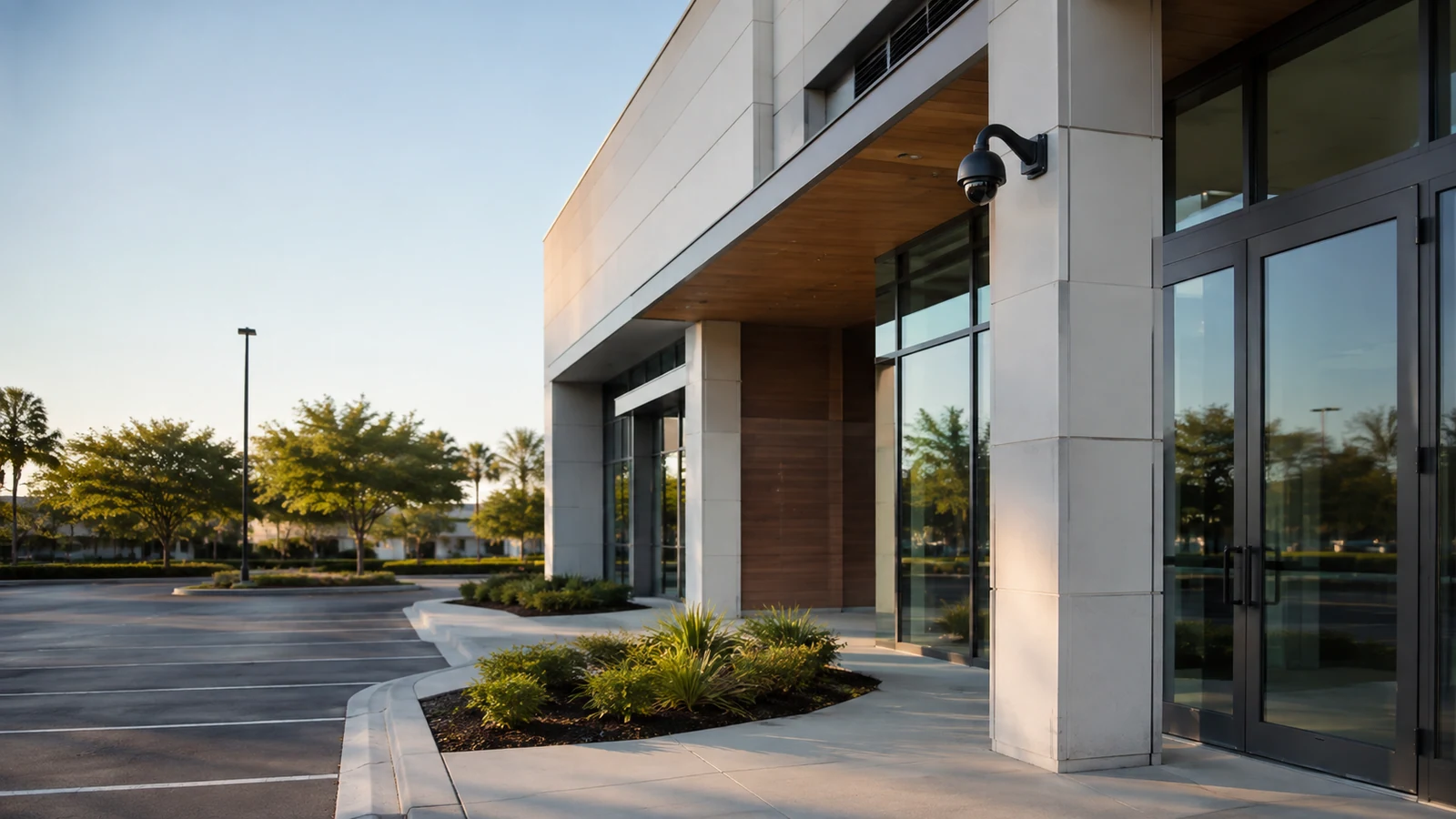
A shared asset and service history makes vendor and staff transitions more manageable.
Explore Managed Property Portfolios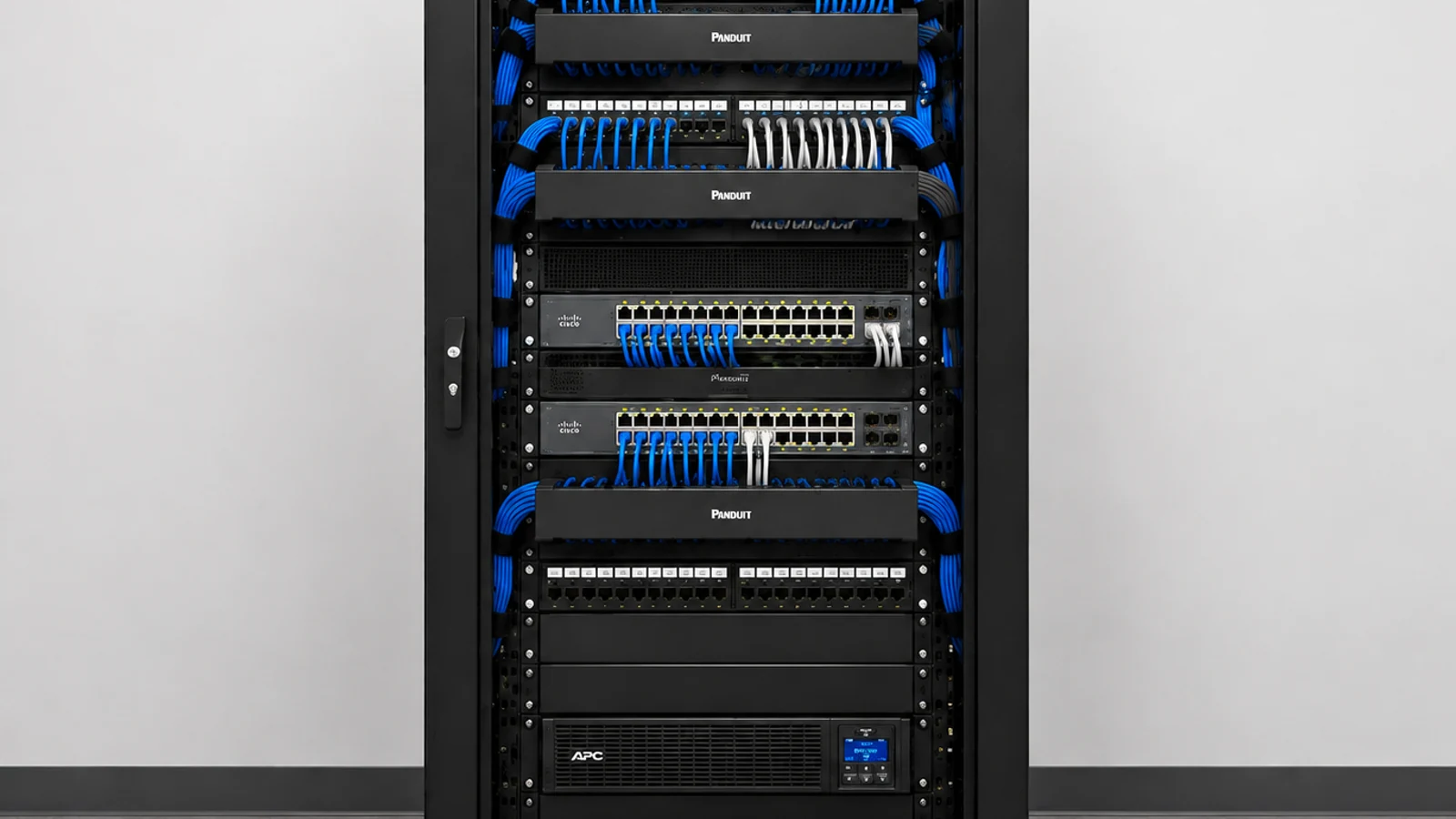
Support status and recurring conditions guide repair and budget priorities.
Explore Aging Commercial Sites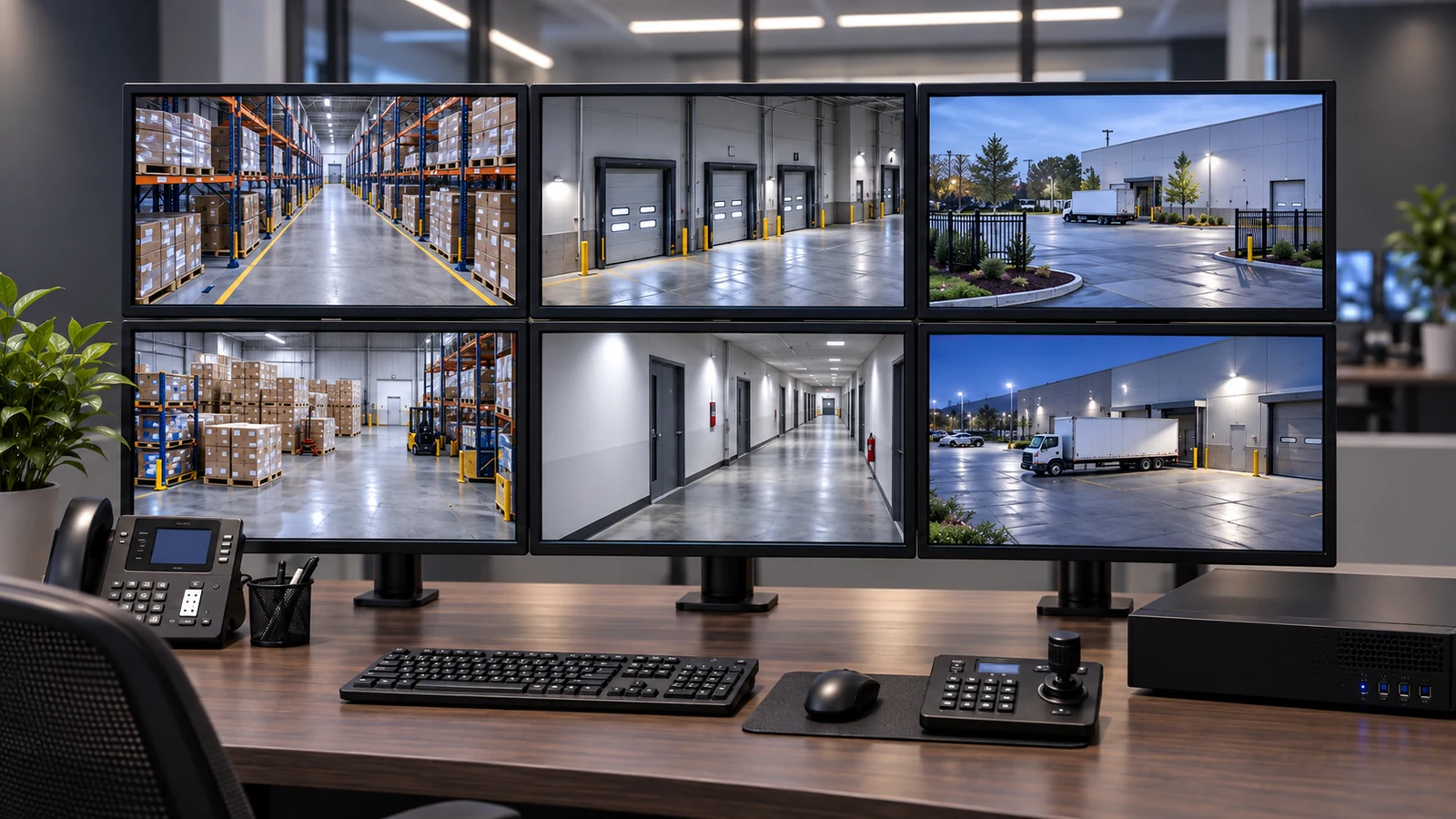
Maintenance records connect camera, access, network, AV and backbone dependencies over time.
Explore Multi-System FacilitiesPROJECT PROCESS
Inventory supported systems, locations, accounts, configurations, open faults and known changes.
Review health indicators and service history, then reproduce the reported issue where practical.
Repair, reconfigure or replace the confirmed in-scope component and retest the affected workflow.
Record the outcome, remaining risks, follow-up interval and any separately proposed modernization.
LICENSED SUPPORT
Data Pro Communications operates under FL License #EC13016138. Ongoing service becomes supportable when asset identity, prior symptoms, corrective work, configuration ownership and lifecycle constraints remain visible across visits.
FAQ
A defined program may include supported cameras, recorders, access control, intercom, structured cabling, network infrastructure, commercial AV and fiber. The inventory establishes the actual covered assets.
Existing Camera Troubleshooting isolates a current fault within a camera system. Service & Maintenance manages recurring support, preventive review, history and lifecycle planning across multiple approved low-voltage systems.
Record asset name, model, location, function, connections, power, software or firmware, license status, account owner, installation history and current condition where applicable.
No. Preventive review can identify condition, alerts, contamination, loose connections or support risks, but it cannot eliminate failures or predict every component event.
Each entry should describe the symptom, timing, affected asset, tests, finding, correction, verification and any unresolved condition. Generic notes make recurrence analysis difficult.
Where the platform supports it and the customer authorizes it, preserve current configuration before major changes and after an accepted update, with controlled storage and ownership.
Certain health, log or configuration reviews may be possible remotely on supported platforms. Physical cabling, power, optical, door-hardware and device faults normally require onsite access.
Document support status, available parts, firmware or license constraints and the operational risk. Corrective work and replacement planning should be separated so the customer can choose the next step.
No. Visit frequency, covered assets, remote support, onsite work, parts and project exclusions should be defined in the service scope.
It should identify aging or unsupported assets, capacity limits, recurring-fault groups, dependencies, replacement priority and a practical budget horizon without claiming an exact failure date.
Share the installed systems, recurring issues, service history and upcoming property changes. A maintenance baseline can separate immediate corrective work from longer lifecycle planning.