
Florida Licensed
FL License #EC13016138 for low-voltage systems work.
PASSIVE COPPER PATHWAYS AND TERMINATIONS
Reliable copper infrastructure starts with the route, distance and endpoint, not the switch that will eventually use the cable. Cabling Services covers passive Cat6 and Cat6A pathways from the work area or device to a documented rack or patch-panel position.
Data Pro Communications plans routes, supports cable, terminates and labels both ends, manages rack presentation and provides the agreed cable test evidence without absorbing active network administration.
FL License #EC13016138 for low-voltage systems work.
Routes account for capacity, support, distance and service access before cable is pulled.
Outlet, cable, panel and schedule identifiers follow one traceable convention.
Pair handling, strain relief and patch-field organization protect the installed copper path.
The agreed wiremap, qualification or certification evidence is tied to the final link identifier.
PROJECT GUIDANCE
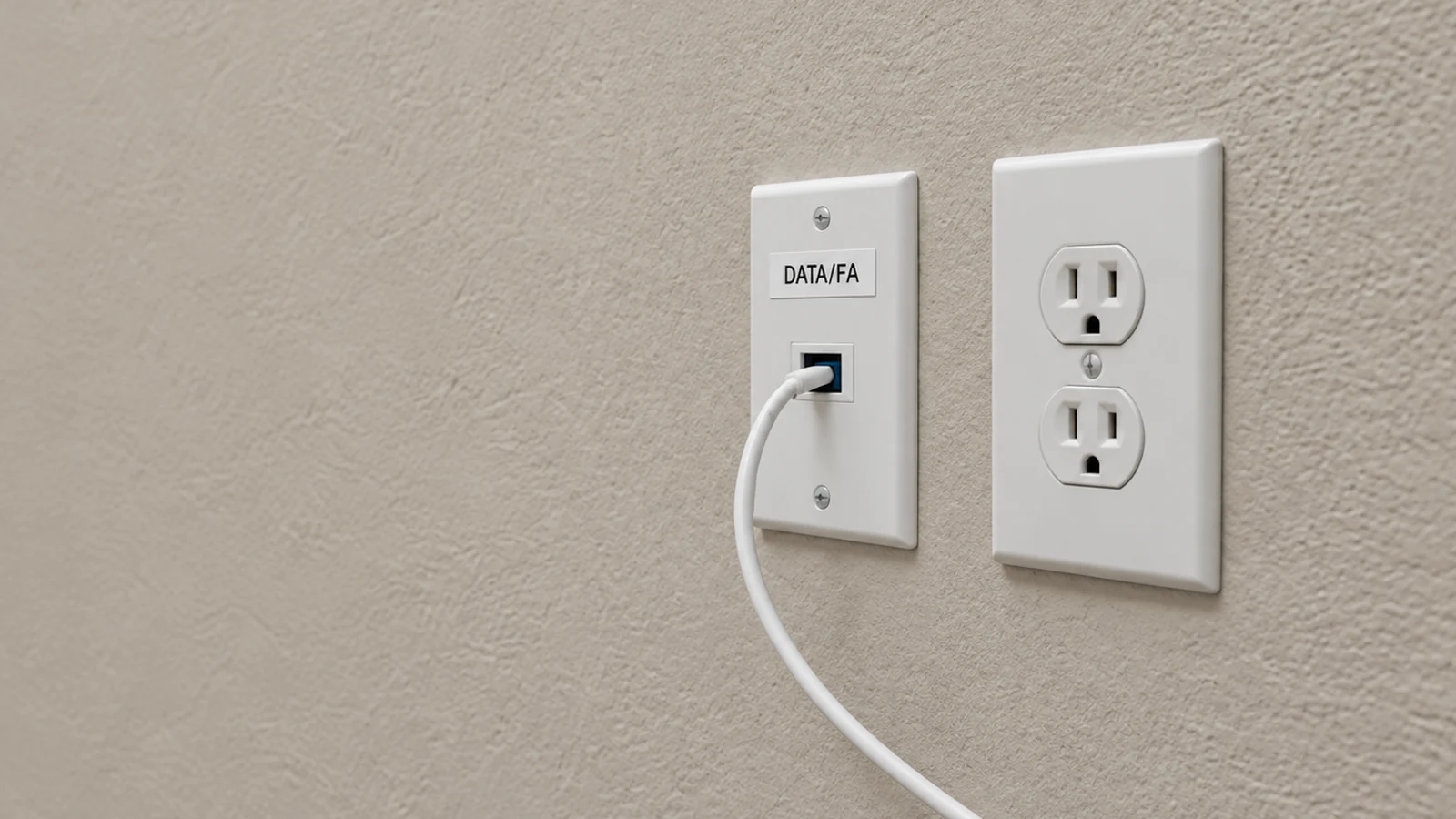
Horizontal cabling should give cameras, access points, phones, workstations and other low-voltage endpoints a traceable physical connection. The scope identifies cable category, pathway, support method, distance, termination hardware, rack position, label convention and the test result required for turnover.
PLANNING RISKS
Congested conduits, sleeves and cable trays can damage new cable or leave no workable route for future additions.
A long route can exceed the allowable channel length once patch cords and equipment placement are included.
Tight turns, unsupported bundles and high pulling tension can change cable performance even when conductors remain continuous.
Ports become difficult to trace when outlet, cable, patch-panel and rack records do not use the same identifier.
Pair untwist, jacket removal, connector choice and workmanship can introduce loss or crosstalk near the endpoint.
A continuity check, wiremap and standards-based certification answer different questions and should not be treated as interchangeable.
CAPABILITIES
Map endpoint locations to racks while checking route capacity, distance, access and support conditions.
Install horizontal copper suited to the approved application and environment.
Organize cable entry, patch fields, vertical and horizontal management, and available rack space.
Terminate approved jacks, plugs or patch-panel ports with consistent pair handling and strain relief.
Apply matching identifiers at outlets, cables, panels and schedules so a technician can trace the path.
Perform the agreed wiremap, qualification or certification testing and preserve the resulting records where applicable.
PROPERTY APPLICATIONS
Provide workstation, phone, printer and shared-device drops before furniture and active equipment are commissioned.
Explore Office buildoutPlace cable and pathway for planned camera positions while preserving distance, support and rack records.
Route ceiling drops to surveyed AP locations without turning the cabling scope into wireless configuration.
Add traceable copper for registers, back-office devices and approved low-voltage endpoints.
Explore Retail and POS changesPlan long routes, intermediate telecom spaces and protected drops for operational devices.
Explore Warehouse device expansionRe-label and organize passive terminations so future moves and troubleshooting begin from a readable patch field.
TECHNICAL PLANNING
Define whether the tested boundary stops at the installed jacks or includes patch cords and connected-channel components.
Choose Cat6 or Cat6A from bandwidth, PoE, distance, pathway and lifecycle needs rather than from a label alone.
Account for existing occupancy, bend radius, support intervals, service loops and accessible pull points.
Maintain appropriate separation and pathway choices around power, motors and other interference sources.
Reserve panel positions, cable-entry routes and management space before large bundles reach the telecom room.
Tie outlet labels to panel ports and the required test result so the installed path can be traced after turnover.
PROJECT GUIDANCE
Passive cable ends at a jack, patch panel or approved device termination; switching, PoE, VLANs and addressing begin in the Network Solutions scope. The handoff should identify each path clearly enough for the active-system owner to connect and troubleshoot the endpoint without guessing at the cable route.
EAST ORLANDO CONTEXT
Office renovations near Baldwin Park and East Colonial often place new endpoints into finished spaces with shared ceiling pathways, while warehouse and service properties toward Goldenrod or the Orlando Executive Airport area may involve longer runs and exposed operational zones. The route and rack condition should drive the cabling plan.

RELATED PATHS
RELATED PATHS

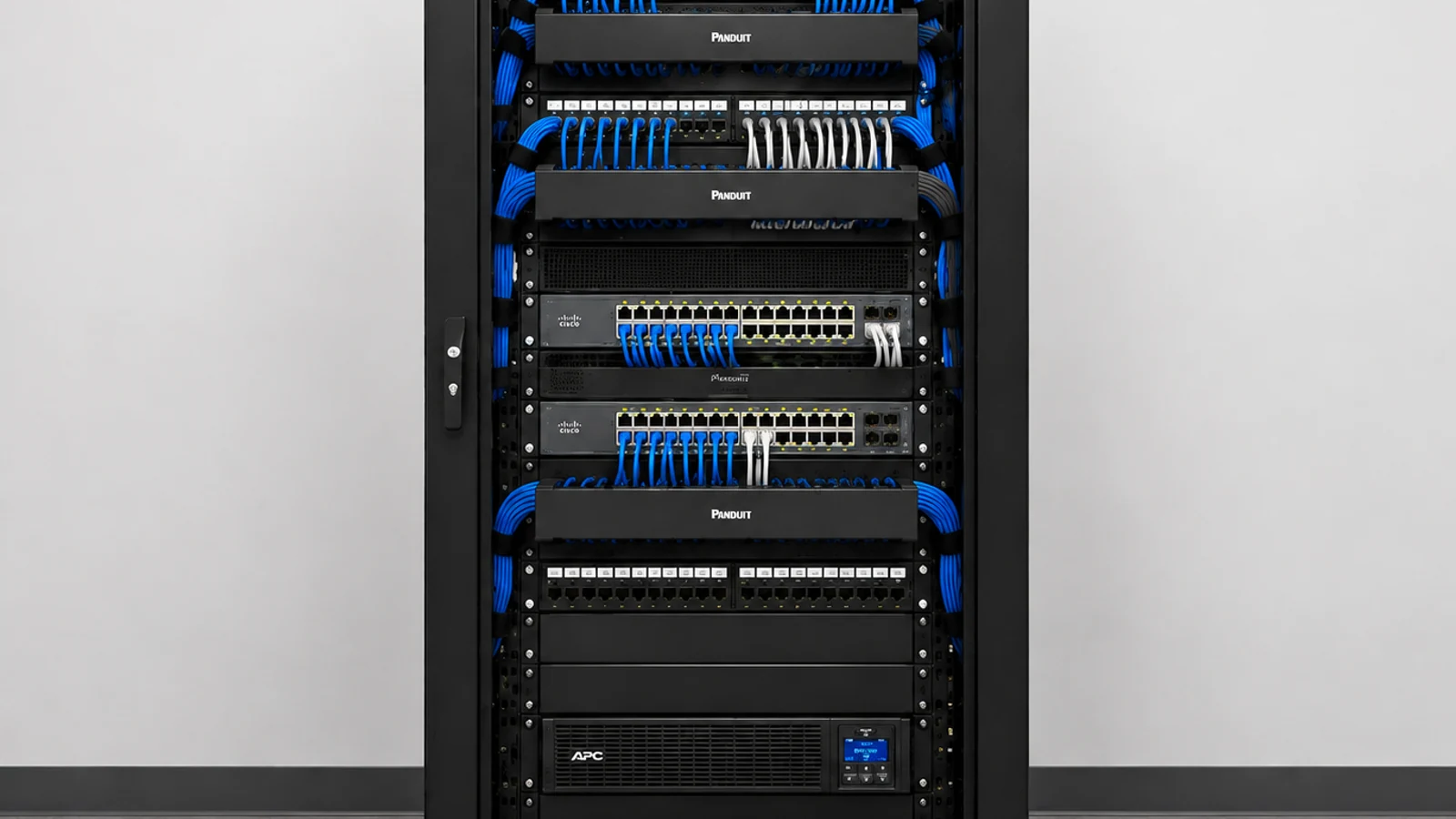
Dense endpoint moves require organized copper, patch fields and turnover records.
Explore Office and Retail Buildouts
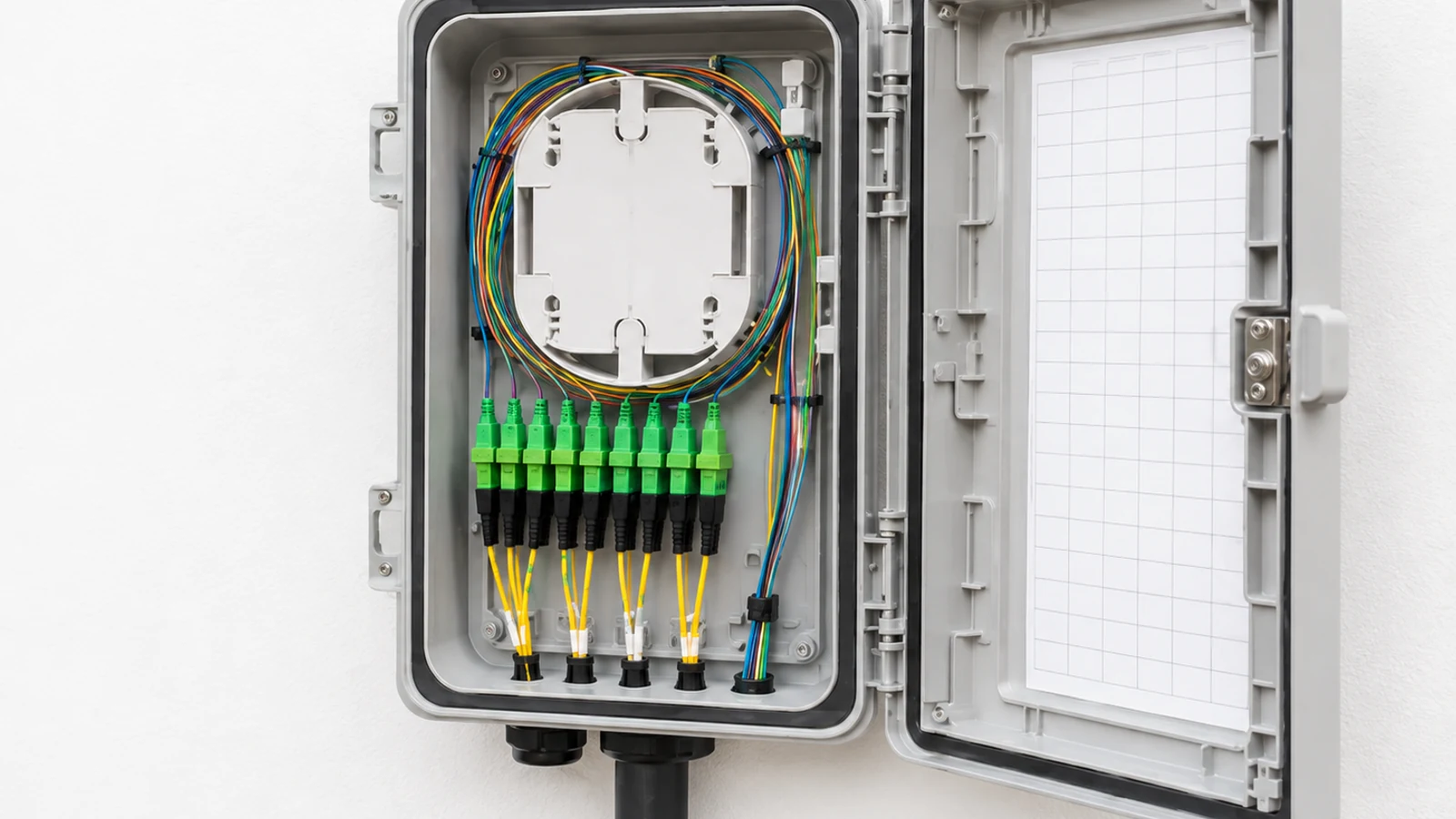
Long routes and dispersed devices increase pathway and telecom-room planning needs.
Explore Warehouses and Logistics
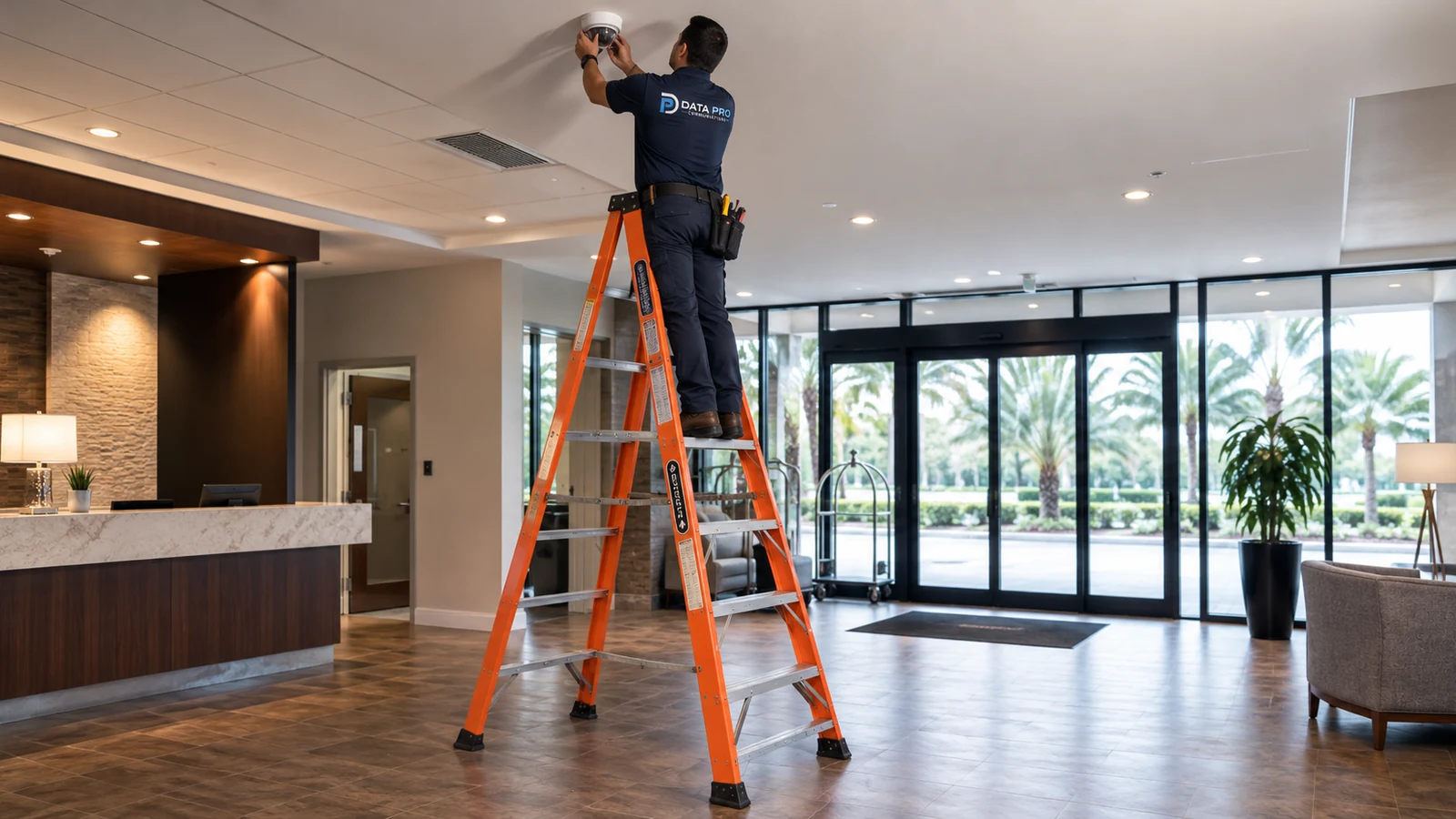
Traceable drops help separate device connectivity from clinical or business network administration.
Explore Professional FacilitiesPROJECT PROCESS
Locate devices, racks, sleeves, trays and access conditions, then measure likely routes.
Install the approved copper using suitable pathways, supports, bend control and service loops.
Land both ends, organize rack entry and apply the label convention across outlets and panels.
Run the agreed tests, correct failed links and provide the final port and cable schedule.
LICENSED SUPPORT
Data Pro Communications operates under FL License #EC13016138. Cabling trust is visible in supported pathways, disciplined terminations, matching labels and test records that let the customer trace each copper link after turnover.
FAQ
Cat6 and Cat6A differ in construction, diameter, alien-crosstalk control and supported application distance. The better choice depends on the channel, PoE load, pathway space and lifecycle plan.
A standards-based copper channel is generally planned around a 100-meter total channel, including installed cable and patch cords. Actual design should account for the permanent-link boundary and equipment placement.
Yes, a traceable installation should use matching identifiers at the endpoint and patch panel, with the same information carried into the port schedule or as-built record.
Specify the evidence needed. Wiremap checks conductor pairing, qualification estimates application support, and certification compares a link with a selected cabling standard using calibrated test equipment.
Reuse depends on route, condition, termination, distance, test results, PoE demand and the application the cable must support. Existing labels alone do not establish performance.
A defined cleanup can include tracing, re-terminating failed links, replacing damaged patch cords, labeling panels, improving cable management and updating the port schedule. Active switch changes are a separate network scope.
Often they can when pathway capacity, support, cable type, separation and local site constraints permit. Each link should still receive its own route, termination and label record.
Tight bends can distort pair geometry and increase loss or crosstalk. Pathways and management should guide cable without pinching or forcing sharp turns.
The cabling plan should coordinate available rack units, cable entry, management and active-equipment layout with the customer or network owner before termination begins.
Useful turnover includes outlet-to-panel mappings, labels, rack and panel identifiers, pathway or as-built notes, test results and a record of exceptions or retained links.
Share the endpoint count, room or device locations, rack destination and known pathways. A cabling survey can turn those physical conditions into routes, labels and test requirements.