
Florida Licensed
FL License #EC13016138 for low-voltage systems work.
CREDENTIALS, READERS AND CONTROLLED ENTRY
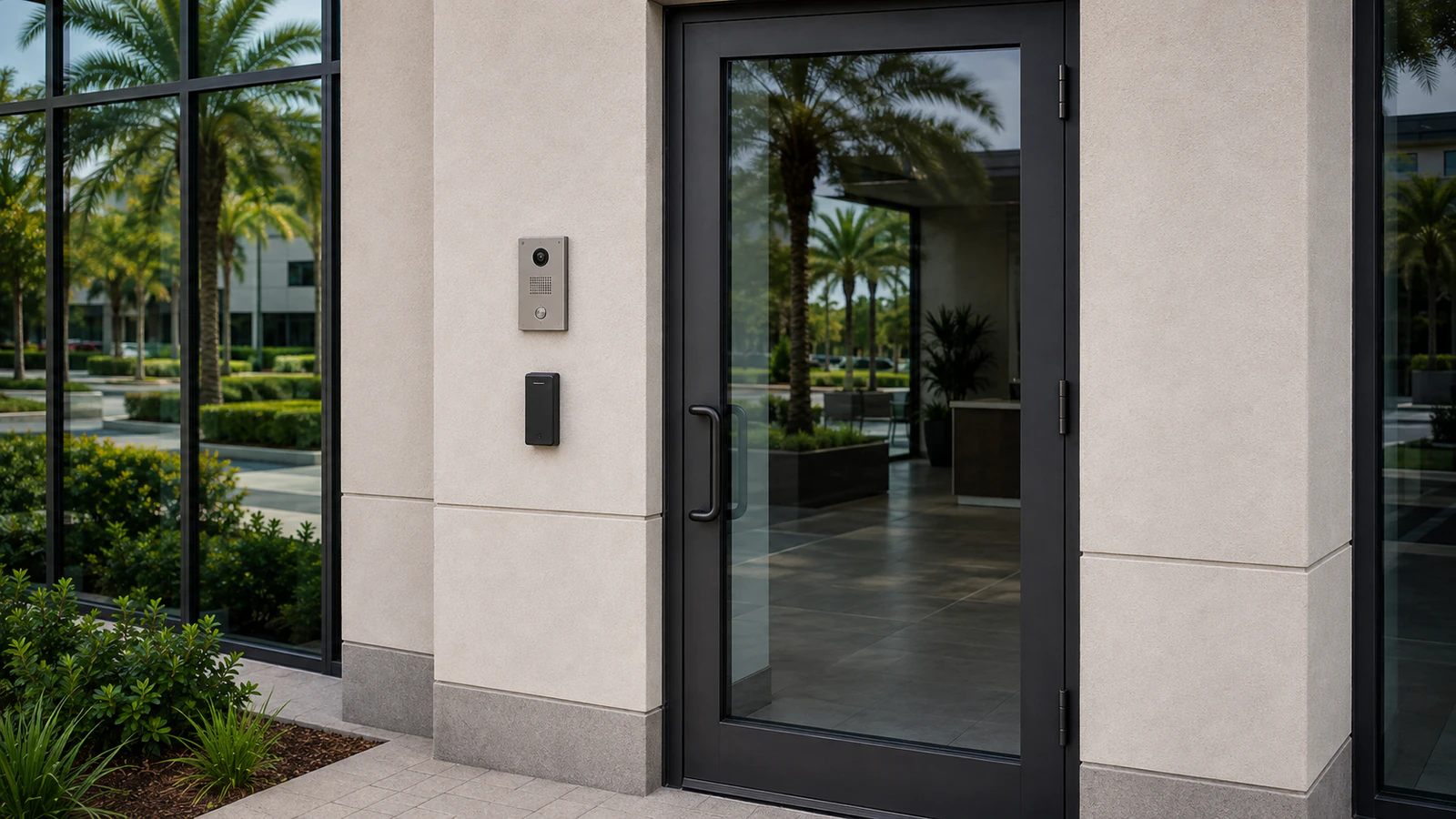
Access control decides which credential can operate which opening and when. That workflow depends on the reader, controller, locking hardware, request-to-exit, door monitoring, power, network and the people responsible for user access.
Data Pro Communications plans supported controlled-door and gate interfaces while keeping visitor communication on the separate Intercom Entry Systems path.
FL License #EC13016138 for low-voltage systems work.
Door, frame, hardware, power, egress and monitoring conditions are reviewed together.
Authorized customer administrators control enrollment, schedules and user removal.
Granted access, exit, held-open and forced-open behavior is tested where supported.
Camera context and intercom release do not replace access-control credentials or door logic.
PROJECT GUIDANCE
A controlled opening is a coordinated system, not a reader mounted beside a door. The scope identifies the credential population, schedule, lock behavior, egress method, door status, event history, network path and administrative ownership needed for normal use and exception handling.
PLANNING RISKS
The selected lock, strike or magnetic device may not match the frame, latch, door condition or operating sequence.
Controlled entry must not obscure required exit behavior; door and life-safety coordination requires qualified project review.
Shared accounts and undefined enrollment authority make user removal and audit review unreliable.
A valid unlock command does not prove the door opened, closed or remained secure.
Holiday, after-hours and temporary access can fail when time, calendars and permission groups are not maintained.
Controllers, readers and management services may respond differently during outages or lost connectivity.
CAPABILITIES
Document door, frame, latch, existing hardware, power, egress and monitoring conditions.
Define supported readers, credential types, enrollment ownership and user groups.
Connect approved strikes, maglocks or other interfaces with the controlled-opening workflow and qualified door partners where required.
Configure supported exit inputs and position monitoring for the intended event record.
Build role, opening and time relationships that reflect actual staff and property operations.
Test granted, denied, exit, held-open and forced-open scenarios supported by the platform and document the results.
PROPERTY APPLICATIONS
Limit a restricted room to assigned employees while preserving exit and door-status behavior.
Apply schedules and tenant or management credential groups to a common opening.
Coordinate reader, controller, gate operator, safety devices and authorized release responsibilities.
Separate clinical or records access by role and operating schedule.
Explore Healthcare staff areaRecord credential events at a controlled internal asset area.
Explore Warehouse cage or stock roomStandardize naming and user ownership while keeping each property opening and schedule distinct.
Explore Multisite administrationTECHNICAL PLANNING
Verify handing, latch, closer, alignment, fire rating and available pathway before selecting the locking interface.
Document intended behavior during power loss and coordinate egress requirements with the appropriate qualified parties.
Map reader, lock, request-to-exit, door contact, alarm and auxiliary functions by opening.
Define enrollment, activation, suspension, expiration and removal under customer ownership.
Controllers, servers, cameras and event systems need coordinated time and permitted connectivity when integrations are used.
Test each credential and door-state scenario rather than accepting a single successful unlock.
PROJECT GUIDANCE
Access control may exchange door status or credential events with cameras and may receive a release request from an intercom. Time, network paths, event naming and user permissions should be aligned, but credentials and door logic remain separate from video review and visitor communication.
EAST ORLANDO CONTEXT
East Orlando offices, managed properties and professional facilities may have very different opening conditions even within the same corridor. Older doors near Goldenrod or East Colonial can present retrofit constraints, while newer Waterford Lakes or Lake Nona spaces may place more emphasis on networked controllers and centralized user administration.
RELATED PATHS
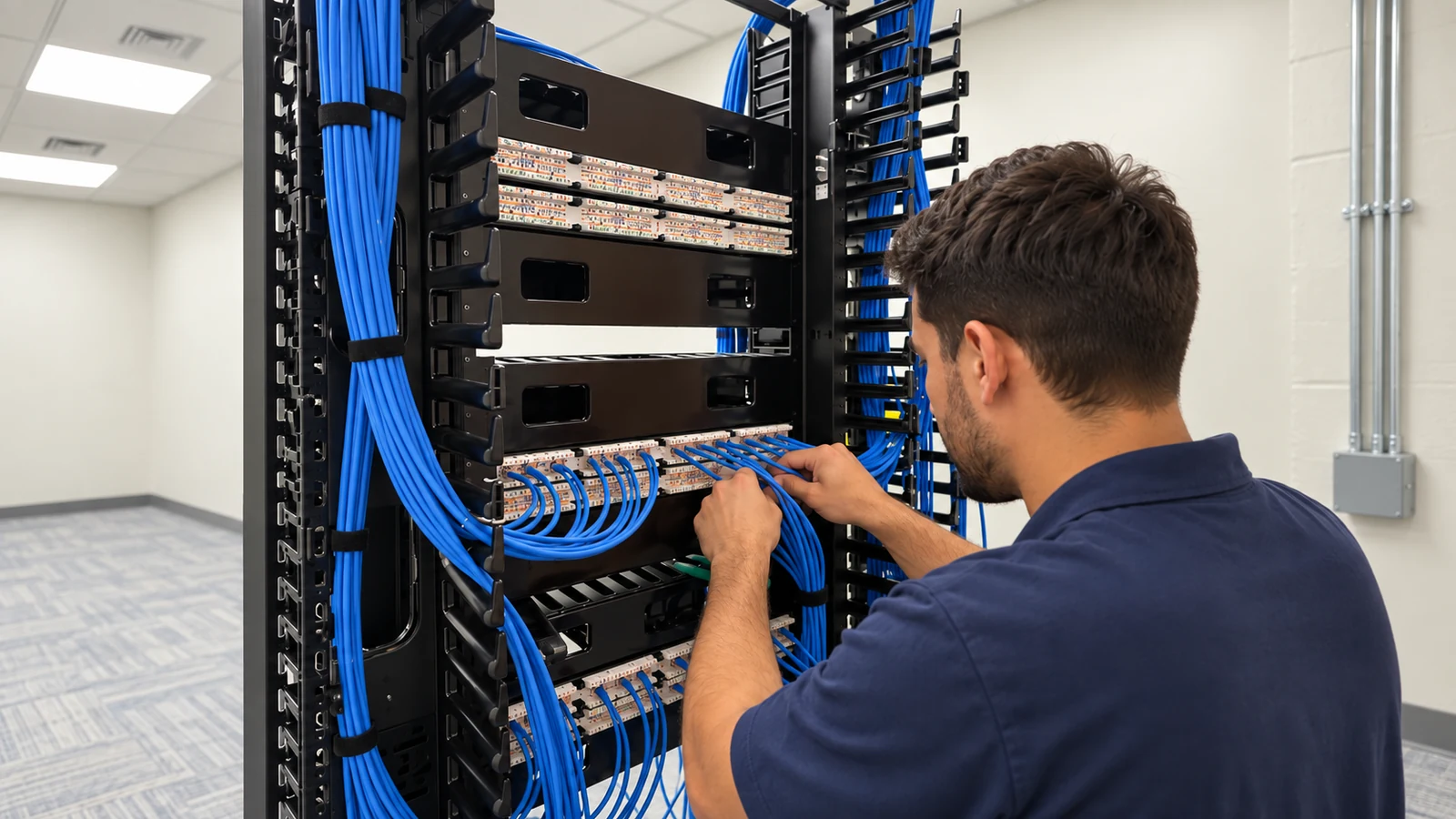
RELATED PATHS
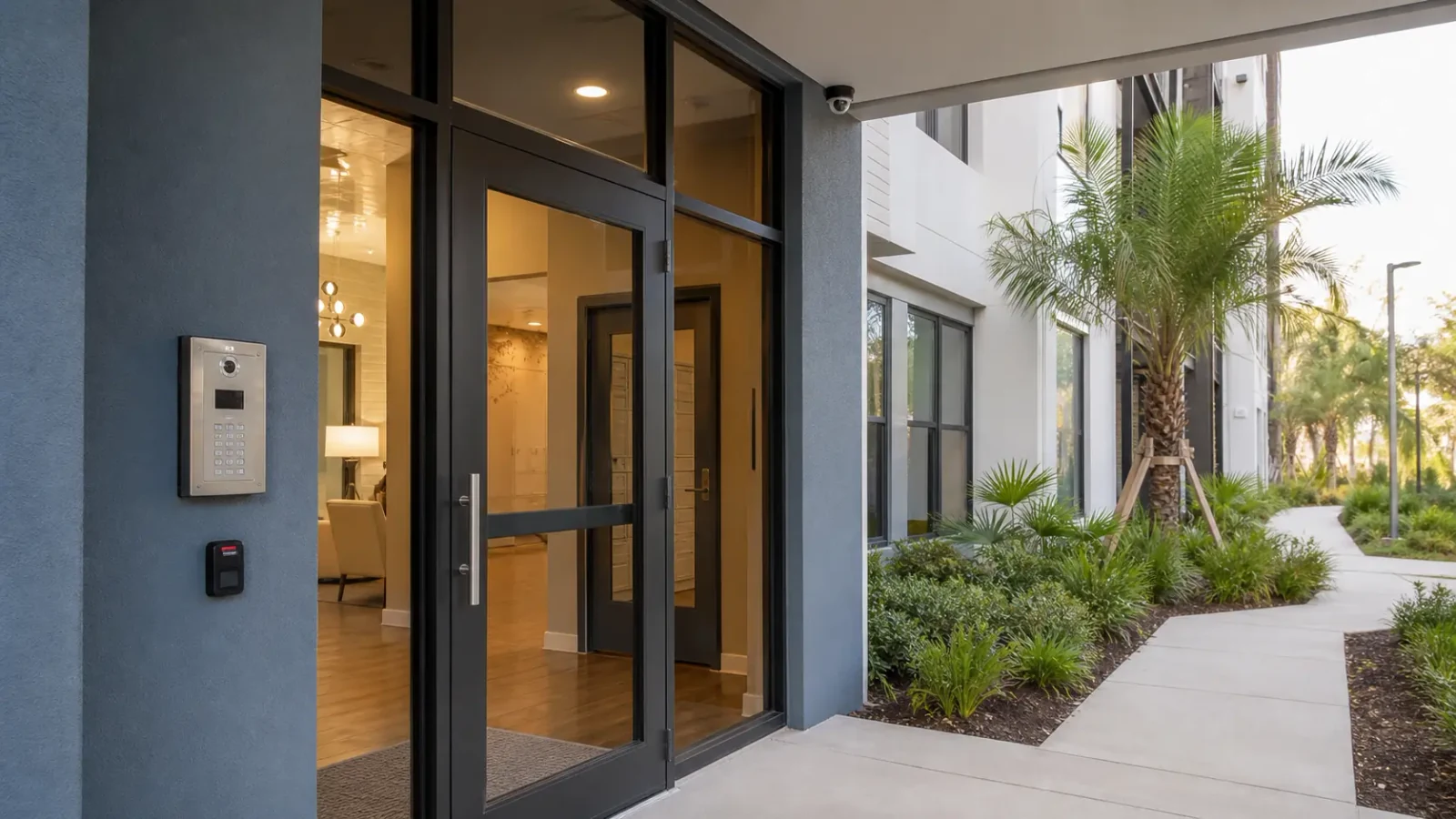
Credential groups and schedules protect staff-only and records areas.
Explore Staffed Offices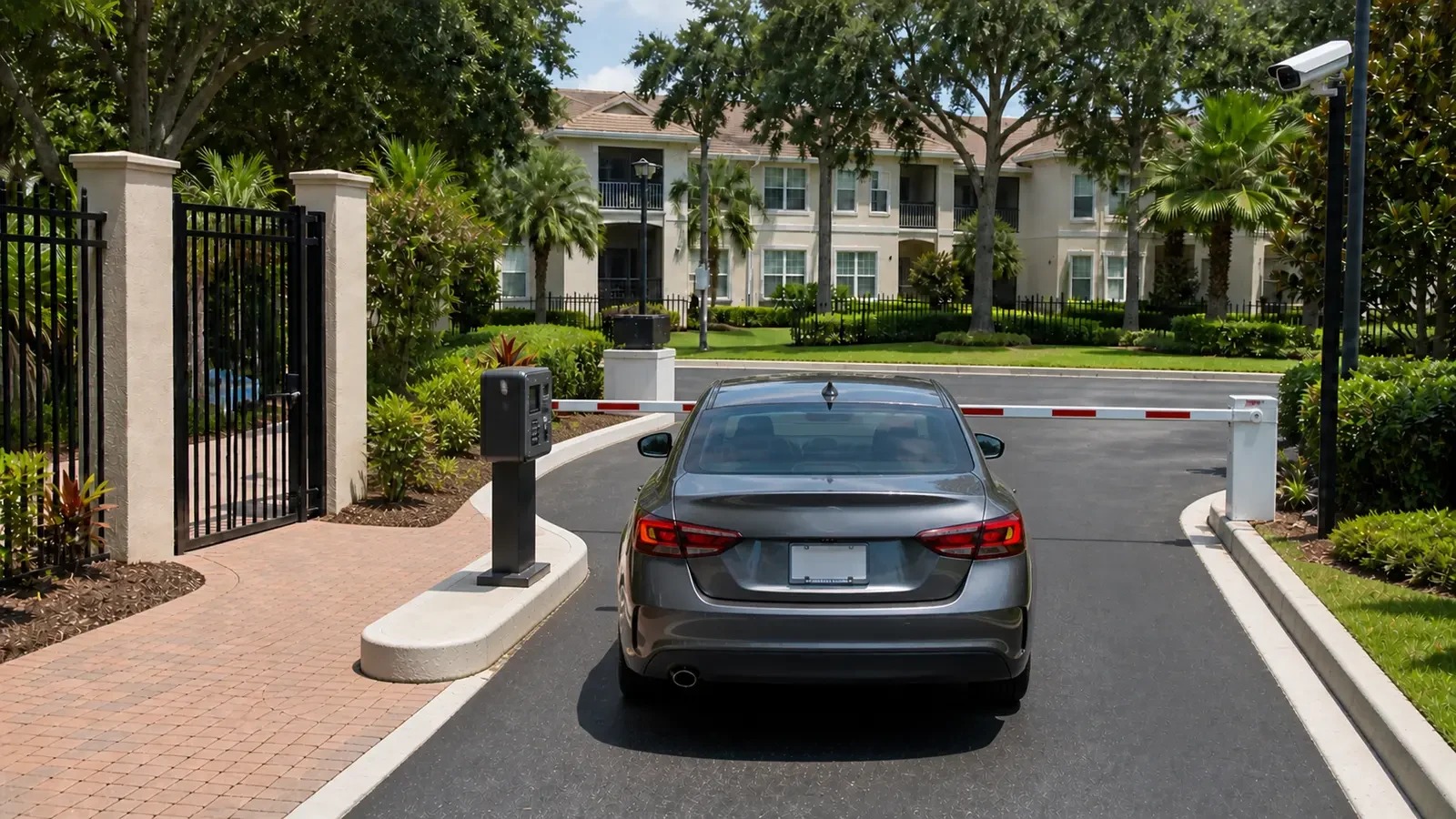
Common openings require clear enrollment, release and audit ownership.
Explore Managed Communities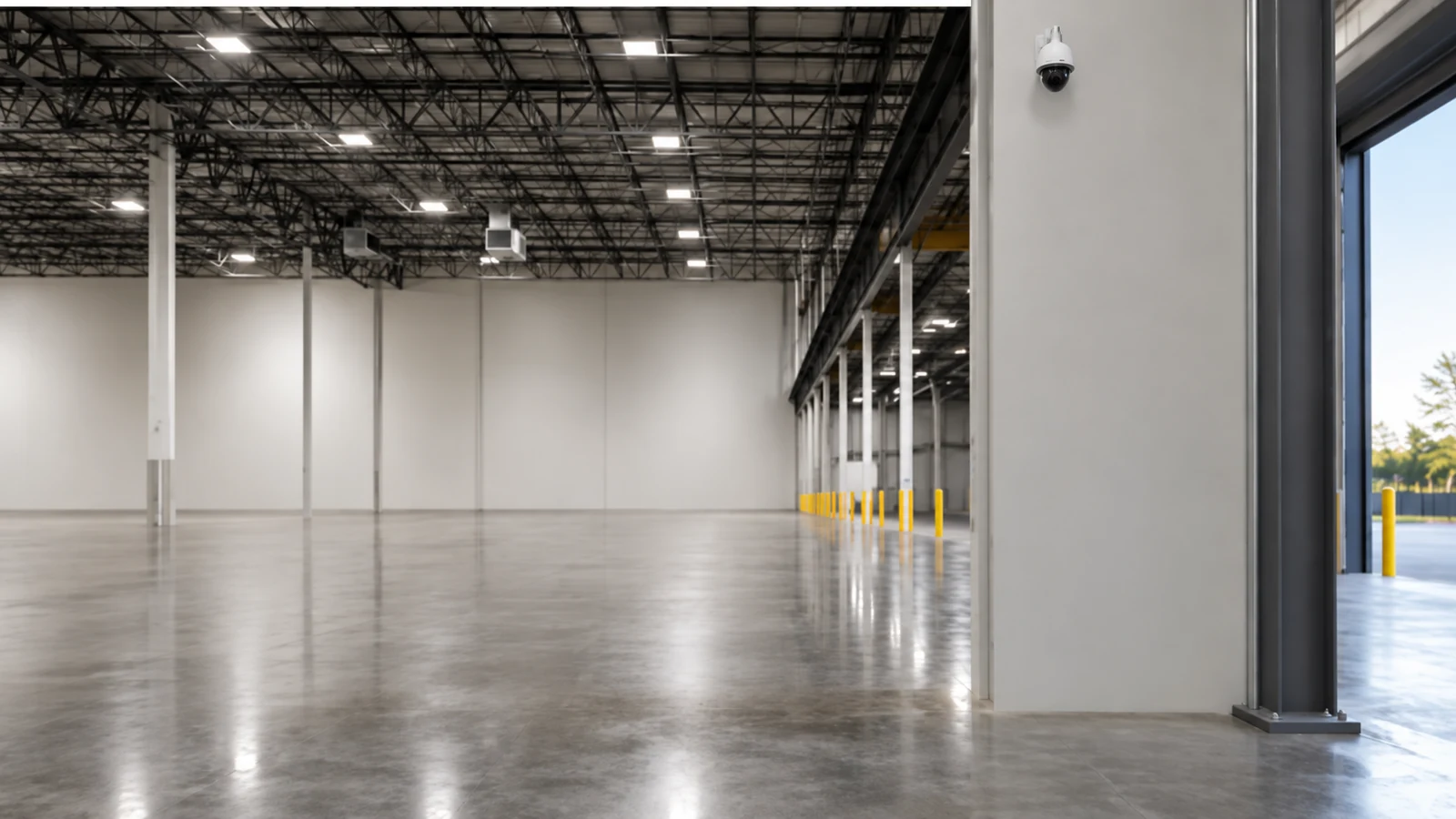
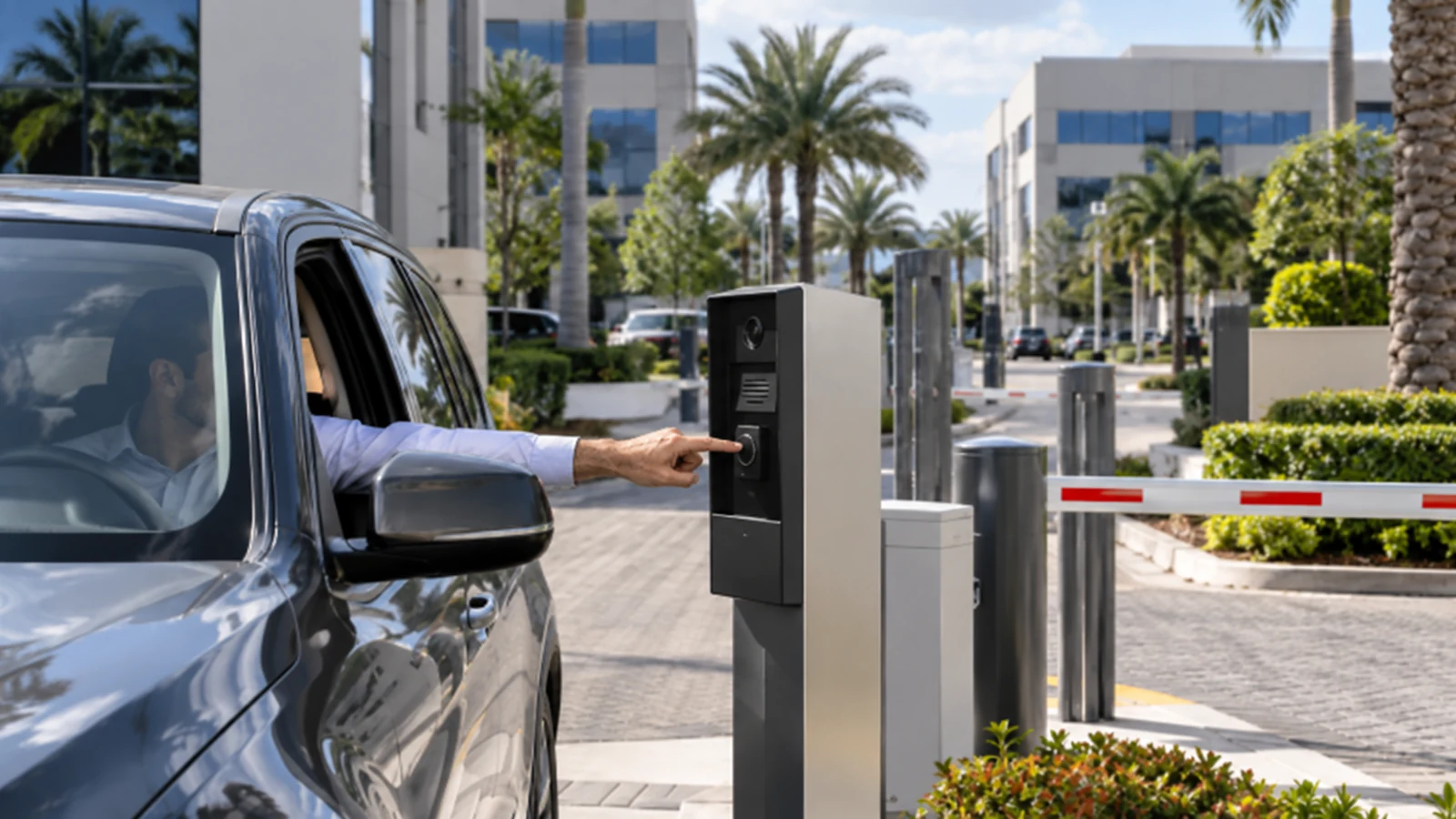
Vehicle gates and internal cages combine hardware, safety and credential workflows.
Explore Warehouses and Service SitesPROJECT PROCESS
Inspect door, frame, hardware, power, pathway, egress and existing system conditions.
Map user groups, schedules, lock behavior, exit and monitoring requirements.
Coordinate the reader, controller, locking interface, inputs and platform settings for the approved opening.
Verify granted, denied, scheduled, exit and monitored-door behavior, then deliver user and opening records.
LICENSED SUPPORT
Data Pro Communications operates under FL License #EC13016138. Access-control trust comes from a surveyed opening, defined credential ownership and tested granted, denied, exit and monitored-door behavior without promising code approval.
FAQ
A typical opening can include a reader, controller, locking interface, power supply, request-to-exit device, door-position contact, network path and management software. The exact set follows the door workflow.
An authorized customer administrator should own enrollment and removal. The platform can assign credentials to user groups, doors and schedules with individual audit records.
Request-to-exit is an input that tells the system an authorized person is leaving through the controlled opening. Its device and logic depend on the door and egress design.
It lets the system record whether the door is open or closed and can support held-open or forced-open events. It does not by itself identify who passed through.
Behavior depends on the lock type, power supply, battery, controller and required egress or security mode. The intended fail condition must be defined for the specific opening.
Compatible platforms may associate a door event with a camera view when time, network paths and permissions are aligned. Each integration should be tested without implying automatic identity verification.
Not automatically. Access control manages credentials and door logic; an intercom manages visitor communication and release requests. The two may integrate at an approved opening.
Reuse depends on condition, voltage, signaling, credential technology, controller compatibility, door hardware and whether the component meets the approved workflow.
Provide opening names, reader and lock relationships, user-role ownership, schedules, tested events, administrator recovery and any retained-hardware notes.
Door, fire, egress and accessibility requirements should be reviewed by the appropriate licensed or qualified project parties. The low-voltage handoff should not promise code approval.
List the doors or gates, credential groups, schedules and existing hardware. An opening survey can connect the physical door condition with the required access and audit workflow.