
Florida Licensed
FL License #EC13016138 for low-voltage systems work.
ARRIVAL, FRONT DESK, PARKING AND BACK-OF-HOUSE OPERATIONS
Hospitality properties operate through overlapping guest, staff, vendor and delivery paths. Camera planning should distinguish arrival and front-desk context from parking, service entrances, loading and back-of-house activity while respecting privacy-sensitive rooms and guest areas.
Because occupancy continues through installation and service, work is often phased by entrance, floor, service zone or low-traffic period. Recording access also needs roles that serve operations without turning every employee into an administrator.
FL License #EC13016138 for low-voltage systems work.
Private rooms and unrelated guest areas remain outside the approved camera purpose.
Installation is phased around arrival, events, housekeeping and service activity.
Back-of-house and delivery routes receive their own scene planning.
Front desk, management and administration permissions are not assumed to be identical.
PROJECT GUIDANCE
A hospitality survey follows the public journey from parking or drop-off to entry and front desk, then separately maps staff access, deliveries, loading and back-of-house circulation. The camera system, access control and network can coordinate selected events, but each platform retains its own permissions and operational purpose.
PLANNING RISKS
Noise, lift access and temporary closures can interfere with guest arrival and room turnover.
Guest rooms, restrooms and other private areas must remain outside the camera purpose.
Canopies, glass doors, headlights and changing daylight complicate entrance scenes.
Loading, kitchens, maintenance and staff entrances may sit far from the front-desk network core.
Front desk, security, management and IT roles may need different playback or export rights.
Property systems can share switches or accounts without clear ownership between hotel staff and outside providers.
CAPABILITIES
Define parking, drop-off, vestibule and front-desk transitions without extending into private areas.
Cover staff entrances, receiving, loading and selected service corridors as separate workflows.
Stage pathways, mounting and cutovers around check-in, events and housekeeping operations.
Assign live, playback, export and administration rights to appropriate hotel functions.
Document guest, staff, security and building-system segmentation where camera traffic is carried.
Coordinate camera views with supported staff-access or visitor-entry events without implying automatic action.
PROPERTY APPLICATIONS
Observe approach and pedestrian transfer at the entry without relying on a distant parking overview.
Provide surrounding arrival context while keeping desk and guest privacy limits in view.
Review authorized entry and exterior approach during reduced staffing.
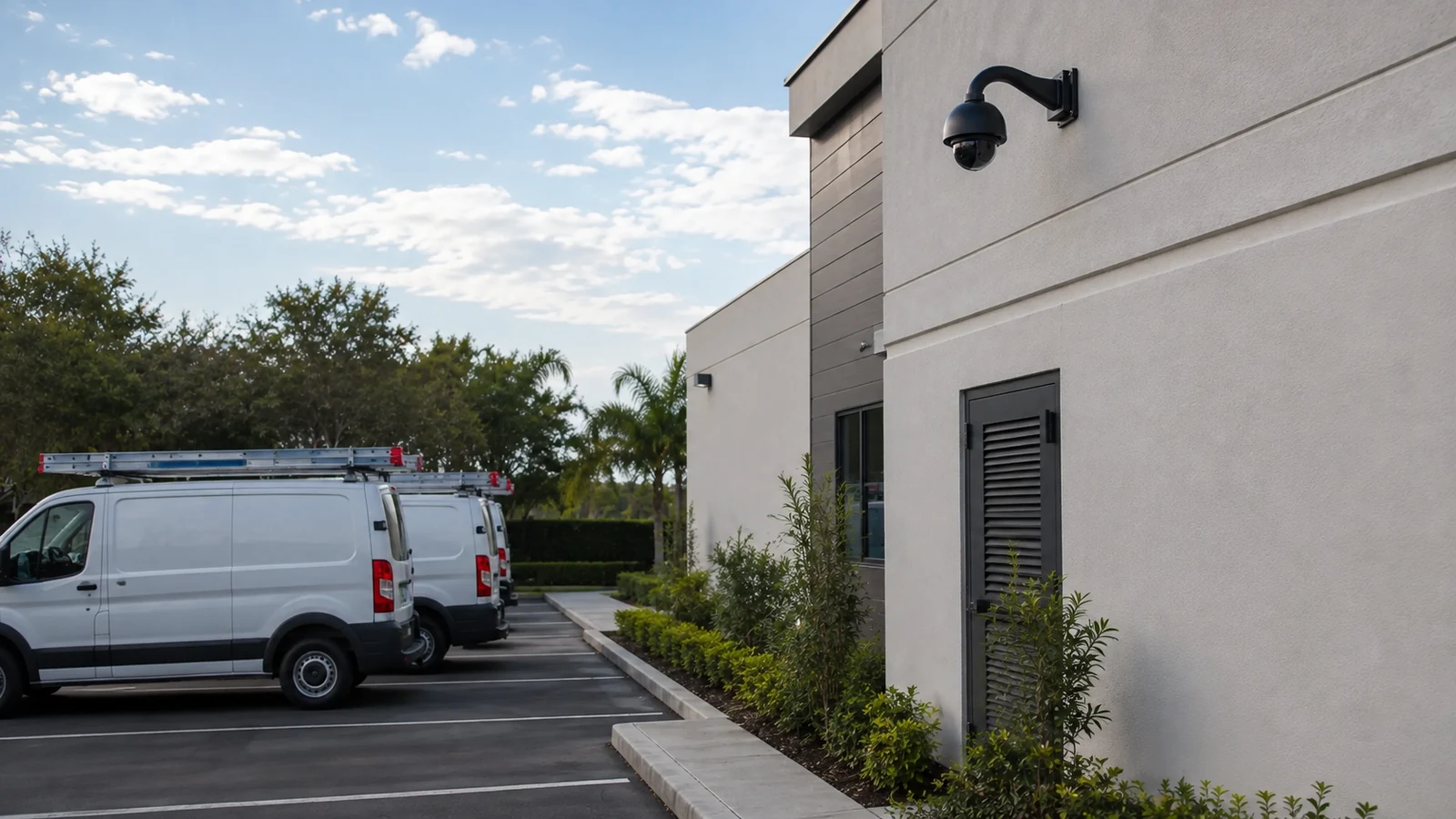
Follow arrival, service-door access and movement toward receiving.
Connect selected exterior circulation with the correct public entrance.
Reassess lobby, meeting-area and service paths when temporary layouts alter sightlines.
TECHNICAL PLANNING
Document private rooms and spaces where cameras are not part of the scope.
Test canopy, glass and headlight conditions across relevant operating periods.
Schedule lifts, drilling and door interruptions around occupancy and property events.
Map distant receiving and staff entrances to switches, uplinks and recording.
Separate operational review from system administration and account recovery.
Synchronize camera and supported door-system timestamps for authorized event review.
PROJECT GUIDANCE
Hospitality camera, access and network systems meet at staff doors, service entrances and operational review. Guest connectivity remains separate, and each supported event relationship should be tested under an authorized account.
EAST ORLANDO CONTEXT
Airport-adjacent hospitality properties around Lee Vista and southeast Orlando may combine extended hours, vehicle arrivals and remote service areas. This East Orlando page stays focused on the property workflow and avoids claiming tourism clients, airport permissions or Lakehurst-specific operating context.
RELATED PATHS
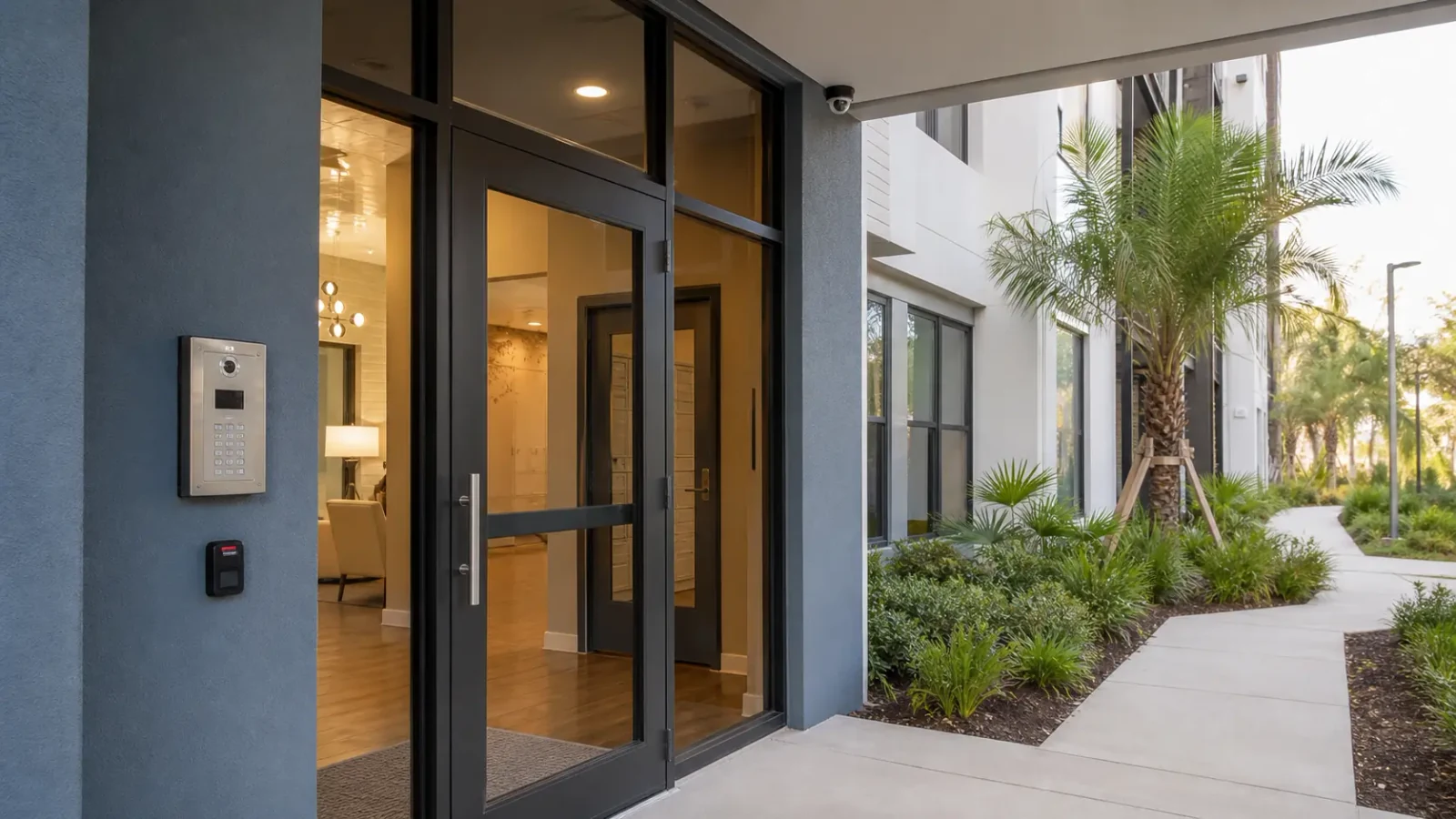
Staff doors and service entrances require controlled-opening and credential workflows.
View Access Control Systems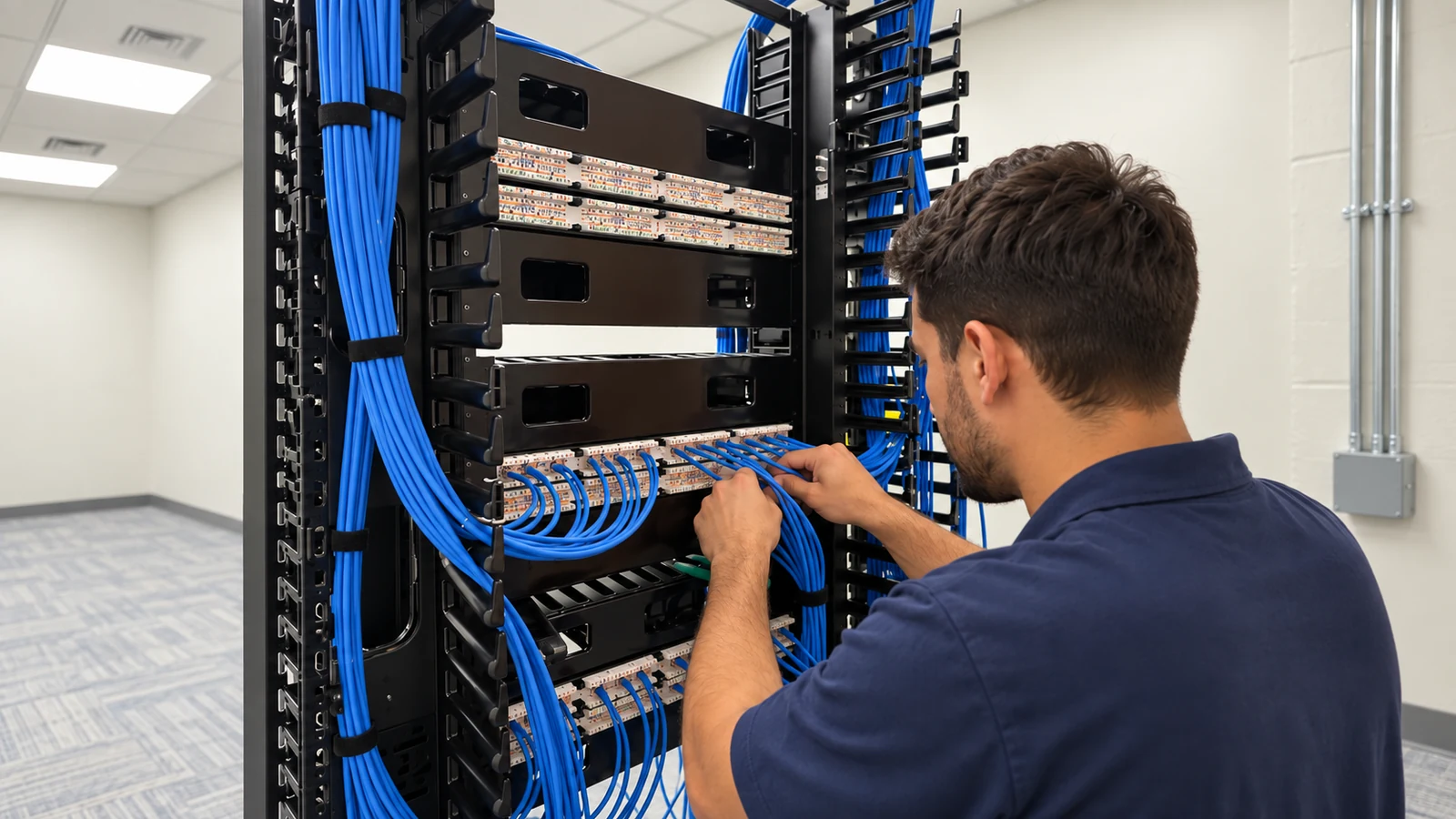
Guest, staff, security and building-system traffic need explicitly owned switching boundaries.
View Network Solutions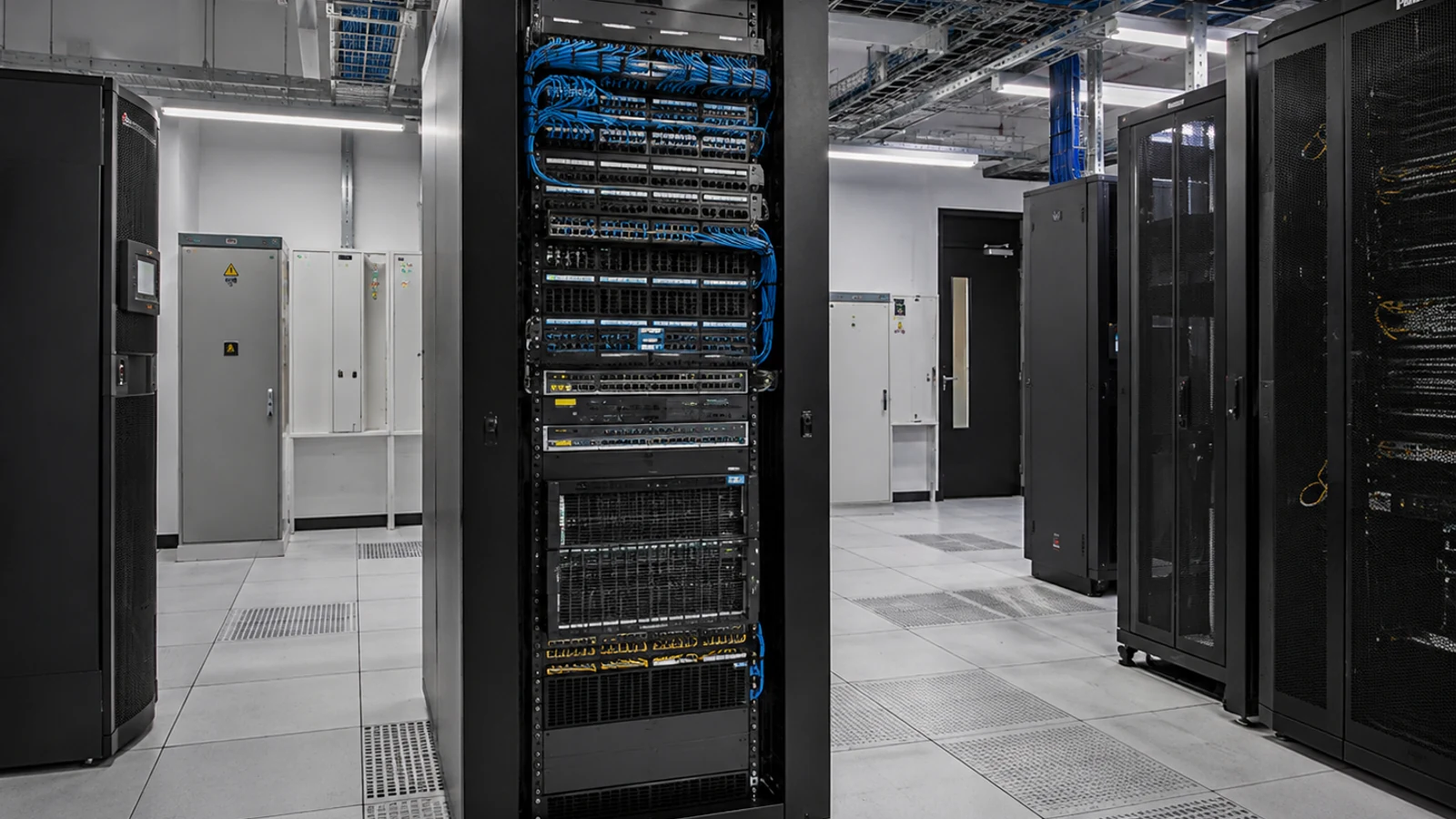
Guest-facing and back-of-house areas need planned pathways that respect occupied operations.
View Cabling ServicesRELATED PATHS
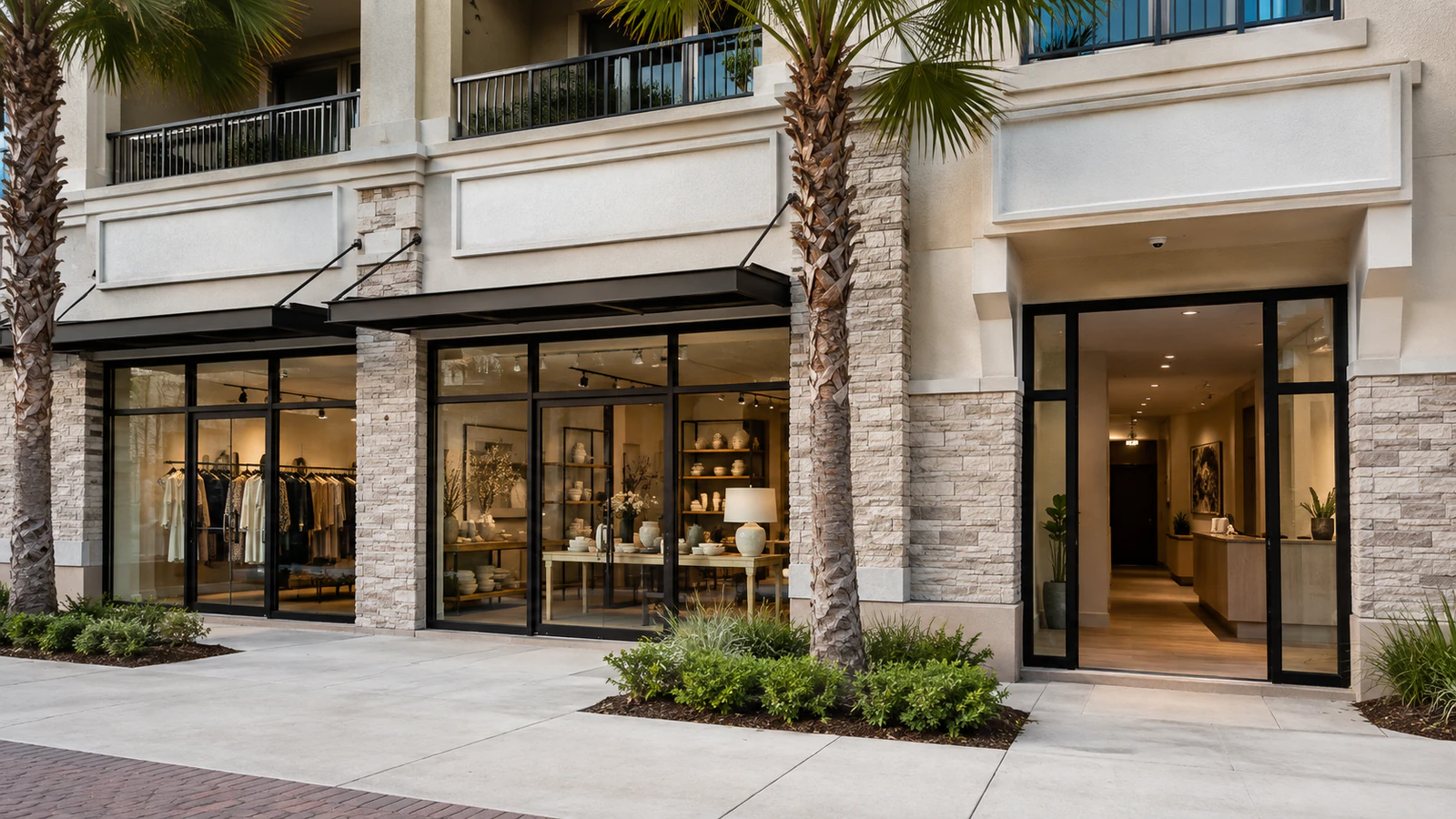
Both receive the public, but hospitality adds continuous occupancy and separated service operations.
Explore Retail & Offices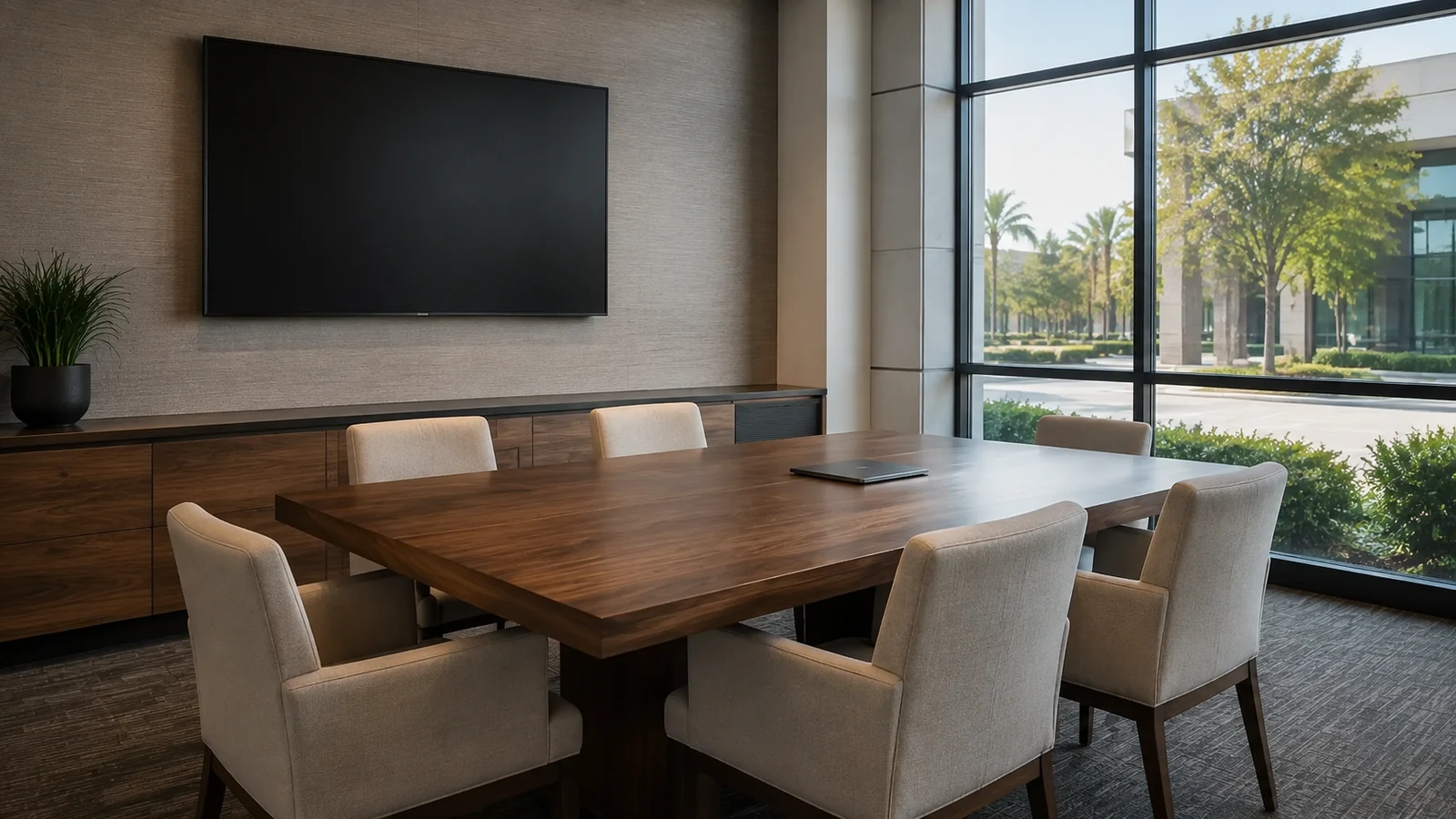
Both can be privacy-sensitive, with different guest, patient and staff workflows.
Explore Healthcare & Professional Offices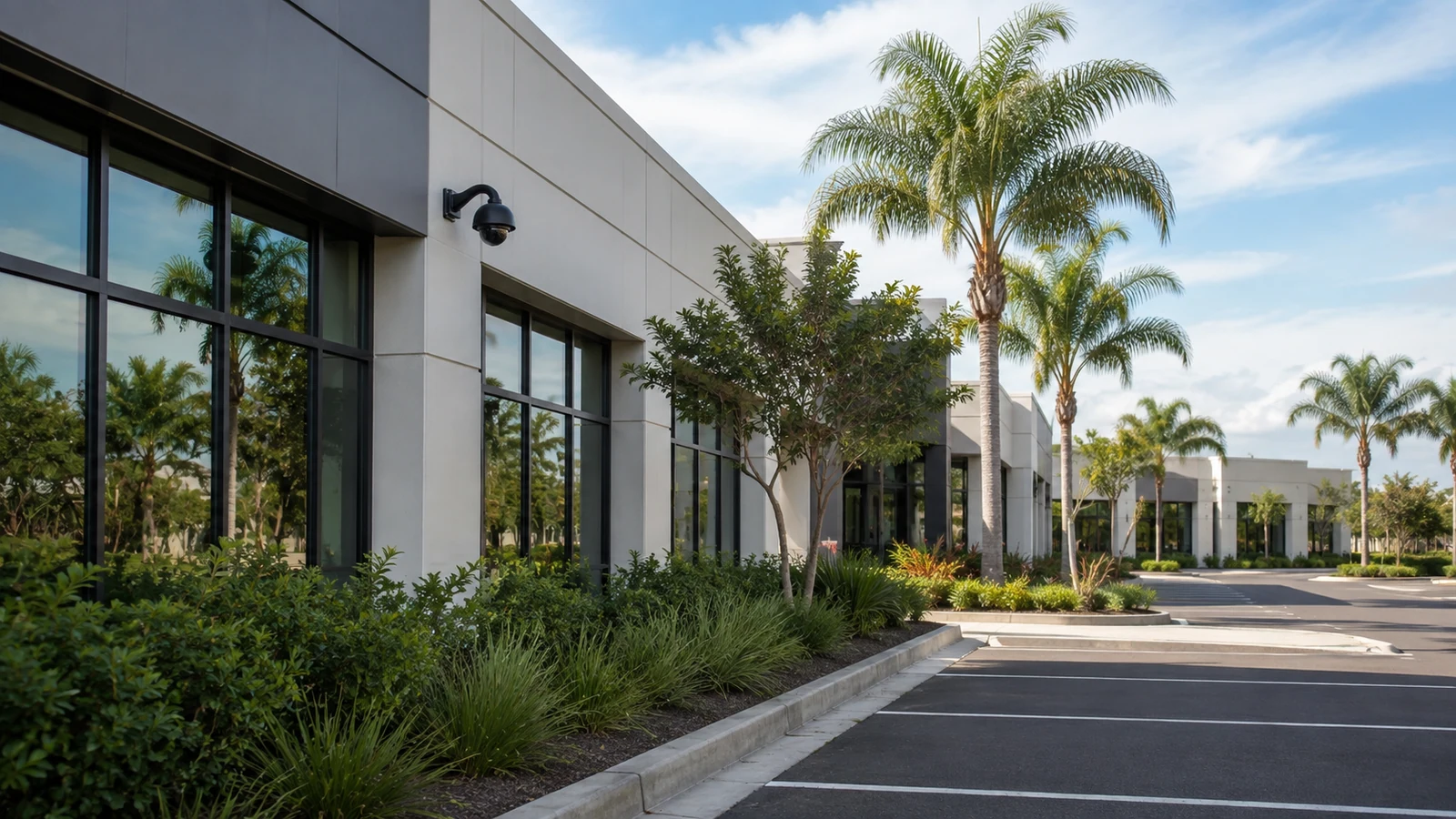
Hotel portfolios may use shared ownership standards across distinct properties.
Explore Property ManagersPROJECT PROCESS
Review arrival, front desk, parking, staff entrances, loading and back-of-house zones.
Approve excluded areas, access roles and installation windows.
Coordinate public and service-zone work without blocking critical operations.
Test arrival and delivery sequences, recorded playback, exports and authorized accounts.
LICENSED SUPPORT
Data Pro Communications operates under FL License #EC13016138. Hospitality planning records guest and service paths, privacy exclusions, occupied work windows and the authorized recording roles used after installation.
FAQ
Guest rooms, restrooms and other spaces with a reasonable expectation of privacy should remain outside the camera scope. Property policy and qualified guidance control final placement.
Divide work by entrance, floor or service zone and schedule disruptive tasks around check-in, events, housekeeping and loading periods.
Canopies, glass, exterior daylight, vehicle headlights and people moving between bright and shaded areas can challenge one fixed exposure.
Usually not. Operational viewing and incident export can be assigned separately from platform administration, user management and recovery.
Service doors involve vendors, staff schedules, deliveries and back-of-house circulation, so their views and access events should follow a different workflow.
Network placement depends on the customer design. Camera traffic should use explicitly owned switching, segmentation, uplinks and administration rather than an assumed guest-network path.
Camera names and timestamps should allow an authorized reviewer to follow movement from selected parking zones to the proper entrance.
Verify required views, recording, playback, export, user roles, relevant night conditions and any supported door-event relationships.
Only after checking supported camera formats, channels, licenses, incoming bandwidth, usable storage, retention and system support status.
Include camera maps, privacy exclusions, account roles, recording and export results, service-zone network notes and documented retained equipment.
Identify guest and service paths, privacy exclusions, occupancy constraints and current system roles before planning work in an operating property.