
Florida Licensed
FL License #EC13016138 for low-voltage systems work.
ANALOG, IP AND HYBRID CCTV SYSTEMS
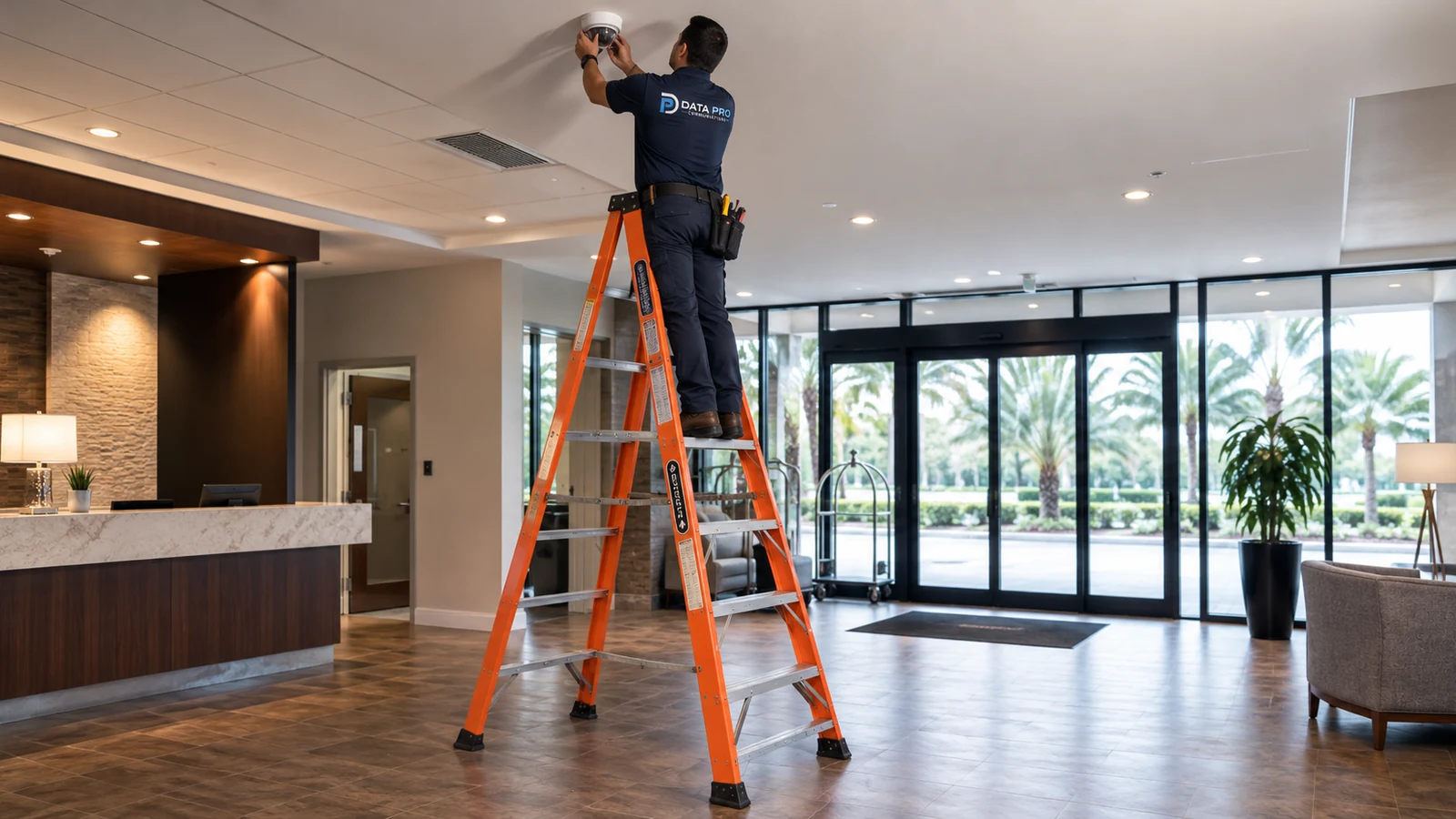
Commercial CCTV projects often begin with installed coax, powered analog cameras, a DVR nearing channel limits or a mixed system that cannot be replaced all at once. The first task is to identify formats, signal paths and recorder constraints.
Data Pro Communications plans new and staged CCTV work around usable infrastructure, compatible channels, evidence needs and a migration sequence that keeps supported components in service where practical.
FL License #EC13016138 for low-voltage systems work.
The CCTV scope identifies signal formats, recorder channels, power methods and networked additions before replacement decisions are made.
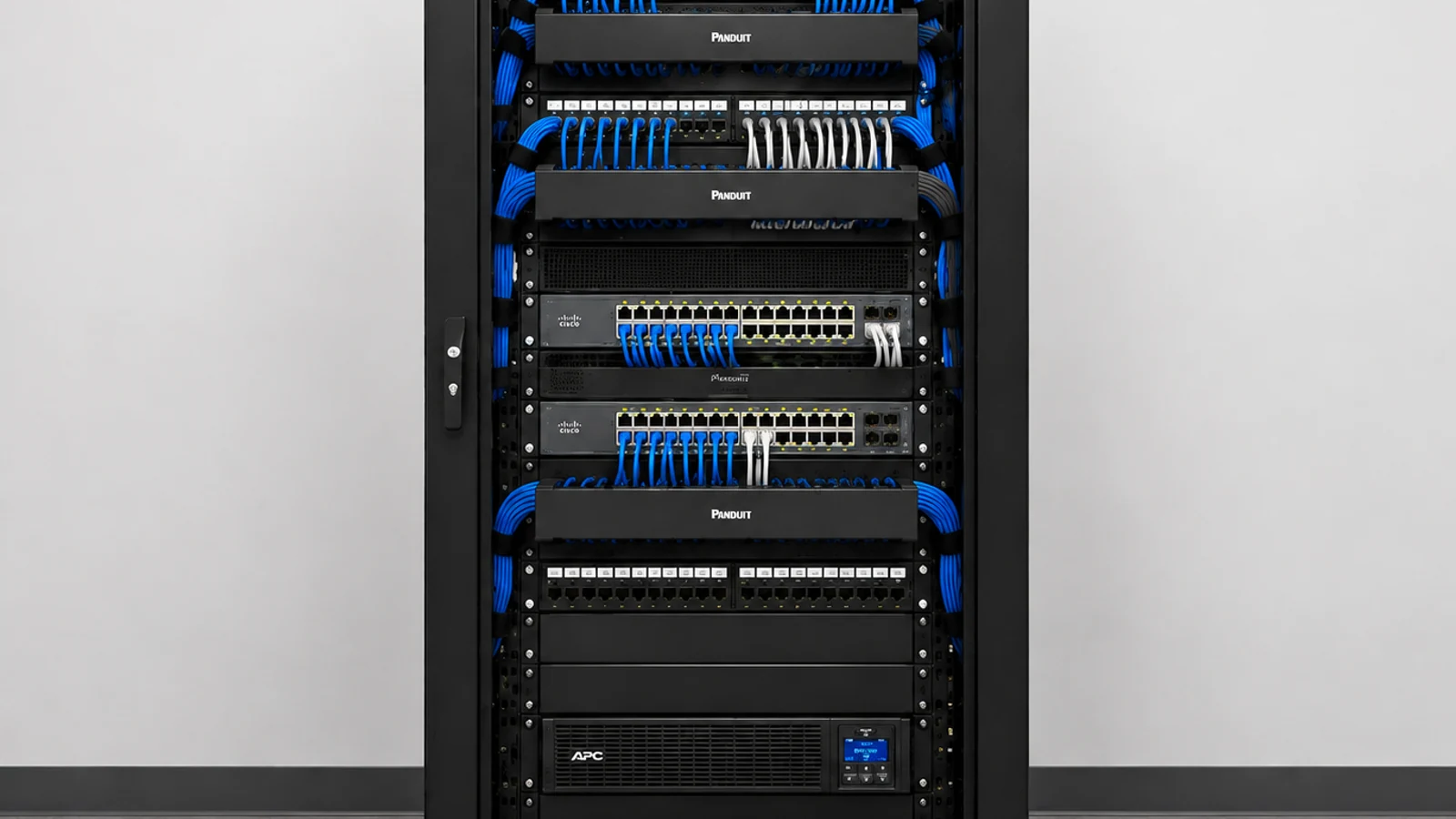
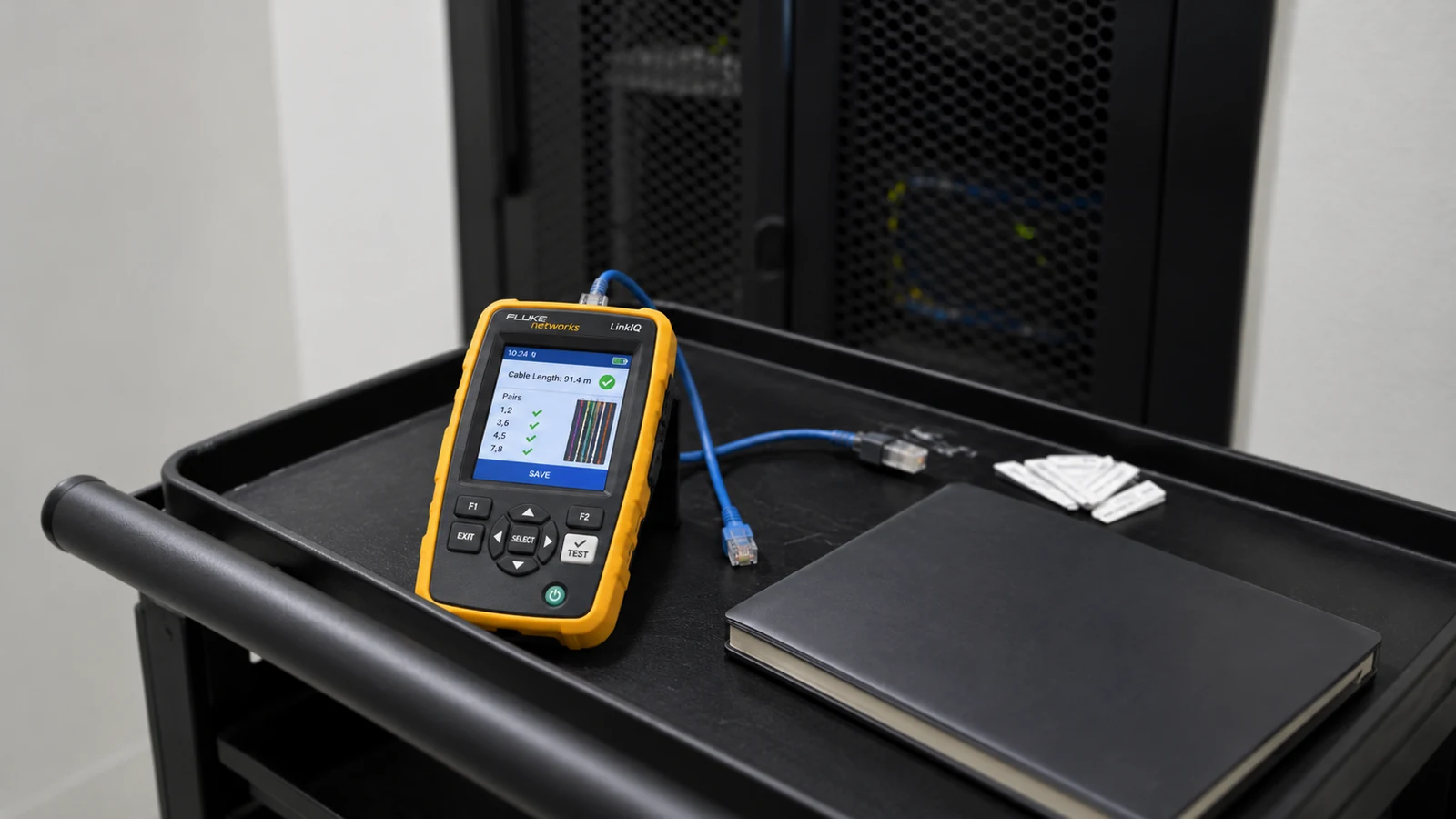
Coax, connectors, centralized power and Ethernet paths are tested before they are approved for continued use.
Closeout identifies each retained or replaced camera, its channel, signal path, power source and recording result.
Supported equipment can remain in service when testing and compatibility justify reuse; modernization follows the confirmed constraint.
PROJECT GUIDANCE
Commercial CCTV projects often begin with installed coax, powered analog cameras, a DVR nearing channel limits or a mixed system that cannot be replaced all at once. The first task is to identify formats, signal paths and recorder constraints. Data Pro Communications plans new and staged CCTV work around usable infrastructure, compatible channels, evidence needs and a migration sequence that keeps supported components in service where practical.
PLANNING RISKS
A DVR channel may accept one analog format but not another, producing no image or reduced capability after a camera swap.
Loose connectors, moisture, poor shielding or excessive loss can create rolling images, noise or intermittent signal.
A failing centralized supply can affect several cameras and be mistaken for multiple device failures.
DVR/NVR channel allocations, incoming bandwidth and licensing can constrain the analog/IP mix.
Changing recorders or camera groups without a cutover plan can create avoidable coverage gaps.
Existing coax or power may be physically present but unable to support the selected replacement architecture.
CAPABILITIES
Identify analog standards, IP models, recorder channels, power methods and supported resolutions.
Inspect signal paths, terminations, grounding concerns and cable condition before authorizing reuse.
Match cameras to supported inputs, channel allocations, codecs, licenses and storage resources.
Stage analog retention and IP additions around recorder capacity and network readiness.
Test local or centralized supplies and document loads before replacing cameras.
Confirm every migrated channel records, plays back, exports and retains the intended name and time settings.
PROPERTY APPLICATIONS
Move critical channels first while keeping compatible analog cameras online during phased replacement.
Explore Aging retail DVREvaluate long installed coax runs before deciding between encoders, hybrid recording or new Ethernet/fiber paths.
Explore Warehouse coax reuseCut over camera groups by floor or operating zone to limit disruption.
Explore Hospitality floor migrationBring mixed-generation recorders and naming conventions into a documented support model.
Explore Office portfolio standardizationAdd IP coverage while preserving usable analog perimeter cameras on a hybrid platform.
Explore Service yard expansionConsolidate account ownership, exports and channel maps after management or vendor changes.
Explore Managed property handoffTECHNICAL PLANNING
Record the format and resolution supported by each analog camera, recorder input and conversion device.
Test and inspect coax, connectors, baluns, power conductors and grounding rather than approving reuse from appearance alone.
Separate analog inputs, IP channel licenses and recorder incoming bandwidth so expansion remains within platform limits.
Group replacements by recorder, building area or operational priority and define rollback or temporary coverage needs.
Recalculate retention when higher-resolution IP streams or continuous recording are added to a hybrid recorder.
Document channel number, camera name, location, format, power source and retained cabling after cutover.
PROJECT GUIDANCE
Analog channels depend on compatible signal formats, power and DVR inputs, while IP additions depend on switching, addressing and recorder licenses. In a hybrid system, each path should be tested from the camera through its recording channel so a staged migration does not hide a format or interface mismatch.
EAST ORLANDO CONTEXT
Commercial sites near Waterford Lakes and the UCF area may combine dense customer traffic with shared networks and after-hours operations; the camera scope should respect IT ownership, access roles and practical work windows.
RELATED PATHS
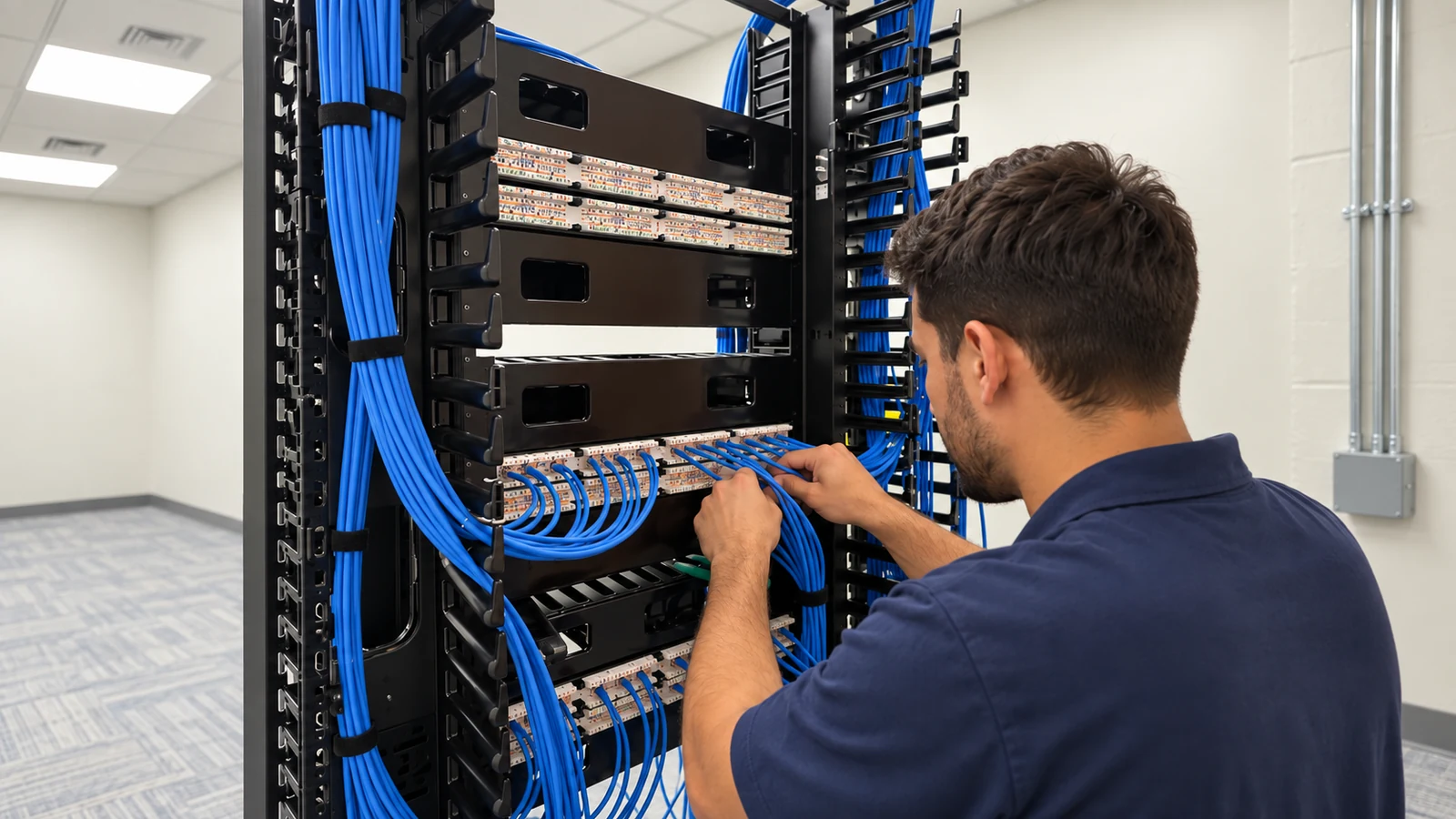
RELATED PATHS
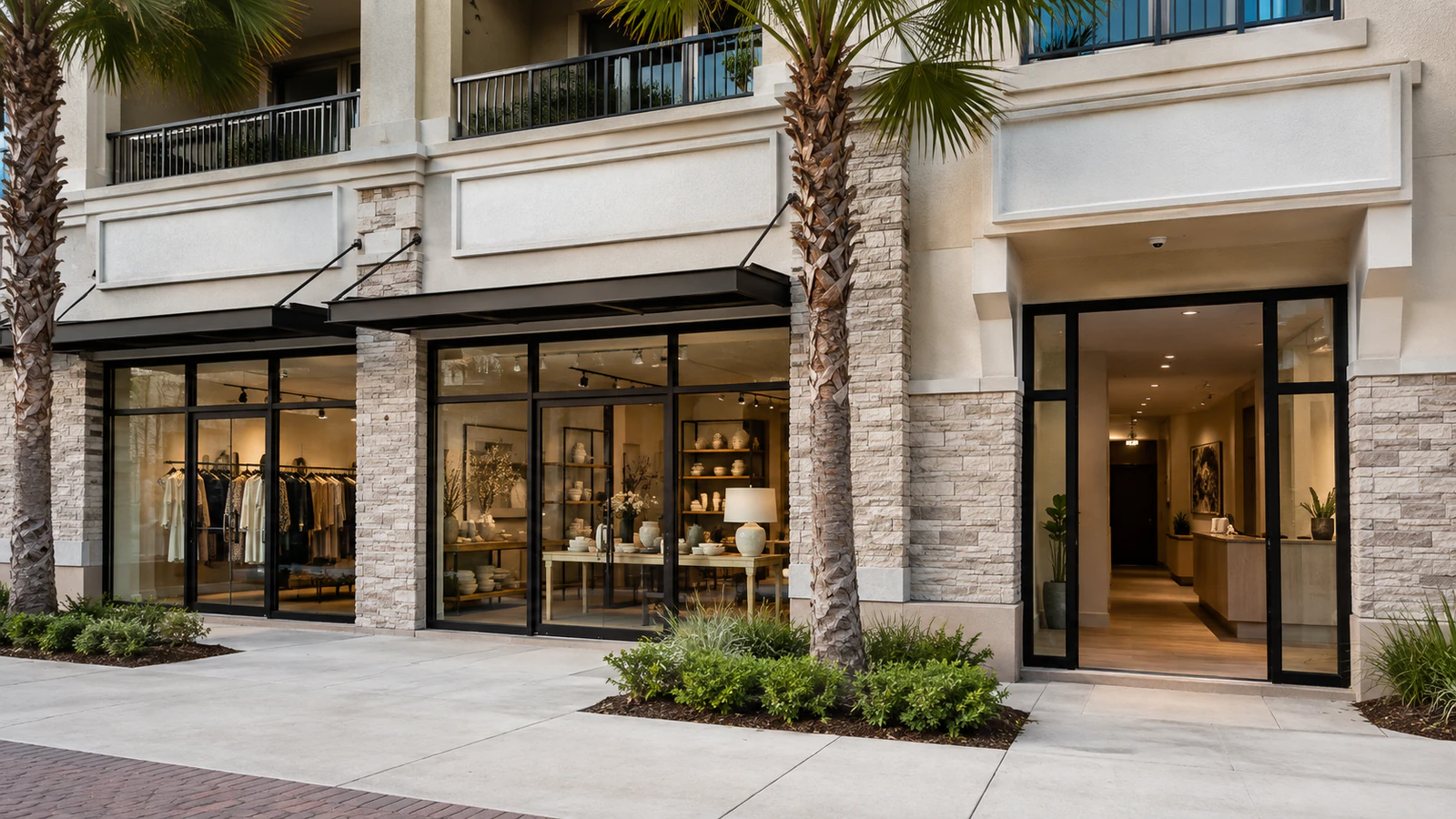
Installed coax and centralized power can make selective channel migration more practical than a single replacement event.
Explore Established Retail Properties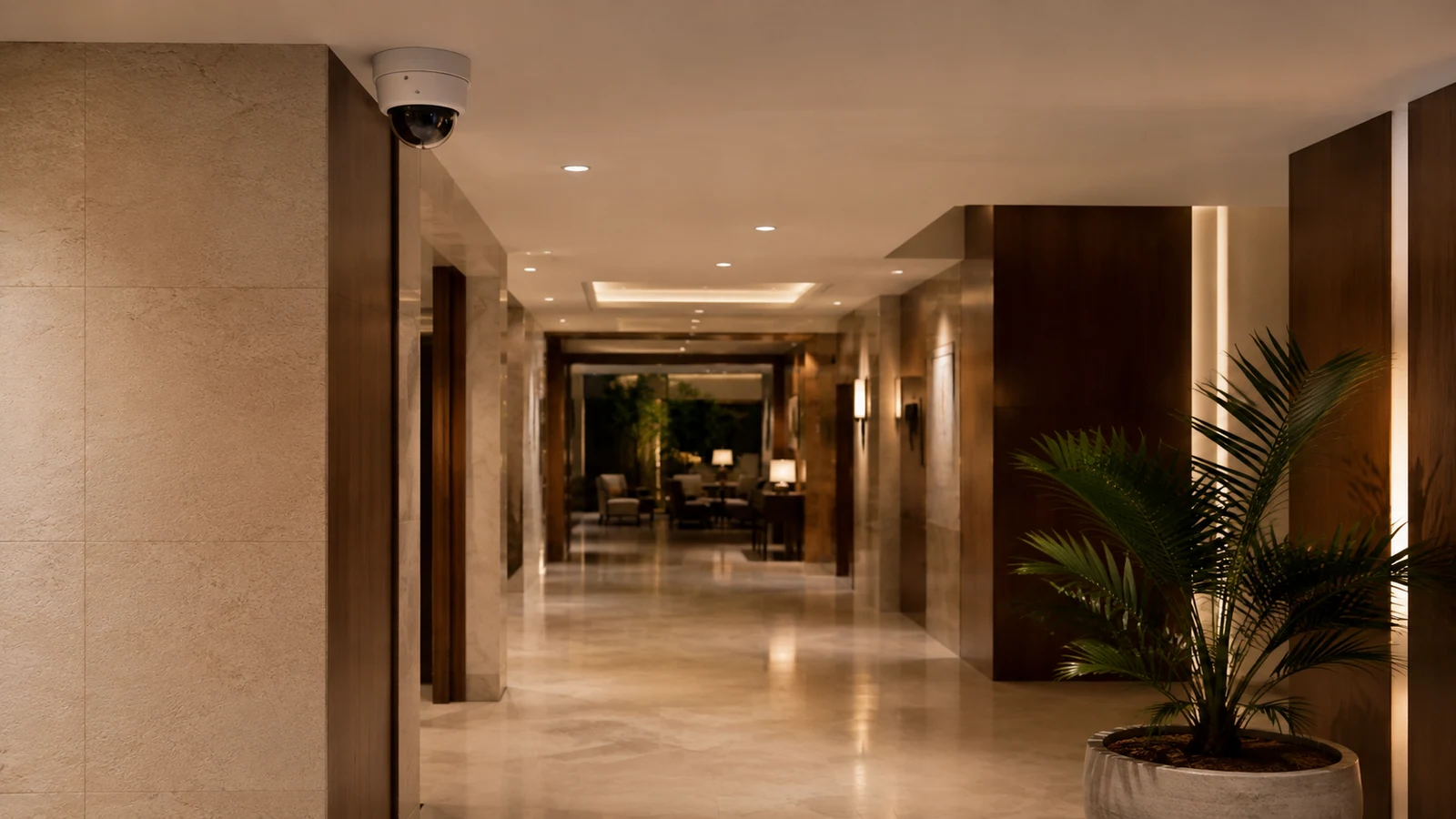
Analog and hybrid groups can be cut over by floor or operating zone to limit recording disruption.
Explore Hospitality Operations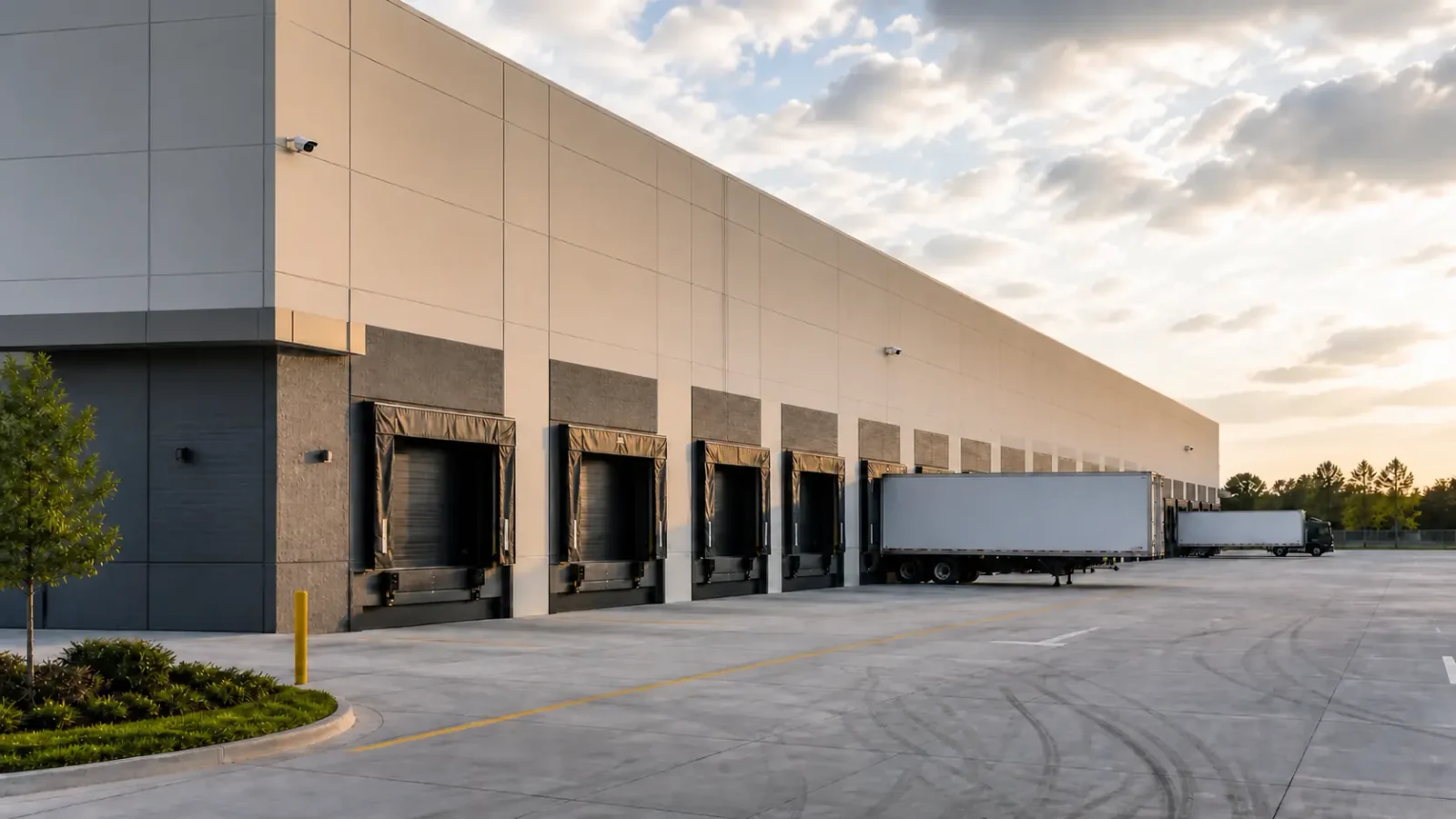
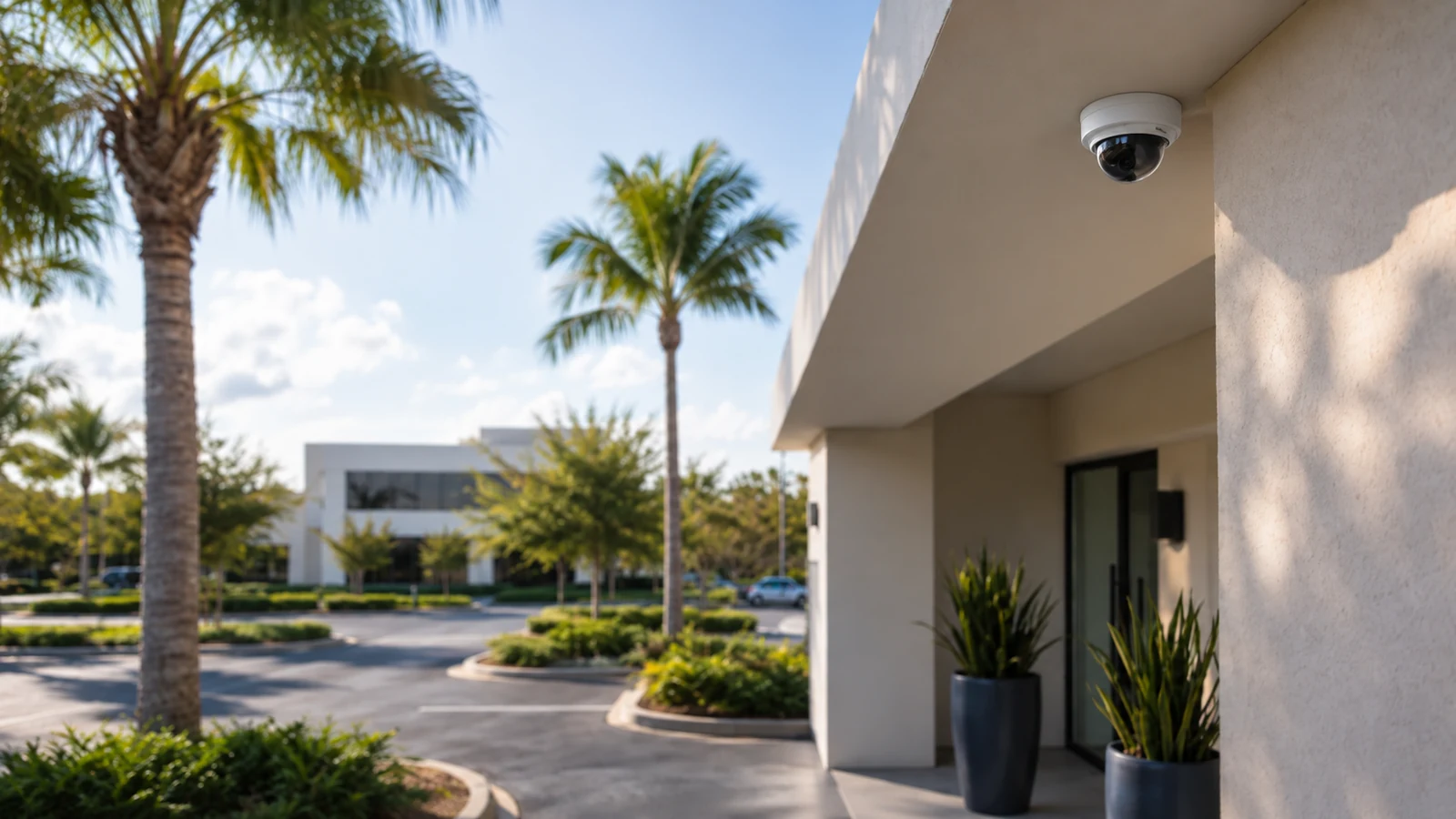
Long coax runs, exterior power and mixed camera generations require format and path testing before reuse.
Explore Industrial and Service SitesPROJECT PROCESS
Identify cameras, coax, power, encoders, DVR/NVR channels and support status.
Evaluate signal quality, cable condition, power stability and recorder compatibility.
Replace or add cameras and recording resources in a sequence that respects operating constraints.
Confirm live video, recording, playback, export, channel names and retained components.
LICENSED SUPPORT
Data Pro Communications operates under FL License #EC13016138. For commercial CCTV work, trust begins with knowing what the installed system can actually support. Analog formats, IP channels, recorders, coax, power and reusable infrastructure are checked before a retained-channel or phased migration decision is finalized.
FAQ
Possibly. Reuse depends on cable condition, connector quality, distance, interference, grounding and the selected signal or conversion method. Testing should precede the decision.
A DVR commonly records analog camera signals presented at its inputs, while an NVR records IP video streams delivered over a network. Hybrid platforms may support both within defined limits.
Yes, when the recorder or VMS supports the required analog formats, IP models, channel allocation, licensing and bandwidth.
The camera output format or resolution may not be supported by the recorder input. Power, connectors and cabling should also be tested before concluding the device is defective.
Damaged shielding, poor terminations, moisture, ground-potential issues, nearby electrical noise or failing power supplies can affect analog video.
No. Compatible cameras and serviceable cabling may remain while higher-priority views or unsupported components are migrated in phases.
IP additions can consume separate channel licenses, incoming bandwidth, decoding resources and storage. Those limits must be checked against the exact platform.
Only after its output, load, condition and protection are evaluated. Voltage at the camera under load matters more than the label on the supply.
Channels can be grouped by area or priority, with recording interruption and temporary coverage needs documented for each cutover window.
The closeout should identify camera and channel names, signal formats, power sources, retained cable paths, recorder settings, user access and playback/export test results.
Share the existing camera, recorder, coax and power conditions before selecting replacements. A CCTV assessment can identify compatible channels, reusable paths and a workable cutover sequence.