
Florida Licensed
Data Pro Communications operates under FL License #EC13016138 for low-voltage systems work.
SR 50 COMMERCIAL CAMERA COVERAGE
East Colonial Drive brings storefronts, offices and service businesses into a vehicle-heavy SR 50 setting. Useful video planning connects the customer approach, parking and delivery side instead of treating the entrance as the entire property.
East Colonial projects are built around customer and delivery activity. The technical scope connects storefront arrival review to rear delivery verification, then checks whether shared telecom conditions can support the selected views.
Data Pro Communications operates under FL License #EC13016138 for low-voltage systems work.
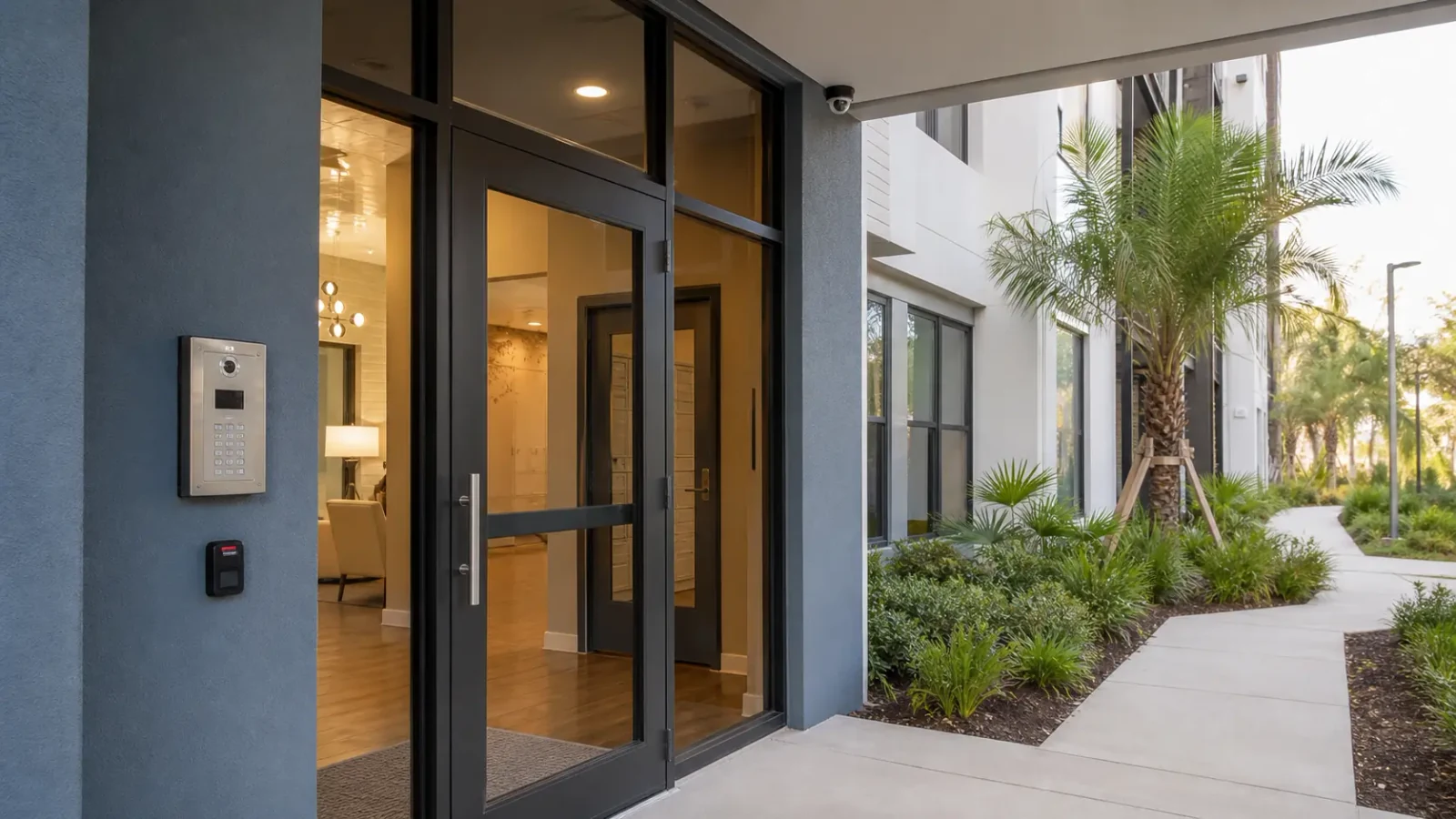
Storefront and reception cameras are planned around glass, exterior brightness and the way customers actually approach the property.
Vehicle direction, parked-car obstruction and lot lighting are treated separately from interior coverage.
Recorder and remote-view ownership are assigned to the correct business or property administrator rather than left ambiguous.
Work around public doors and customer circulation is staged so installation does not assume the site can simply close.
PROJECT GUIDANCE
The East Colonial corridor has its own mix of commercial property conditions. Camera coverage should be tied to actual movement, review needs and system ownership before mounting or cabling decisions are finalized. East Colonial Drive combines customer-facing storefronts, professional suites and service businesses where vehicle turnover and delivery activity can matter as much as the interior view. Camera placement has to account for road-facing brightness, parking approaches, rear access and the reality that upgrades may happen while the business remains open.
PLANNING RISKS
Strong exterior light behind a glass storefront can reduce facial detail unless the camera angle and exposure are checked from the intended view.
A row of vehicles can hide movement near the storefront; mounting height and view direction need to be chosen with normal parking conditions present.
A front-of-house camera cannot explain service-door activity when deliveries and vendors use a separate approach.
A suite may depend on a common telecom room or landlord pathway that requires coordination before new cable or PoE equipment is installed.
Mounting and ceiling work near customer areas may need to be split into smaller windows rather than performed as one continuous install.
Managers may need playback while IT controls network credentials; the project should not blur those responsibilities.
CAPABILITIES
Position and configure the view so the entrance remains useful when outdoor brightness differs sharply from the interior.
Use parking circulation and driveway direction to decide which exterior views provide context before a vehicle reaches the storefront.
Treat customer arrival, deliveries and staff/service access as different review questions instead of one generic perimeter view.
Confirm how the suite reaches its switch or recorder and whether that path is tenant-owned, landlord-owned or shared.
Break installation into public-area and back-of-house tasks so access to the business is maintained where the property requires it.
Review the recorded storefront, parking and delivery scenes with the person who will actually retrieve footage.
PROPERTY APPLICATIONS
A front camera can combine the doorway with enough exterior approach to show how a customer reached the entrance instead of capturing only the threshold.
Exterior coverage can favor driveway and lane movement when that context is more useful than trying to read every parked position.
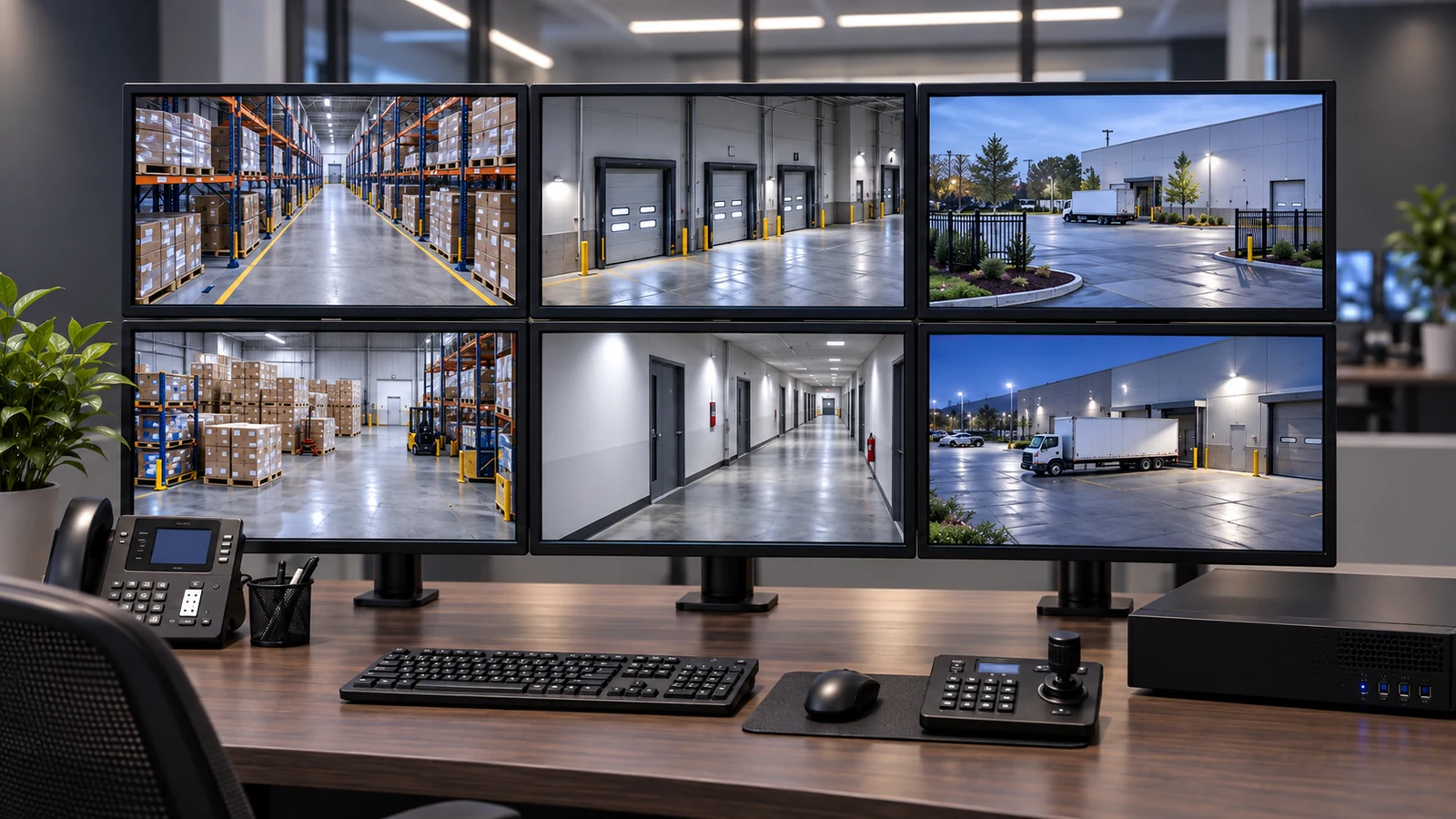
A service-side view can document deliveries and vendor access without forcing the front camera to cover an unrelated part of the property.
Reception coverage can focus on public arrival and circulation while avoiding private office areas that do not belong in the camera objective.
Each business can receive the permissions it needs without automatically inheriting access to shared property cameras.
Additional cameras are added only after channel, storage and network capacity are checked against the active system.
TECHNICAL PLANNING
Evaluate the actual glass, sunlight direction and interior lighting from the proposed camera position rather than selecting settings from a specification sheet.
Mounting height, lens choice and parked vehicles are considered together so the camera sees the movement path that matters.
Identify patching, PoE and ownership in common rooms before new cabling crosses a landlord or shared-building boundary.
Storage targets should reflect the recording mode and the time window the business actually needs to search, review and export.
Credentials and permissions are organized so a tenant change does not compromise shared cameras or leave the owner locked out.
Cable pulls, ladder work and device cutovers are sequenced around customer access instead of being treated as an afterthought.
PROJECT GUIDANCE
East Colonial projects can involve a tenant recorder, landlord telecom space and shared building network paths at the same address. The camera design should state where each responsibility begins and ends, particularly when access control, PoE switching or remote viewing depends on equipment outside the tenant suite.
EAST ORLANDO CONTEXT
East Colonial is treated as an SR 50 corridor context. The local distinction comes from customer-facing commercial operations, vehicle turnover, deliveries and the challenge of upgrading cameras while storefronts and professional offices remain active.
RELATED PATHS
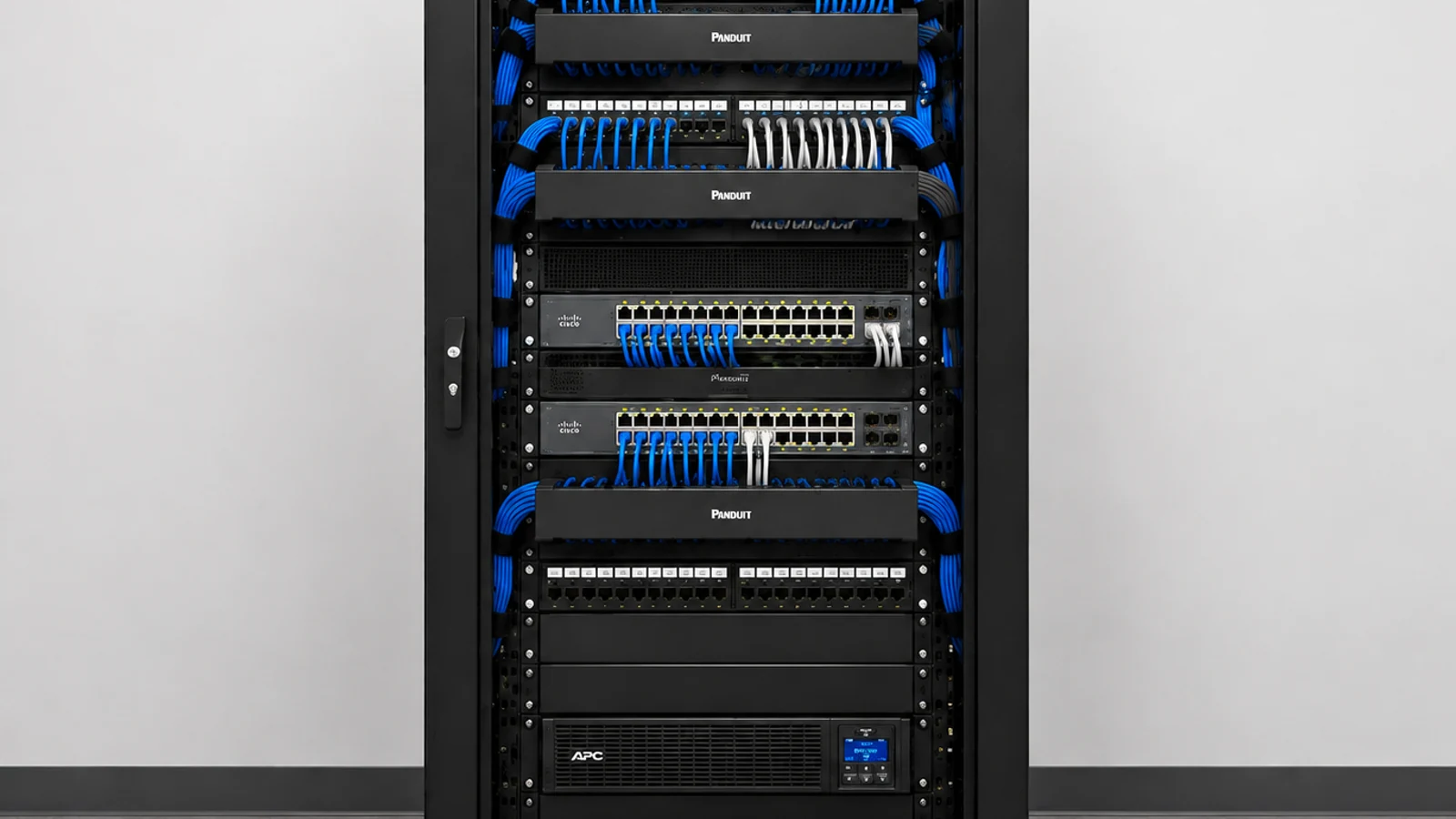
Busy customer-facing sites need reliable playback and export workflows for authorized staff.
View NVR & Remote Viewing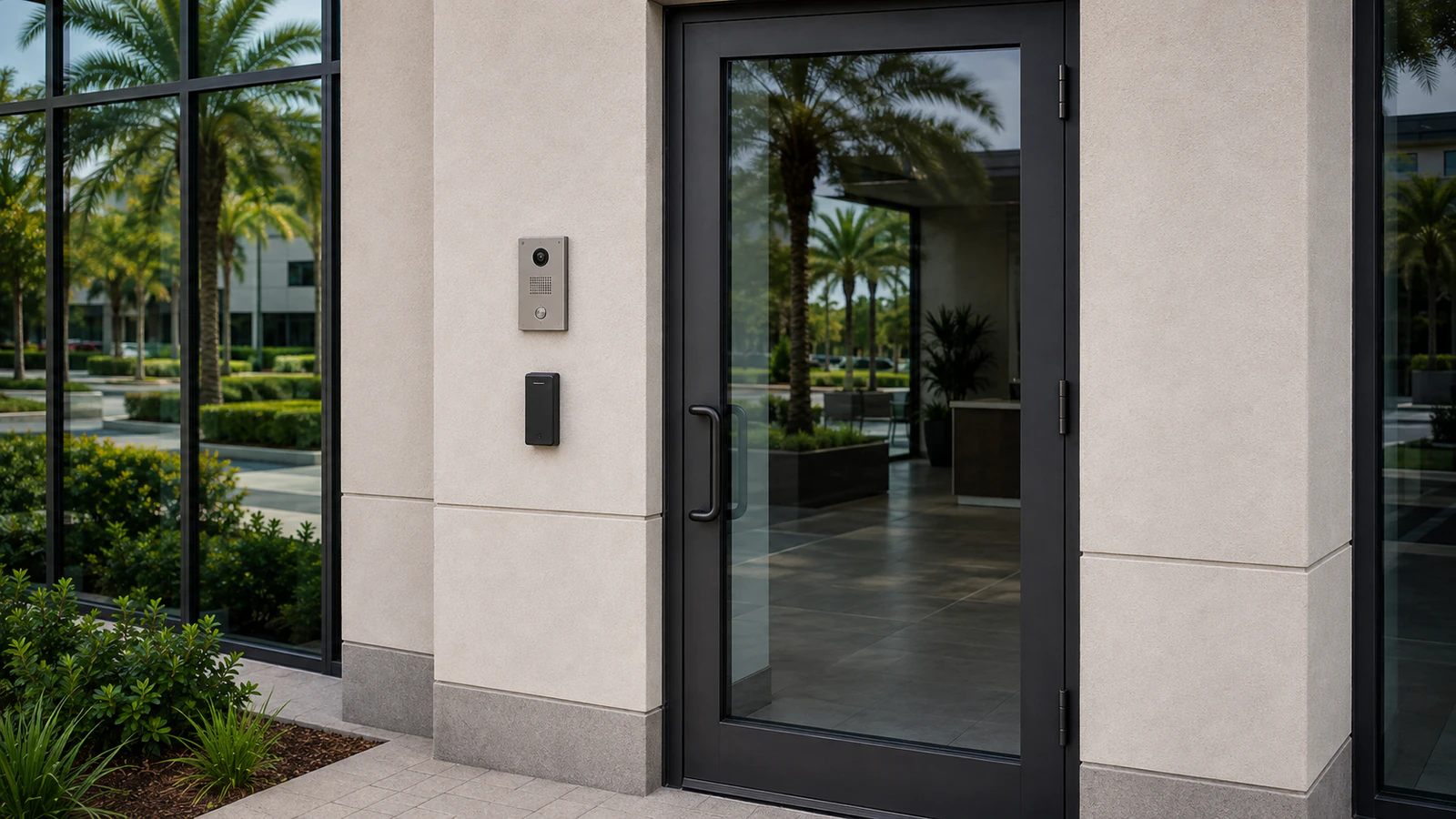
Staff and delivery doors may benefit from coordinated door-event and camera context.
View Access Control Systems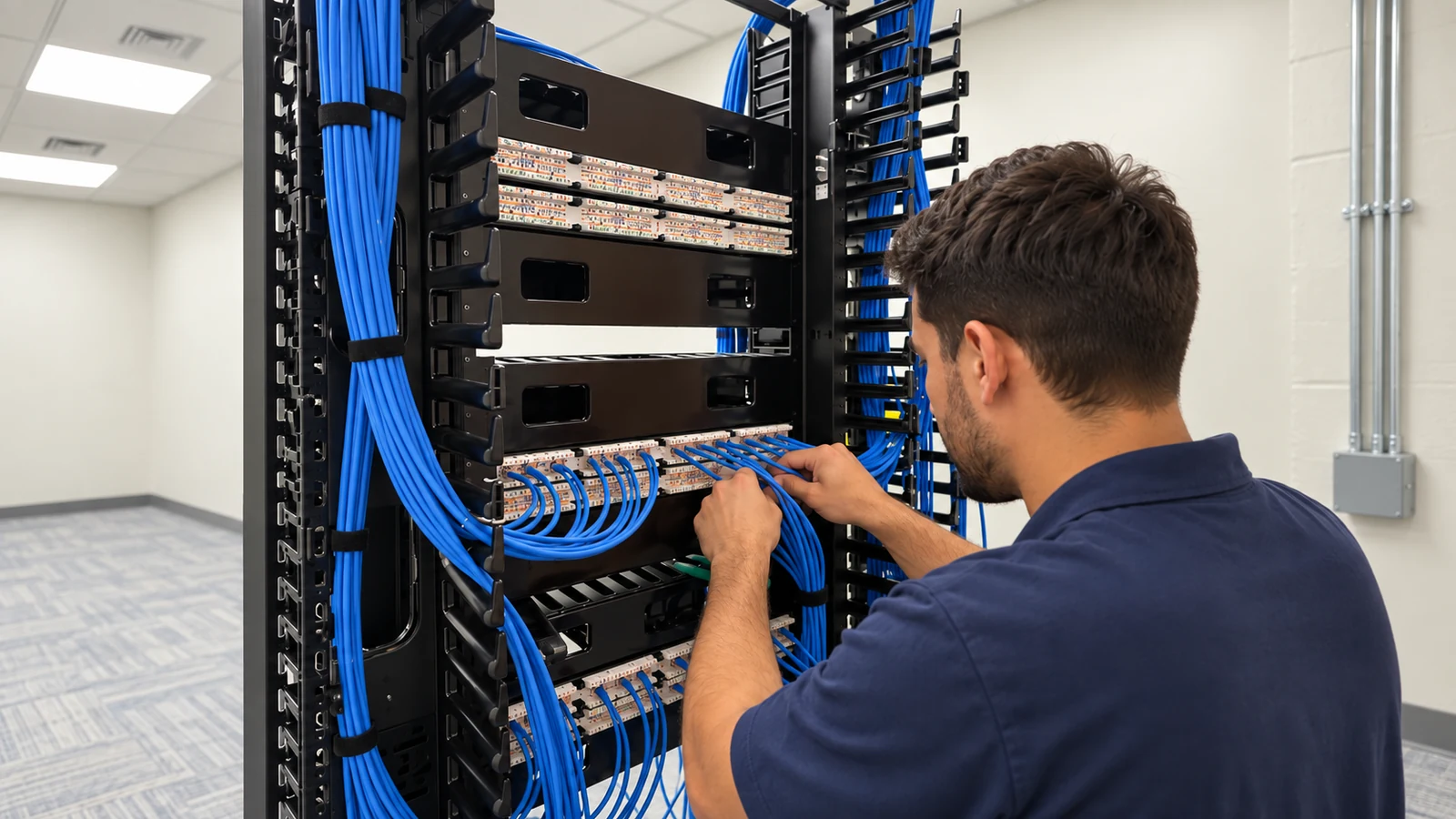
IP expansions can require PoE or uplink changes in a shared commercial telecom environment.
View Network SolutionsRELATED PATHS
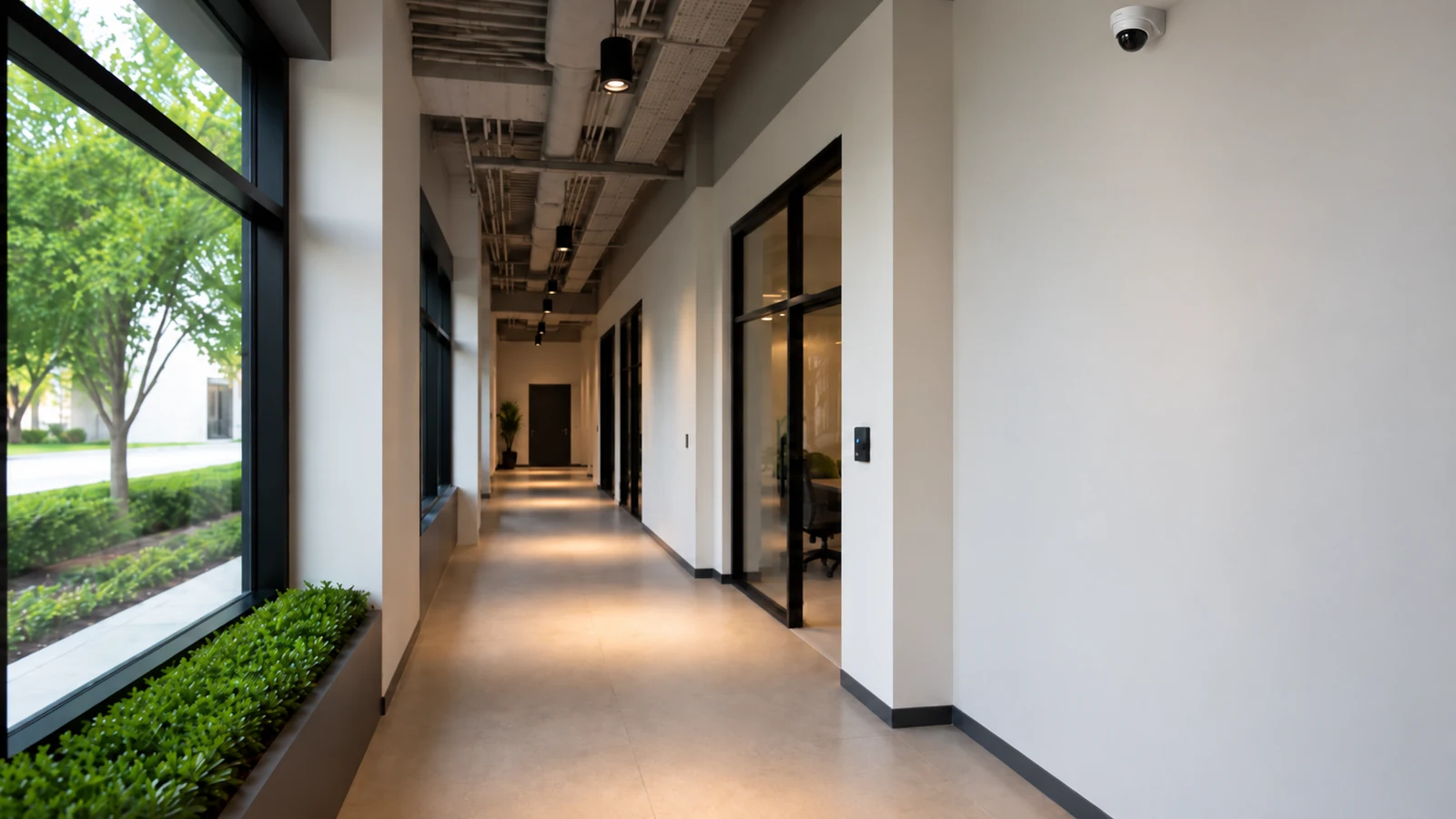
Goldenrod provides a different SR 50-area comparison, shaped by mixed-age buildings, rear service access, parking approaches and existing telecom constraints.
Explore Goldenrod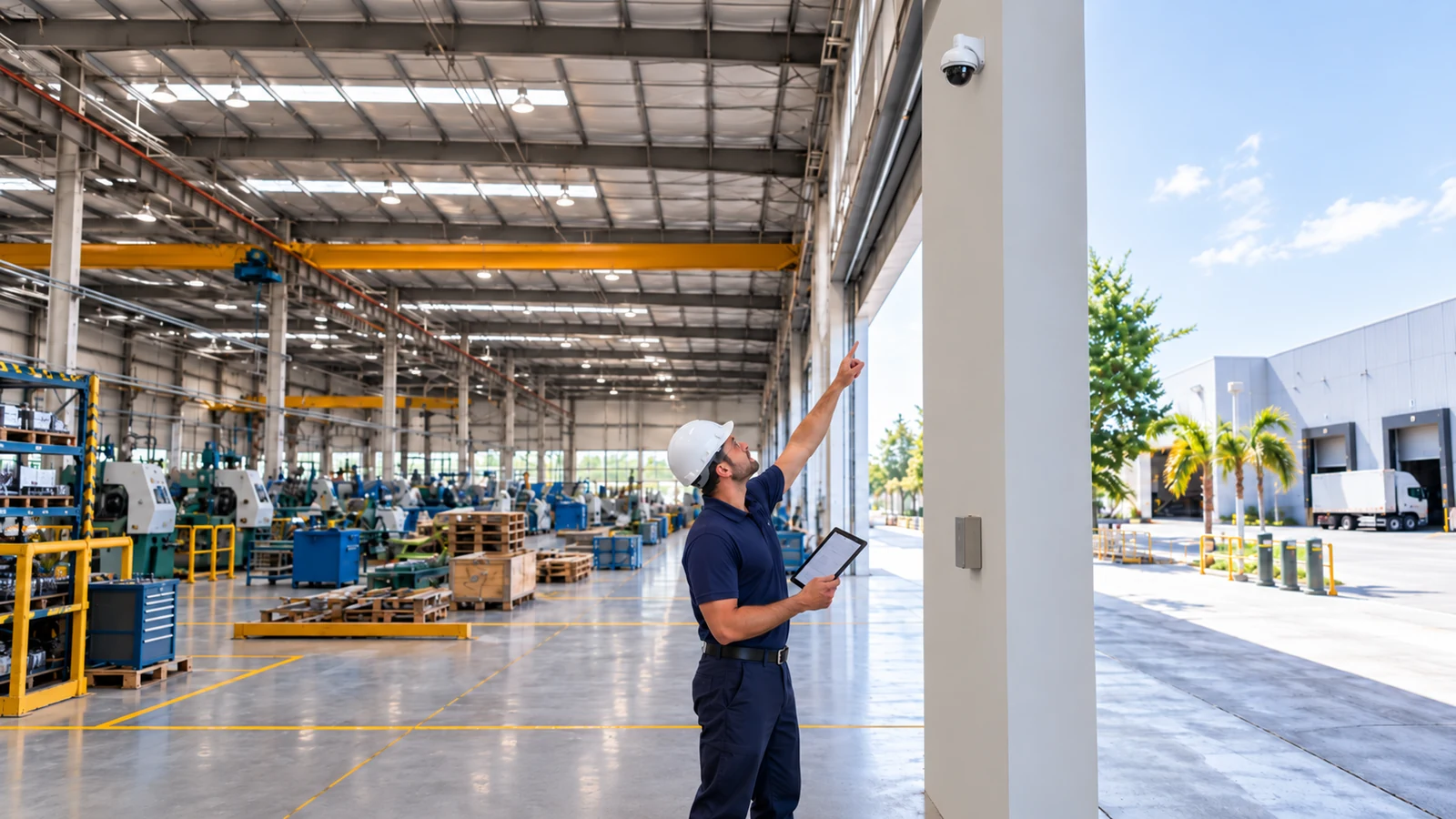
A property may resemble Waterford Lakes when customer-facing operations, parking, service or delivery activity, tenant administration and existing-system expansion intersect.
Explore Waterford Lakes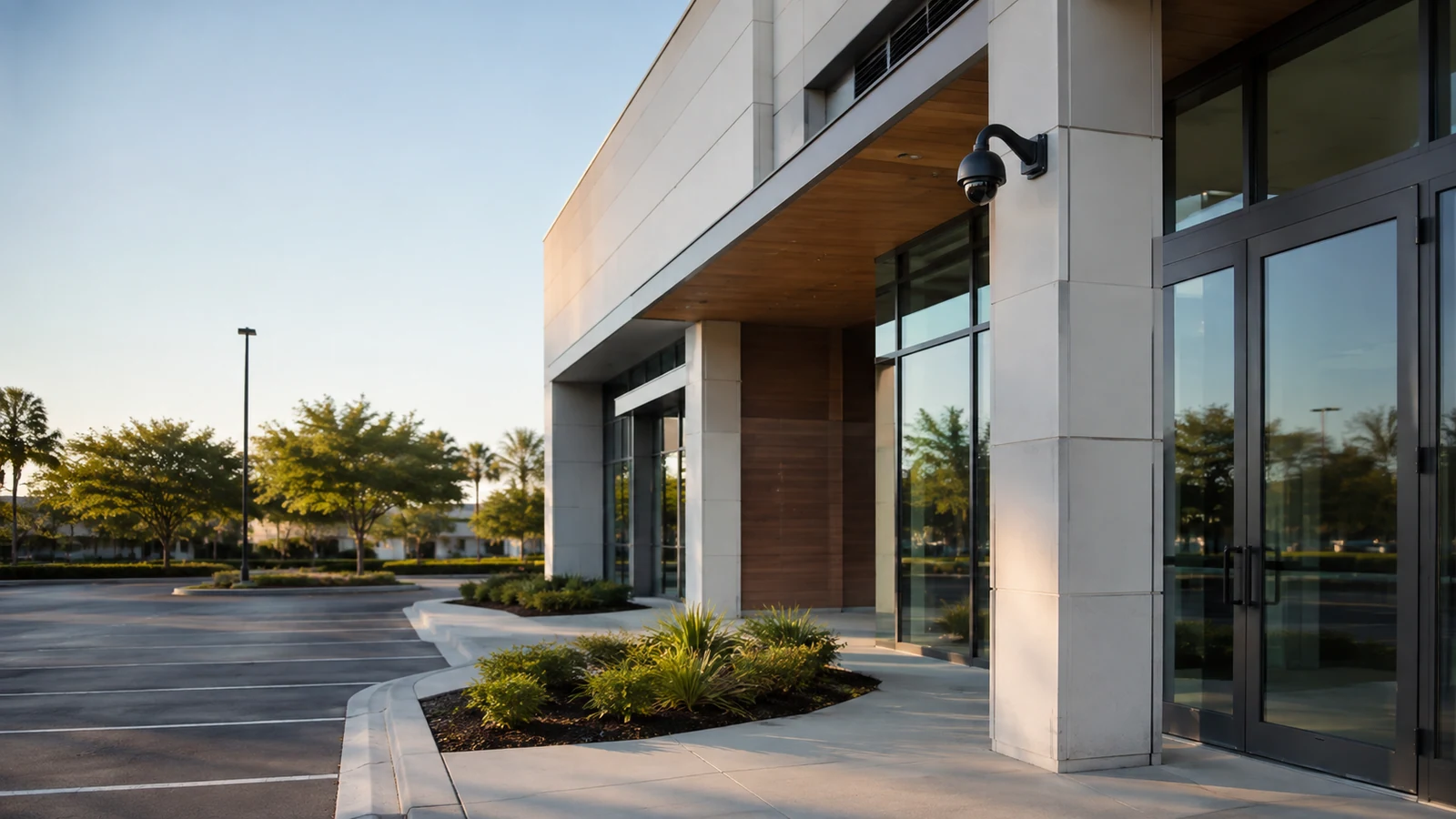
The UCF Area route is more appropriate when its university-area commercial context, high tenant or user turnover, managed common areas, and clear non-affiliation boundaries outweigh East Colonial’s storefront and vehicle pattern.
Explore UCF AreaPROJECT PROCESS
Review customer arrival, parking, deliveries and the existing recording environment before deciding camera count.
Set the view strategy for glass and vehicle approaches while confirming the telecom path that can support it.
Place disruptive entrance or ceiling work into approved windows and keep back-of-house tasks separate where useful.
Check storefront, parking and service-side playback with the authorized business or property representative before closeout.
LICENSED SUPPORT
Data Pro Communications operates under FL License #EC13016138. East Colonial scopes identify the camera work, the serving infrastructure and the access windows needed to complete the project around an operating commercial property.
FAQ
Test the view with real exterior and interior light changes. Placement and exposure settings should preserve useful arrival context without assuming one daytime setting works all evening.
Sometimes, but overview and detail goals can conflict. Separate scenes may be better when both traffic context and closer review matter.
Look at delivery path, service-door position, lighting, parked vehicles and whether the rear camera is connected to the same usable recording workflow as the front.
Not necessarily. Property-managed common cameras and tenant-controlled cameras can have different owners and permissions, even if they share infrastructure.
Plan mounting, lifts, ceiling work and brief device outages around business hours and alternate access. The survey should identify work that cannot safely occur during peak activity.
Available PoE, switch ports, uplink capacity, rack space and administrative access can all set a practical limit before recorder capacity does.
Only if one view genuinely meets both objectives. A transaction context often needs a different framing from wide circulation coverage.
Review representative live and recorded scenes, night conditions, playback, export and the account used for normal management.
Yes when it can be identified, tested and confirmed suitable for the selected device and distance. Unknown or damaged runs should not be accepted just because they are already in the ceiling.
Rear access typically has different lighting, vehicle proximity, operating hours and staff workflow, so the scene should be designed for that activity rather than copied from the front.
Provide the East Colonial customer entrance, parking and delivery concerns together with the existing recorder or network information for a corridor-focused site review.